|
KAFUE
NATIONAL
PARK

Kafue is Zambias oldest park and by far the largest. It was proclaimed in
1950 and is spread over 22 400 square kilometres - the second largest national park in the
world and about the size of Wales.
Despite the Parks proximity to both
Lusaka and the Copperbelt, it has remained underdeveloped until the most recent years.
Despite the depravations of poaching and lack of management, the Park is still a raw and
diverse slice of African wilderness with excellent game viewing, birdwatching and fishing
opportunities.

From the astounding
Busanga Plains in the
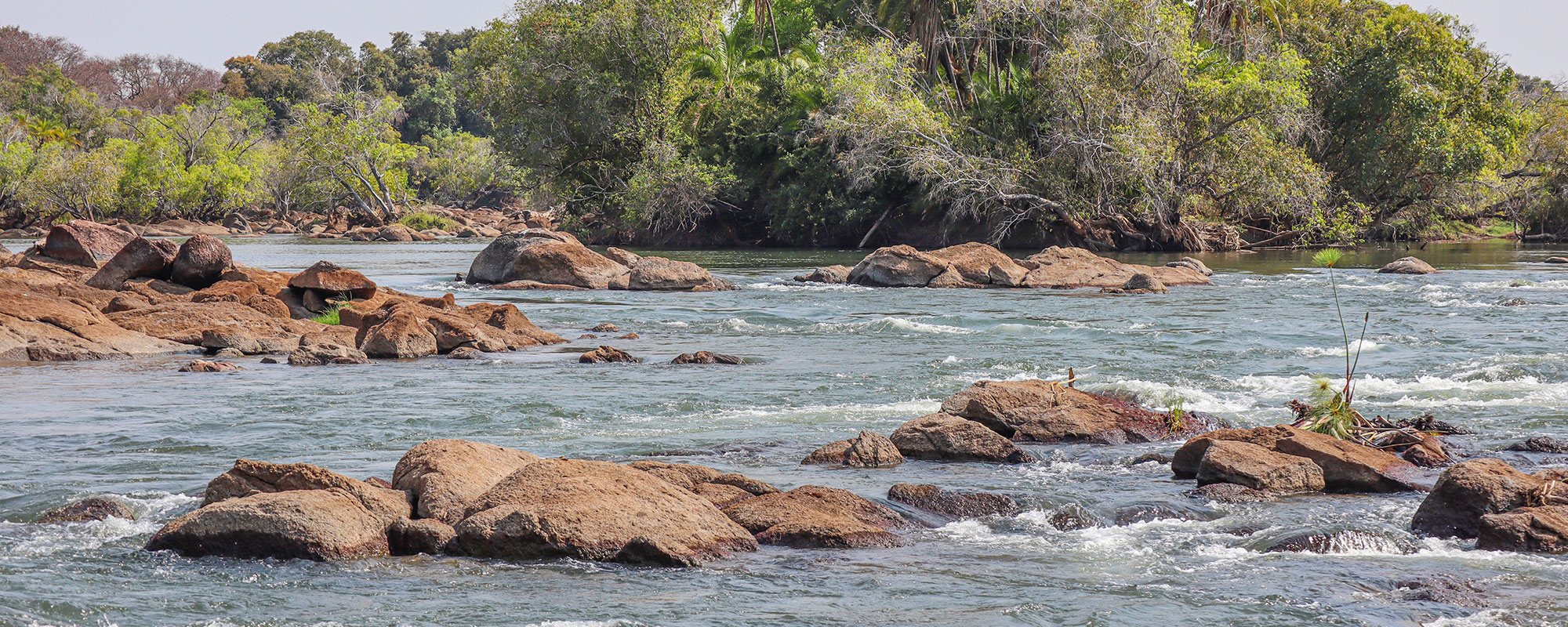
North-western section of the Park to the tree-choked wilderness and the lush dambos of the
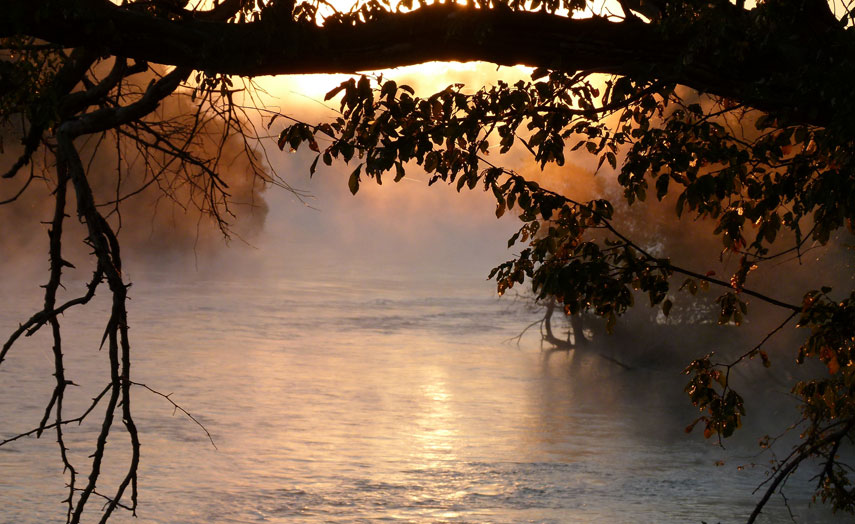
south., fed by the emerald green Lunga, Lufupa and Kafue Rivers, the park sustains huge
herds of a great diversity of wildlife. From the thousands of red lechwe on the Plains,
the ubiquitous puku, the stately sable and roan antelopes in the woodland to the
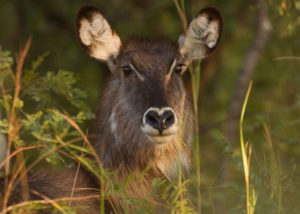
diminutive oribi and duiker. The solid-rumped defassa waterbuck, herds of tsessebe,
hartebeest, zebra and buffalo make for a full menu of antelope.

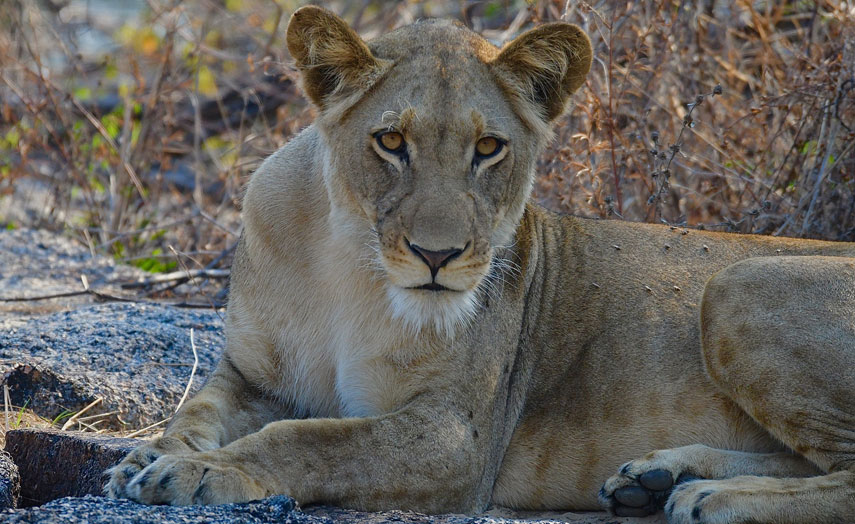
Large prides of
lion,
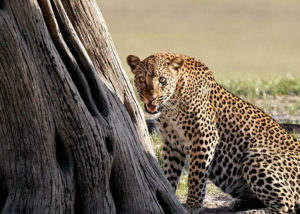
solitary
leopards and
cheetahs are the prime predators.
There is a host of
smaller carnivores from the
side-striped jackal, civet, genet and various
mongoose.
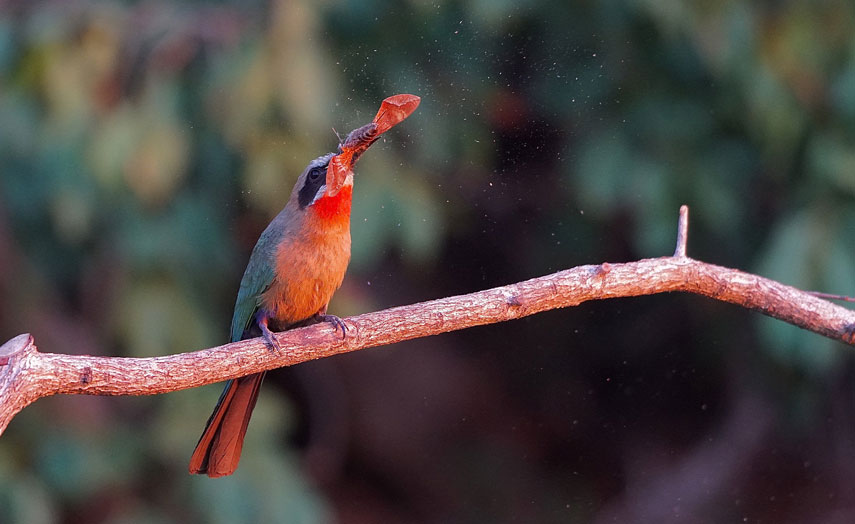
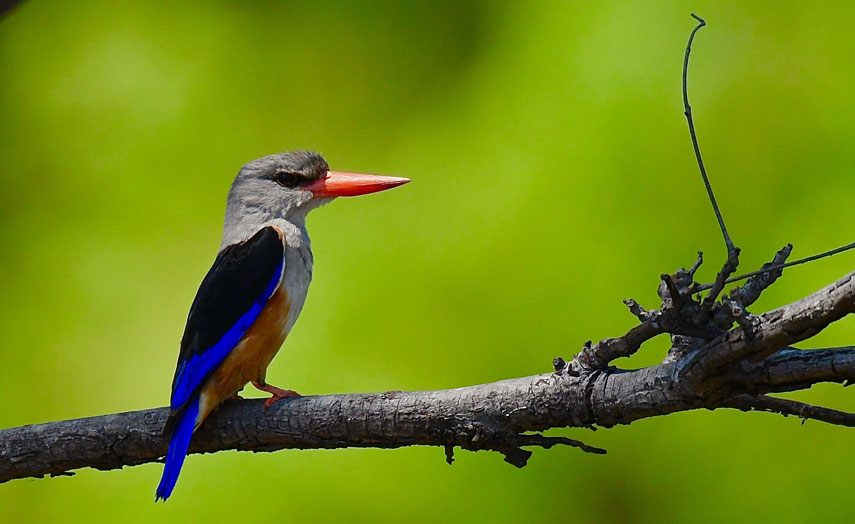
Birdwatching - especially on the rivers and the dambos is
superb. Notables include the wattled crane, purple crested loerie and Pels fishing
owl. Over 400 species of birds have been recorded throughout the park.
The Kafue and Lunga Rivers offer
superb fishing opportunities,
especially good bream, barbel and fresh water pike. Most lodges have fishing tackle, rods,
boats and bait available. Musungwa Lodge in the south, hosts an annual fishing competition
in September on Lake Itezhi Tezhi.

What
to See
Spread over such a vast area, the Kafue National Park
encompasses a variety of landscapes.
The spectacular Busanga Plains in the north is a
vast flat expanse that stretches in all directions as far as the eye can see - one of
Zambias most significant wetland resources and one of the few untouched by
development or human activity. This vast watery wilderness, flooded in the wet season by
several rivers and streams covers an enormous 750 square kilometres. It drains into the
Lufupa River, a tributary of the Kafue River. The floods reach their height from March to
May, after the rains and large herds of
hippo are
stranded in the shallow pools left as the water recedes in the dry season.

The lush grasslands are grazed by red
lechwe in their thousands. Fifty years ago, lechwe were almost extinct in this
area. The establishment of the national park has seen a phenomenal recovery in their
numbers and it is a sight of great beauty to see them wandering in such vast herds across
the golden plains. During the wet season they splash about in the shallow waters, and,
interestingly enough,
lion, who usually dislike water,
can be seen chasing them through water at least a half a meter deep.
Other antelope found here are blue wildebeest,
Lichtenstein's hartebeest, (frequently seen)
buffalo,
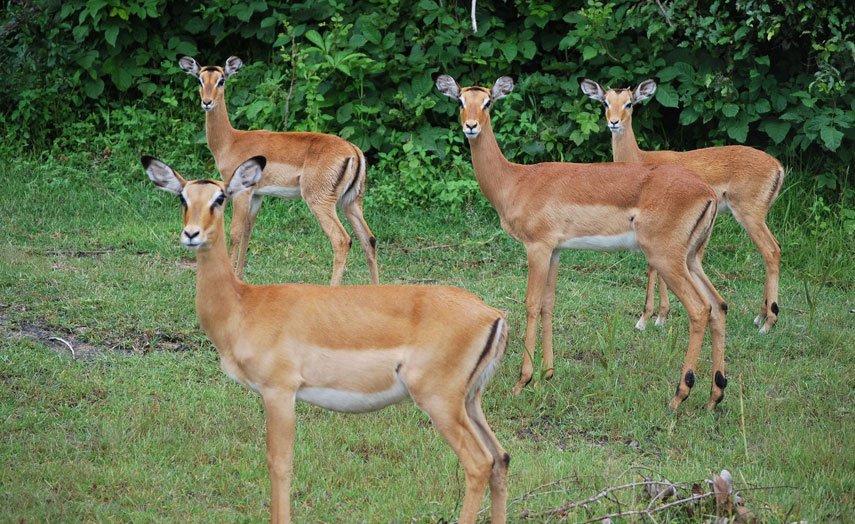
zebra, reedbuck, oribi, puku and impala (frequently
seen) . Bushpig and warthog are also inhabitants of the plains. The shy
swamp-dwelling sitatunga is found here, its widespread hooves enabling it to walk on the
floating reedmats.Roan antelope are seen regularly in the
northern sector as well as big herds of sable 30-40 strong.
The wealth of game on the plains are a big attraction for
lions and prides of up to twenty are spotted regularly.
Cheetah and
Leopard also roam the plains, the cheetah
being able to exercise their famous turn of speed, reaching up to 125 kilometres an hour.
They are often seen on the plains.
Quote from one of the Game Guides in Kafue:
"We have been having some incredible sightings over
the last few weeks: a brand new wildebeest calf trying to gain its feet for
the first time, going straight for the nipple and then being blown over by
the wind; mating lions with all the grimacing, lip curling, teeth baring,
ear biting and to round it off, strange noises; a pair of cheetah on a
termite mound, completely relaxed and then ten of the hugest crocodiles
resting their ugly snouts on a Kudu bull one of them must have pulled into
the water - a truly sobering sight!"
The
Itezhi
Tezhi
dam ....

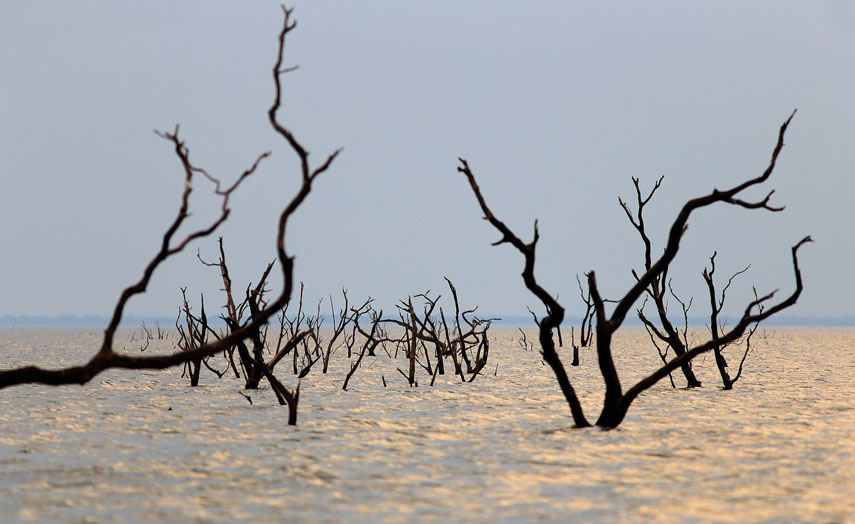
In the south the Kafue runs into the Itezhi Tezhi Dam
covering an area of 370 square kilometres. This vast inland sea is surrounded in parts by
grassy plains, often mowed by hippos. Rocky bays and stretches of submerged
trees provide perfect perches for the many waterbirds inhabiting the area - fish
eagles, cormorants, spoonbills and the stately goliath Heron.
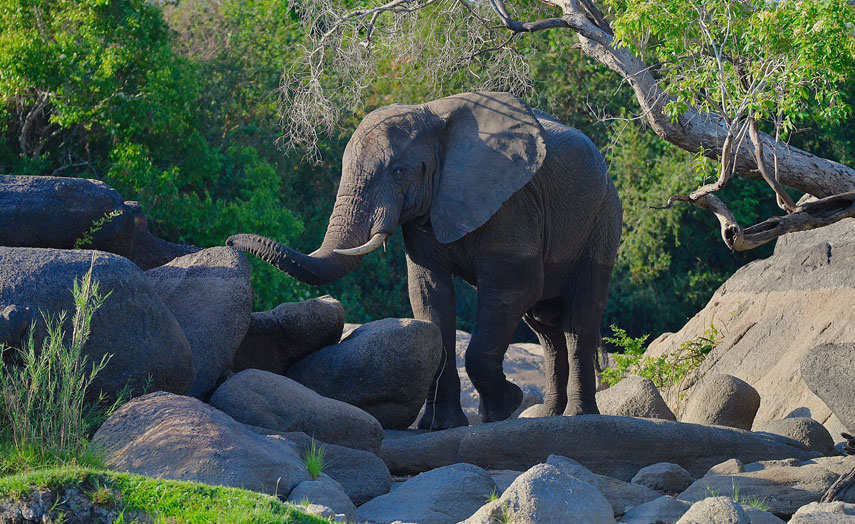
Elephant. buffalo, zebra and wildebeest
frequent the dam. Itezhi is also an angling paradise and home to an annual fishing
competition.
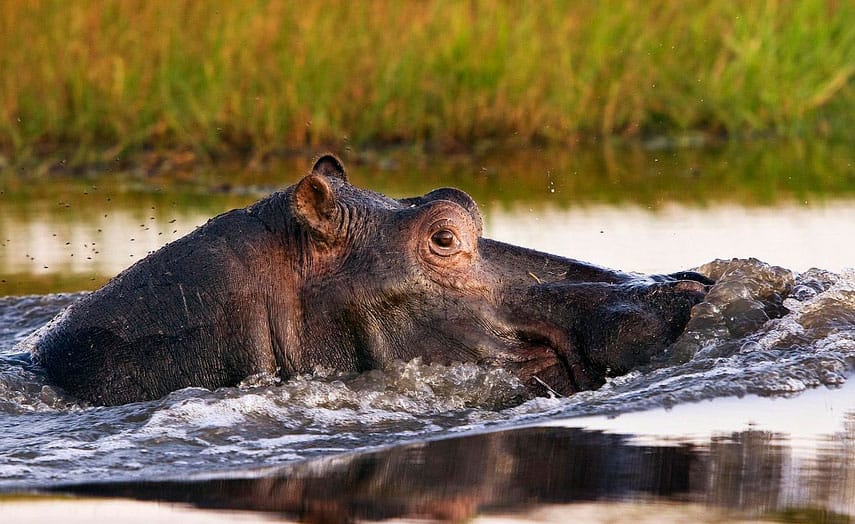
The waters of the Kafue River are home to
large numbers of hippopotamus, crocodiles and water
monitors.
Other species found in the Park include the rare and
secretive yellow-backed duiker, common duiker, kudu, grysbok, warthog, bushpig,
serval, hyena, jackal, baboon, vervet monkey, porcupine, civet, genet and many
species of mongoose.
Unusual features are the knobbly termite mounds scattered
across the plains. There are teak forests, large numbers of the striking
candelabra tree, and many large black boulders often looking deceptively like
a herd of elephant. Much of the park is covered by Miombo Woodland opening out
into large grassy dambos. Hartebeest, wildebeest, buffalo and
zebra are often found frequenting these areas
When
to go
Game is best sighted in the dry season from April to
October, but the beauty of the park is at its best after the rains in the first half of
the year. Many of the parks internal roads are inaccessible between November and April.
Getting
there
The roads are not well graded and the Park is best visited
by air charter or robust four
wheel drives. There are light aircraft airstrips at Ngoma, Puku Pan, Chunga, Hippo, Moshi
and Lunga camps.
By Vehicle, Kafue can be reached from all
four sides of the country.
From Lusaka take the road to Mumbwa, about 60
kilometres of which is due for resurfacing. If planning to visit the northern camps
such as Hippo Camp, Mc Brides or Lunga Cabins, take the northern road out of
Mumbwa. A 4WD is recommended on this route.
To reach the southern section of the park, continue
through Mumbwa on the main road. Sixty six kilometres from Mumbwa is a left turning to
Itezhi Tezhi Dam and the southern lodges. This previously appalling, once tar road has
recently been graded back to gravel and is a lot better. It still requires a strong
vehicle, although not necessarily a 4WD.
To reach the Busanga plains and nearby camps, take
the road that goes through the park until you reach the Kafue River Bridge, shortly after
the bridge is a gate on the northern side. This leads to Kafwala and Lufupa camps. There
is no private camping allowed in the Busanga area. One must access the plains through an
operator. Its very easy to get lost here. Lufupa
and Chunga are accessible without a four wheel drive in the dry season only. But 4x4 power
is necessary for most other areas. Note that the road indicated on the map from Chunga to
Ngoma on the left side of the River, clearly indicated on all maps, is no longer in
existence and should not be attempted under any circumstance.
From the west, take the Mongu-Lusaka road which
dissects the park.
From the north, coming from the Copperbelt , take
the road to Solwezi and then to Kasempa. (It may be useful to note there is a very good
hospital at Kasempa). From here, a reasonable graded track for 98 kilometres will take you
to the Lunga Pontoon. To reach the northern Kafue gate, take the left turning 16 km before
the pontoon.
From Livingstone travel to Kalomo on the road to
Lusaka and turn left, shortly after this take a left turn towards Ndumdumwense gate at the
southern edge of the park.
Safari Operators running safaris to Kafue are
Karibu
Safari,
Chundukwa Adventures
and
Chachacha Safaris
which offers budget trips.
|