Explore Zambia's most
            comprehensive Travel Guide


HOME

.
  HIGHLIGHTS
   Victoria Falls
   The Zambezi River
 
   Lake Kariba  
   Lake Tanganyika  
  
More...

  GAME PARKS
   South Luangwa
   North Luangwa
   Lower Zambezi
   Kafue 

   Lochinvar
   Sioma Ngwezi
   Kasanka
   More ....

 SAFARIS
    Walking Safaris
 
 Birding Safaris
   
Canoeing Safaris
 
 Mobile Safaris
   
Elephant Back Safaris
  
Horse Back Safaris
  
Photographic Safaris
 
 Open Vehicle Safaris

  ADVENTURE /SPORT
   
White Water Rafting
    Bungi Jumping
    River Boarding
  
 Tandem Kayaking
   
Abseiling
   
Gorge Swinging
   
House Boating
    Tiger and Fly
Fishing
   
Lion Walks
   
Elephant back Trails
    Driving around

  CITIES & TOWNS
    Lusaka
 
 Livingstone  
  
The Copperbelt  
 
 More

  DIRECTORY
    Accommodation
   
Adventures
    Embassies
    Golf Courses
   
Govt Offices
    Private Reserves
    Restaurants-Lusaka
    Safari Operators

    Transportation
    Tours
    Travel Agents
     

  TRAVEL INFO
  
Quick Facts
  
Getting There
   
Getting Around
   Handy Information
  
Visa Info  
 
  WILDLIFE

  
 Illustrated Checklists

  BIRDLIFE
  
 
In depth synopsis
   
Checklists

 PEOPLE
   History
  
Culture
  
Major Tribes
  
Ceremonies 


  ENVIRONMENT
   Geography
  
Vegetation
  
Conservation
 

  MAPS
  PHOTO GALLERIES
  VIDEOS
  TOUR & SAFARI Co's
  LINKS
  ENQUIRIES

  ADVERTISING


TOURS & SAFARIS
Book accommodation
 or a guided tour
anywhere in Zambia


See Some Beautiful Photographs of South Luangwa
by professional photographer
Marie-France Grenouillet
PLANET STILL ALIVE


SOUTH LUANGWA
        N
ATIONAL PARK


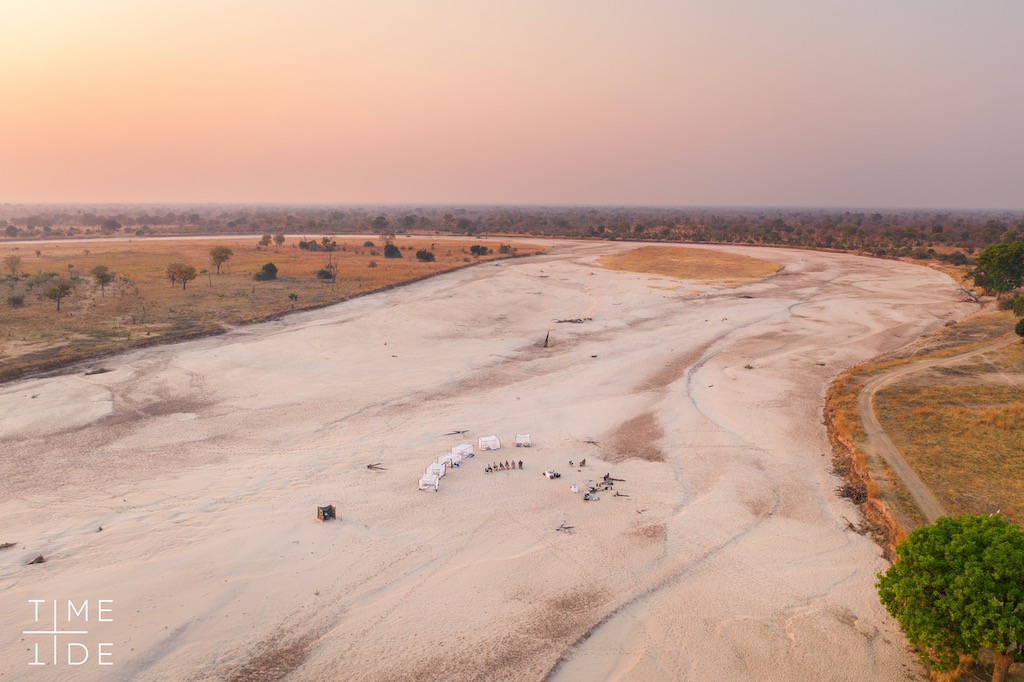
Experts have dubbed South Luangwa as one of the greatest wildlife sanctuaries in the world, and not without reason. The concentration of game around the Luangwa river and it’s ox bow lagoons is among the most intense in Africa.

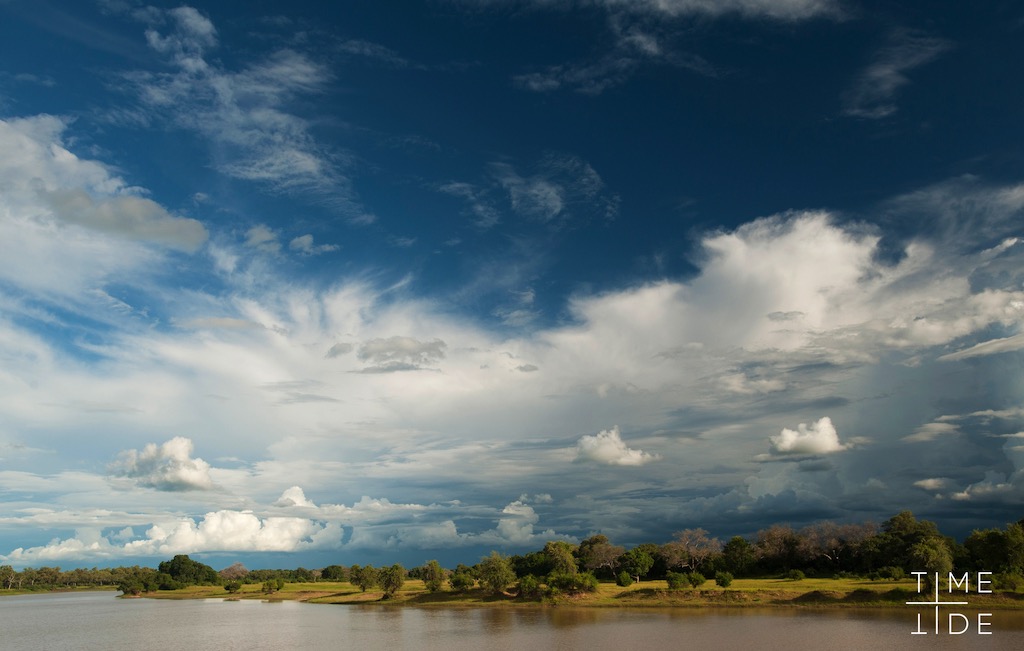
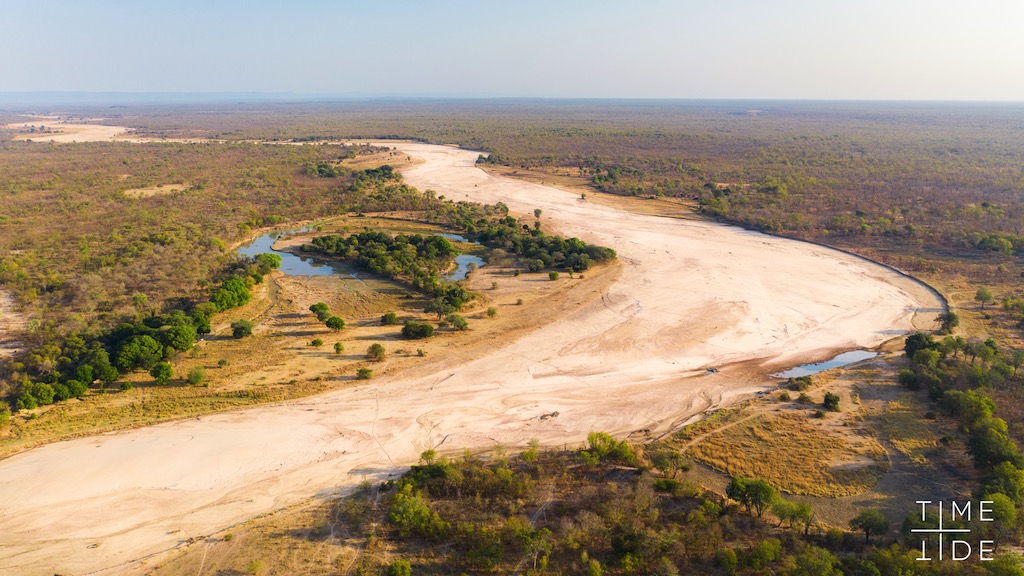
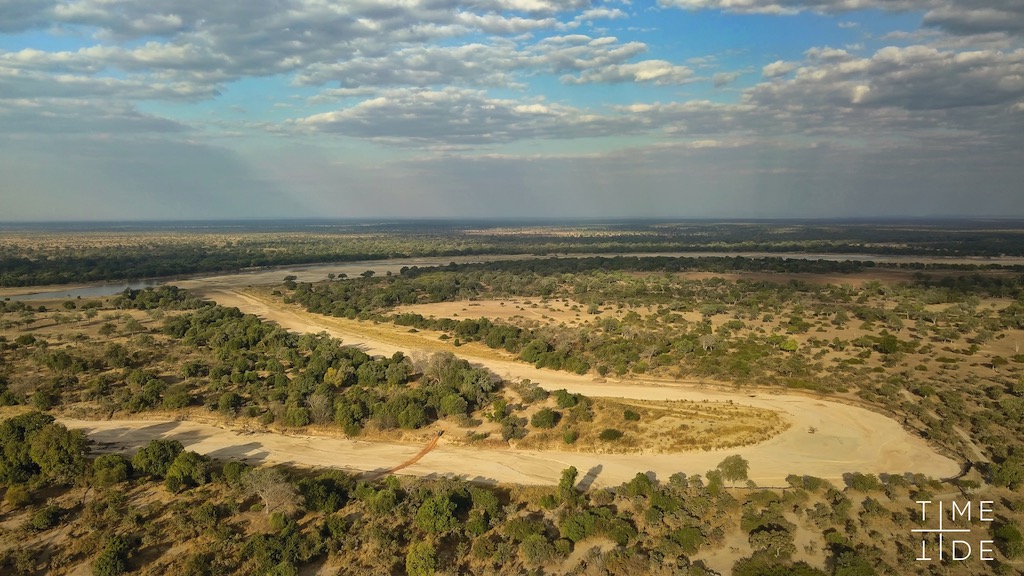
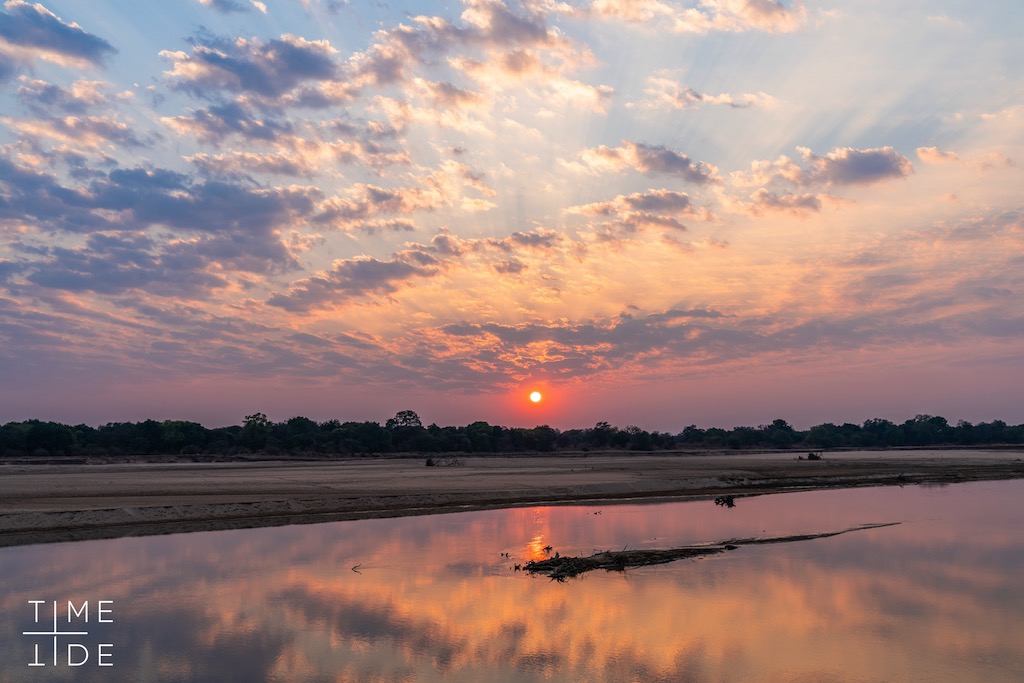
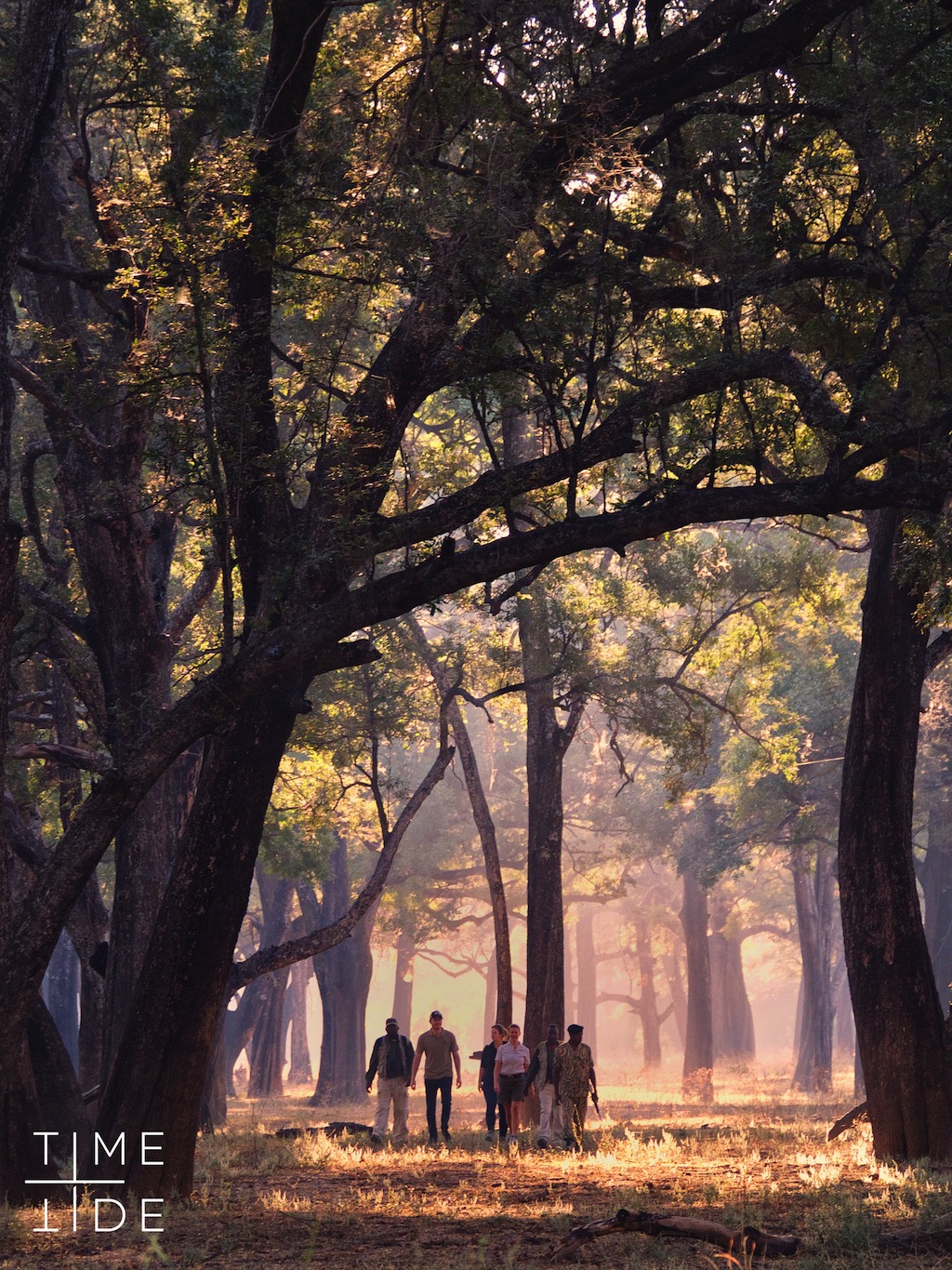
The Luangwa River is the most intact major river system in Africa and is the life blood of the park's 9050km2.    The Park hosts a wide variety of wildlife birds and vegetation. The now famous ‘walking safari’ originated in this park and is still one of the finest ways to experience this pristine wilderness first hand. The changing seasons add to the Park’s richness ranging from dry, bare bushveld in the winter to a lush green wonderland in the summer months. There are 60 different animal species and over 400 different bird species. The only notable exception is the rhino, sadly poached to extinction.

   What to See

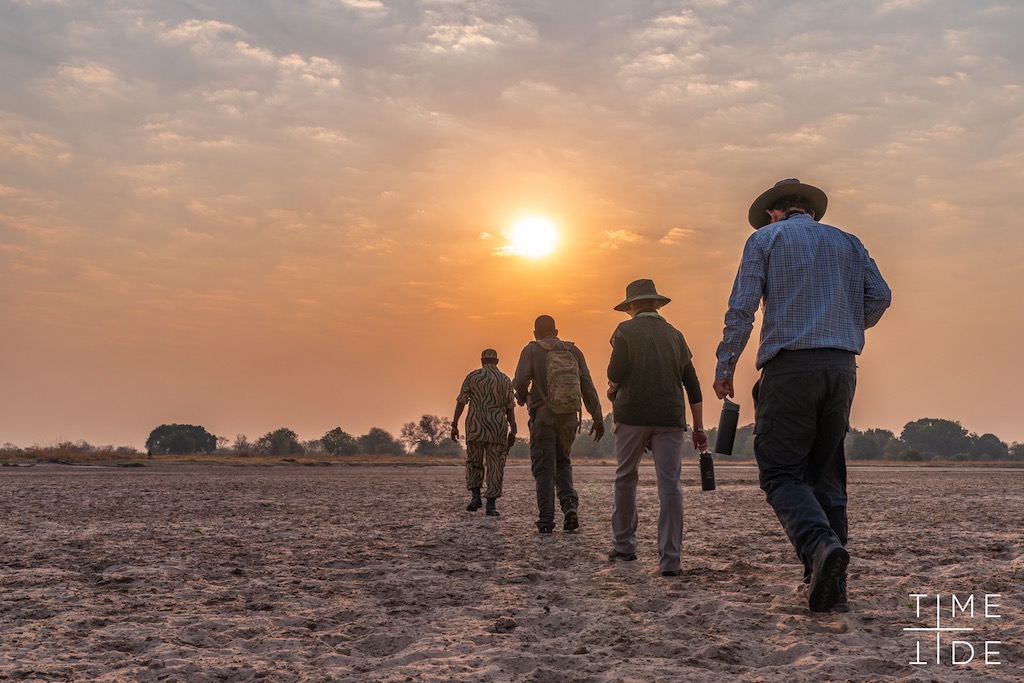
If you’re staying at one of the Valley’s lodges, the guides will ensure you have every opportunity to see all that the valley has to offer of its wildlife, birds and varying vegetation and habitats.

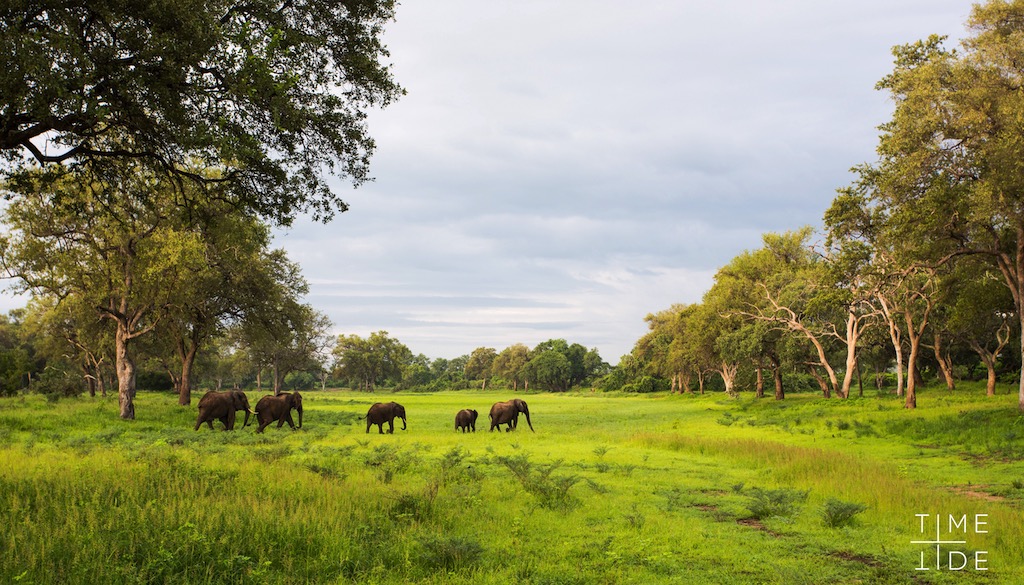
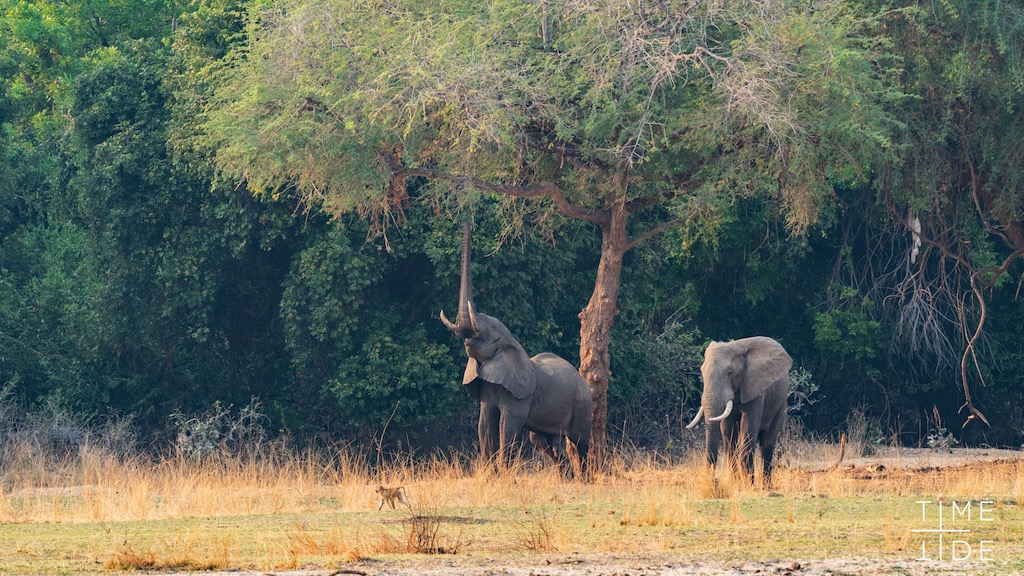
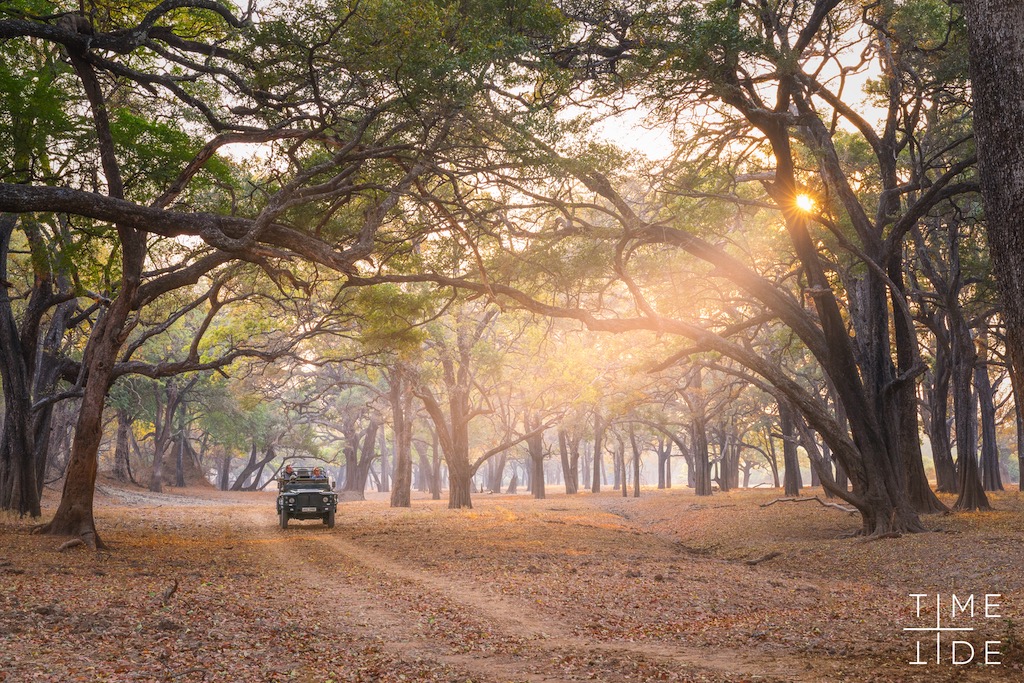
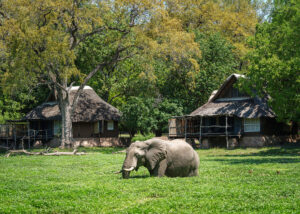
If you’re in your own vehicle, be sure to get a map of the park from the Crocodile Farm at the park entrance and follow the loop roads graded in the park, past dambos bursting with hippos, crowned cranes, grazing antelope and scurrying baboons. Further out on the plains you’re bound to see the large elephant herds, reaching up to 70 in number. Buffalo are abundant and spread throughout the valley.
 

The hippopotamus is one animal you won’t miss. As you cross over the bridge into the park there are usually between 30 and 70 hippos lounging in the river below and most of the dambos and lagoons will reveal many. There is estimated to be at least 50 hippos per kilometre of the Luangwa River!

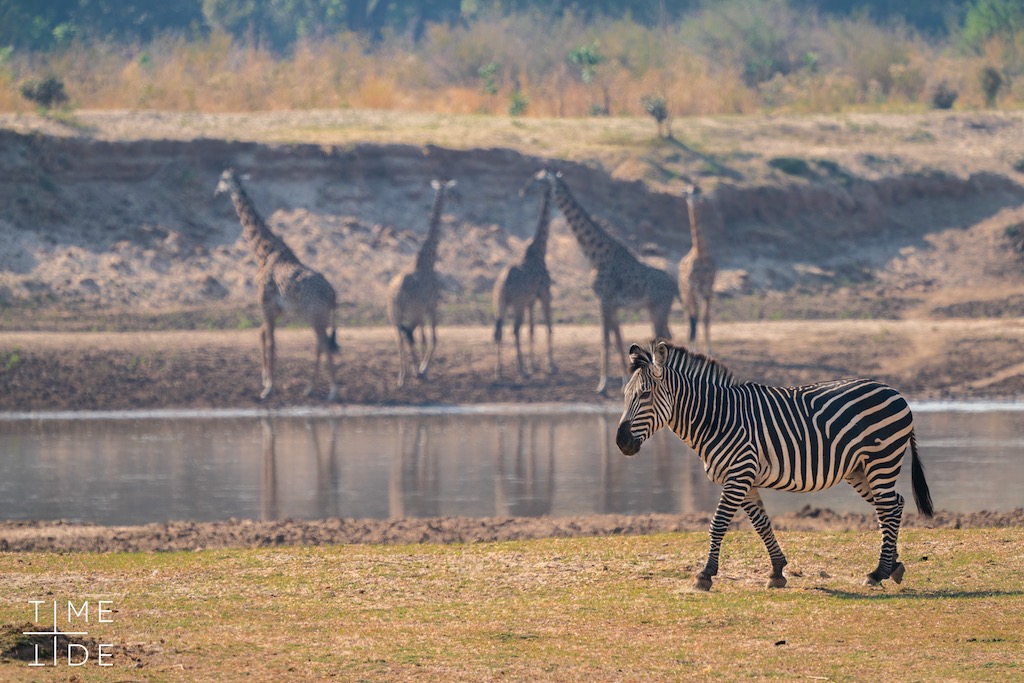
Zebra can be seen running in small herds of about a dozen. The difference between Zambia’s zebras and those in the south and east of Africa are in the stripes. Here they are evenly spaced as opposed to broad light stripes with a faint shadow stripe in-between.

Thornicroft’s Giraffe, unique to Luangwa Valley should be easily spotted.

The park has 14 different antelope species, most of which are easily seen on game and night drives. Watch out for the elusive bushbuck, preferring to inhabit densely covered areas. The common duiker is not that common near the Luangwa river but inhabits the back country of the Luangwa Valley. The largest of the antelope is the eland, usually near the Nsefu sector of the park. The most numerous antelope is the impala, these gregarious animals can be seen in herds all over the park. Not to be confused with the Puku, of similar size but a much fluffier buck with a rich orange coat and also prolific.

Perhaps the most beautiful is the Kudu, with its majestic spiral horns and delicate face. Although fairly common, they’re not always easy to find due to their retiring habits and preference for dense bush.. Reedbuck, roan, sable, hartebeest, grysbok, klipspringer and oribi are all here but not prolific in the central tourist area of the Park. They tend to stay deeper in the remote parts towards the Muchinga escarpment.

Of the primates, baboons and vervet monkeys are prolific. More scarce is Maloney’s monkey. Present, but unlikely to be seen except on night drives is the night ape, and the nocturnal bushbaby.

Hyenas are fairly common throughout the valley and their plaintive, eerie cry, so characteristic of the African bush can be heard on most nights.

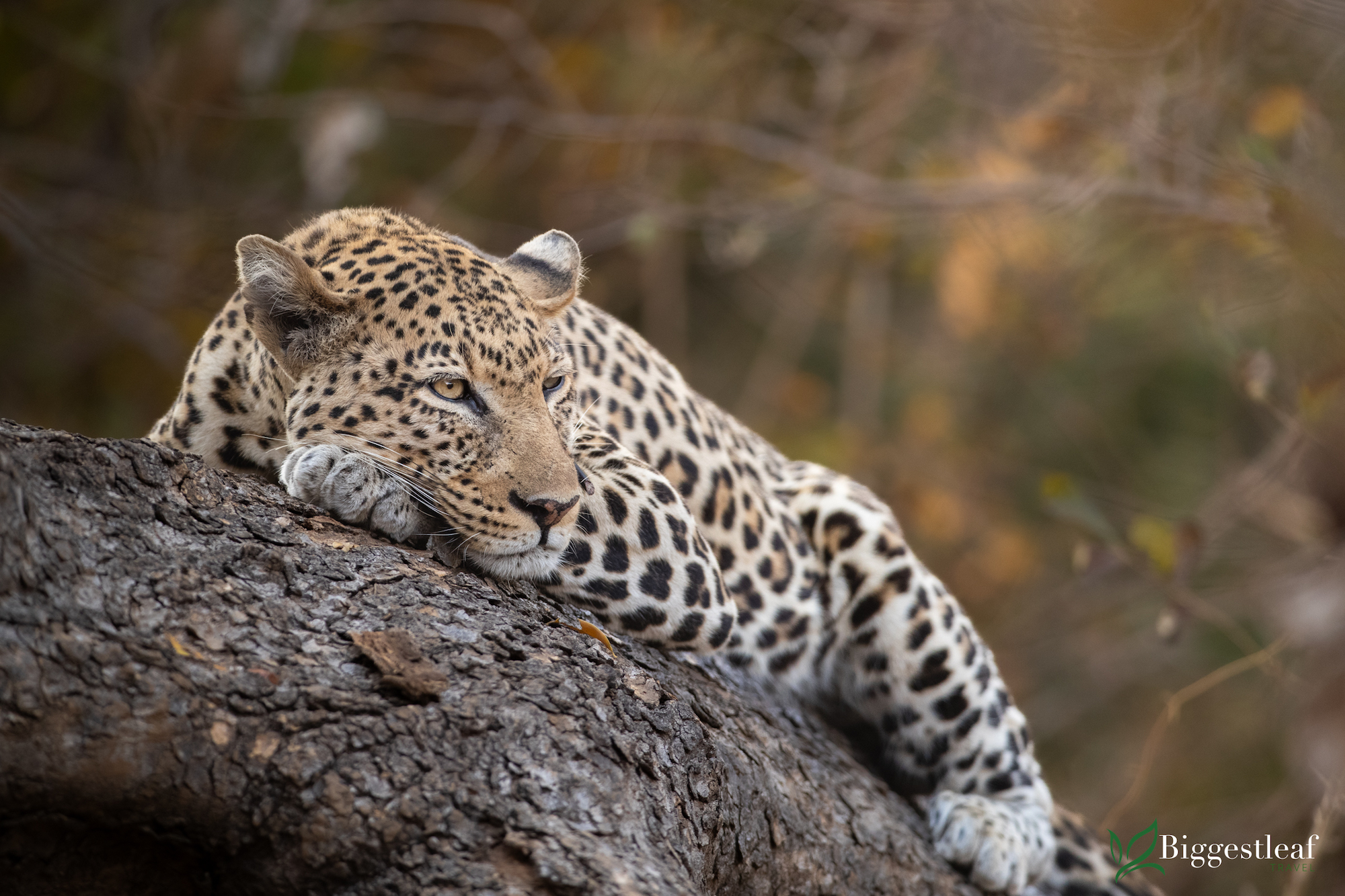
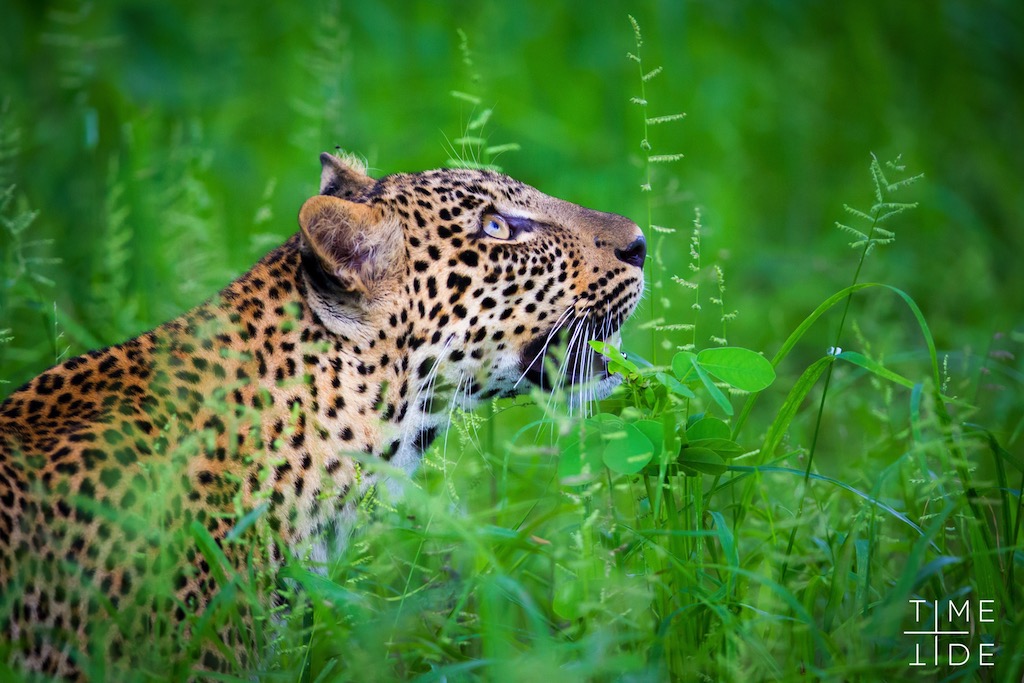
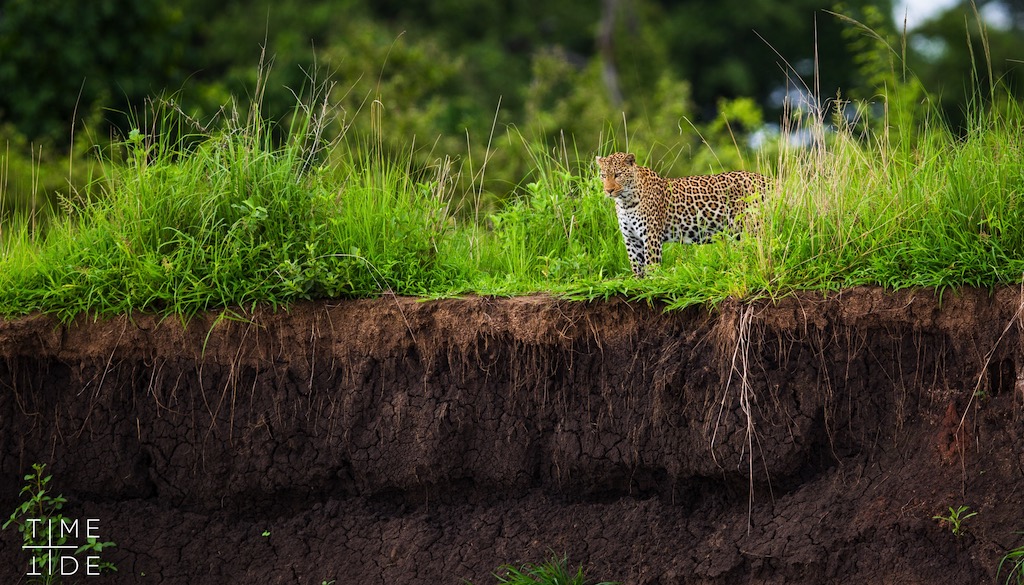
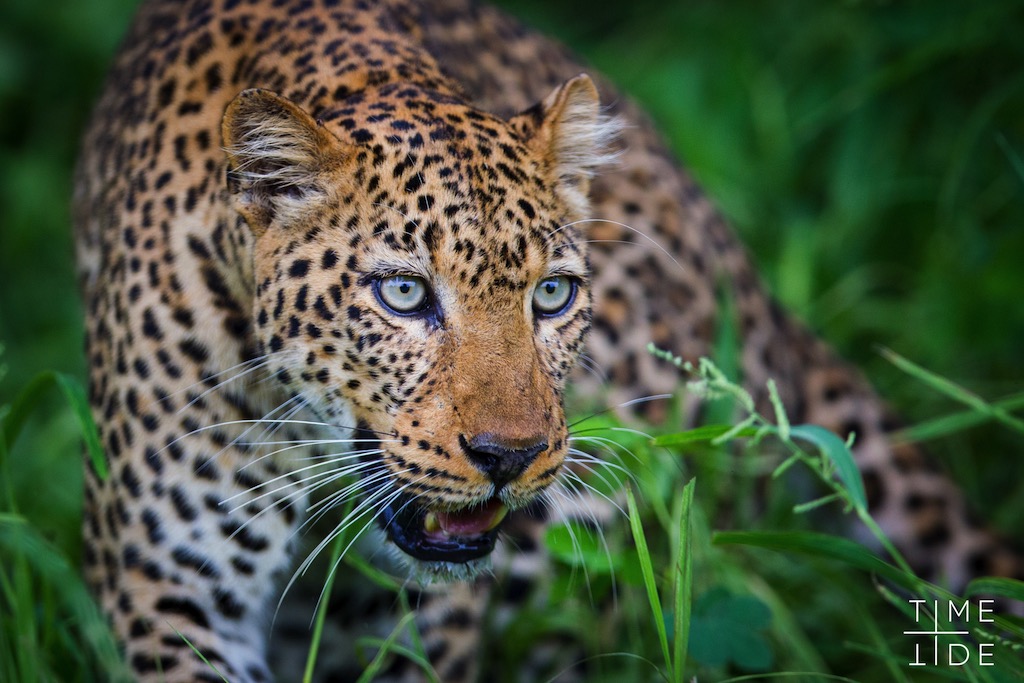
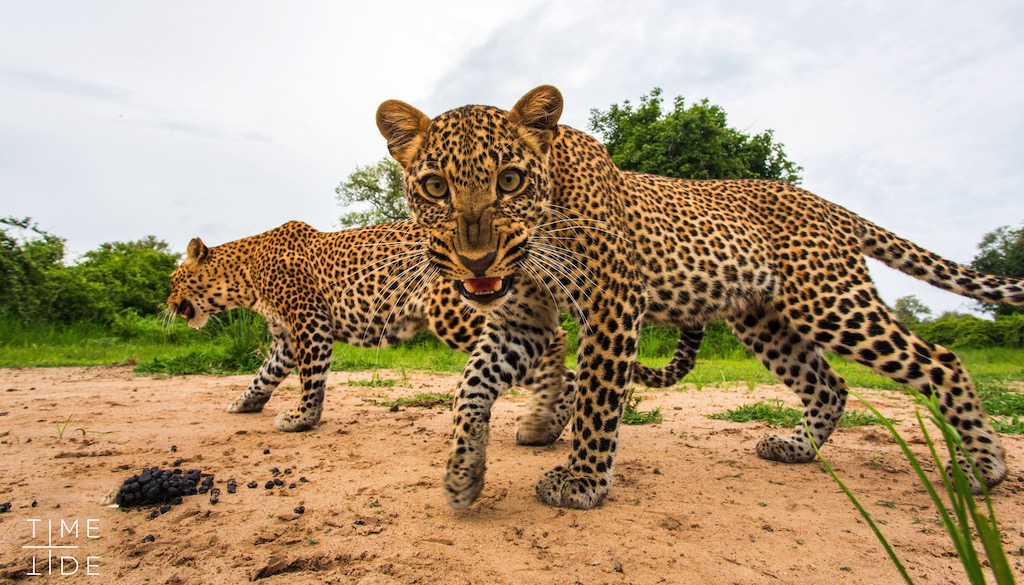
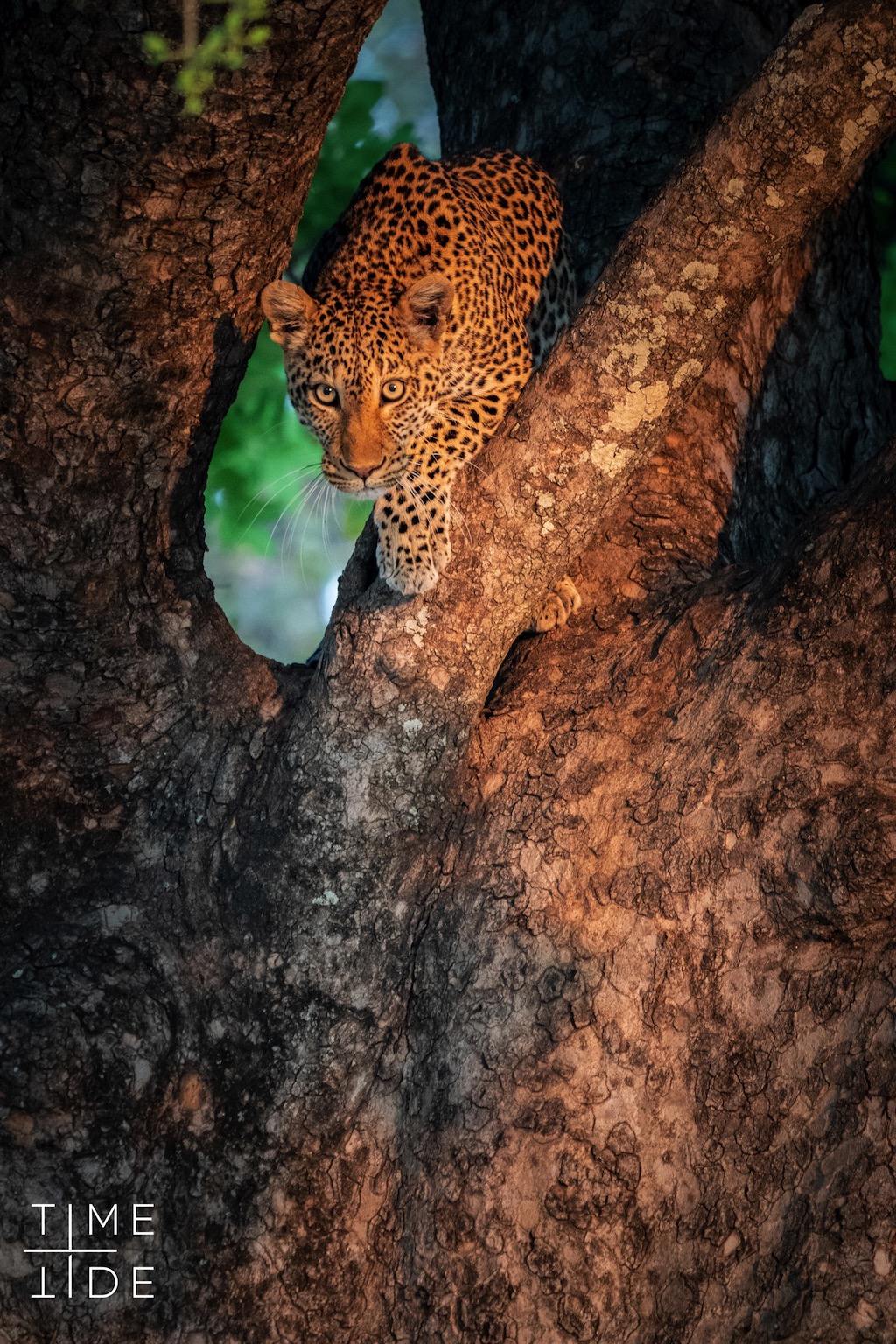
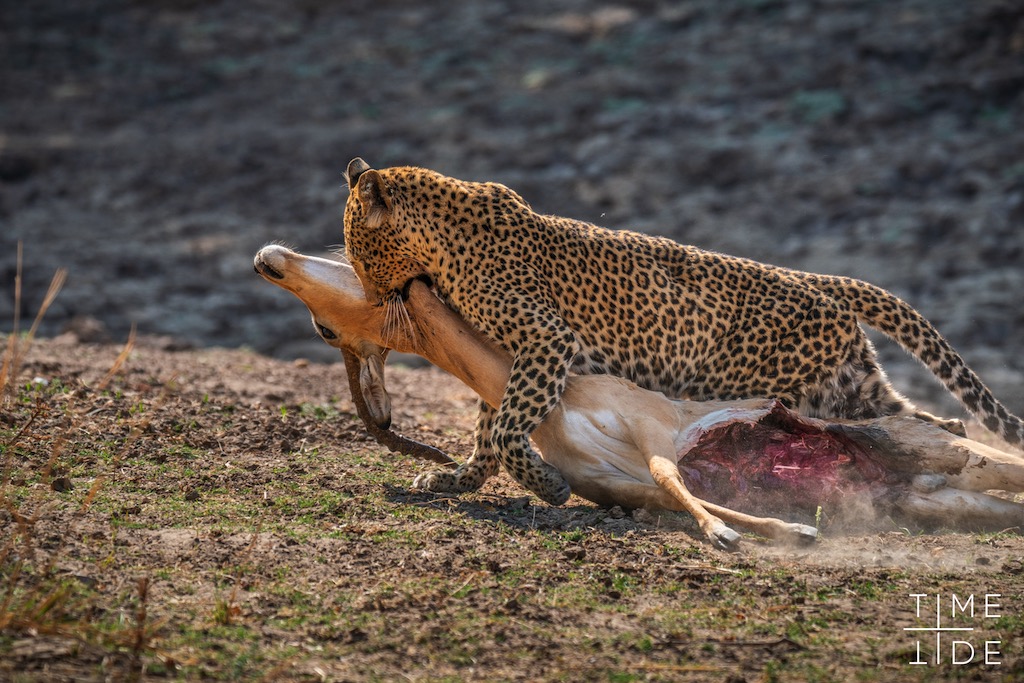
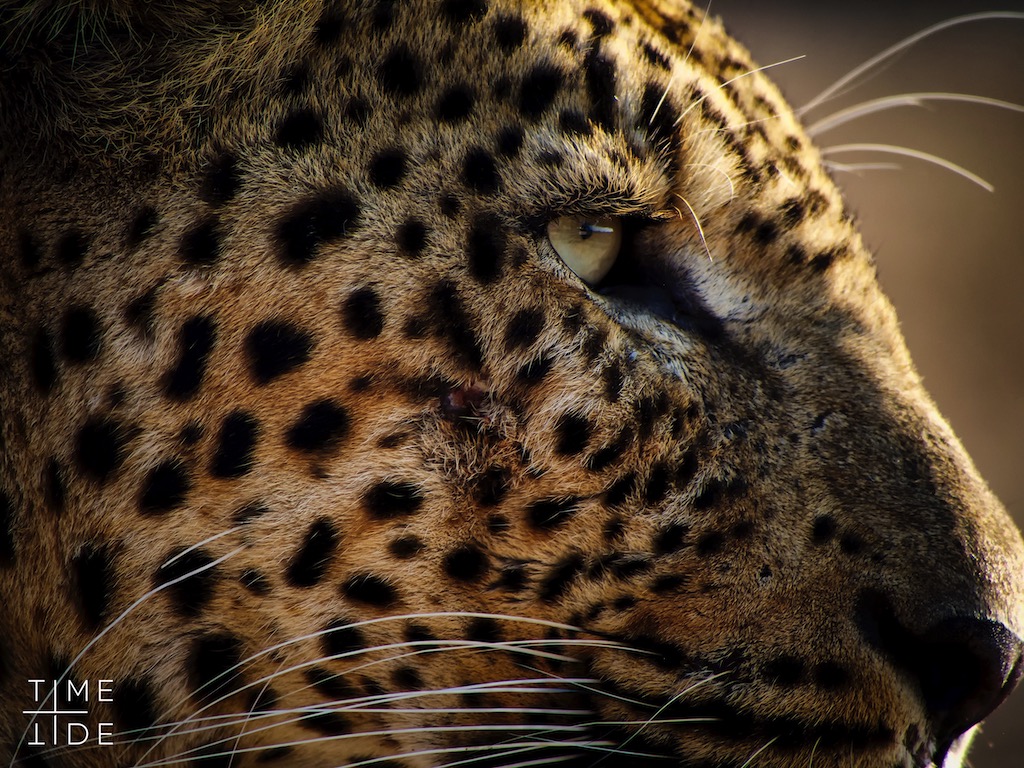
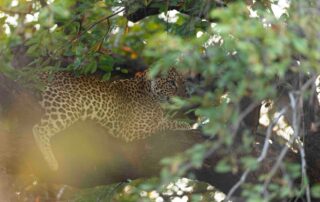
South Luangwa has a good population of  leopard but they are not that easy to spot and tend to retreat when they hear vehicles. Many of the Lodge’s game trackers are skilled in finding leopards on night drives however, and often visitors are rewarded with a full view of a kill.


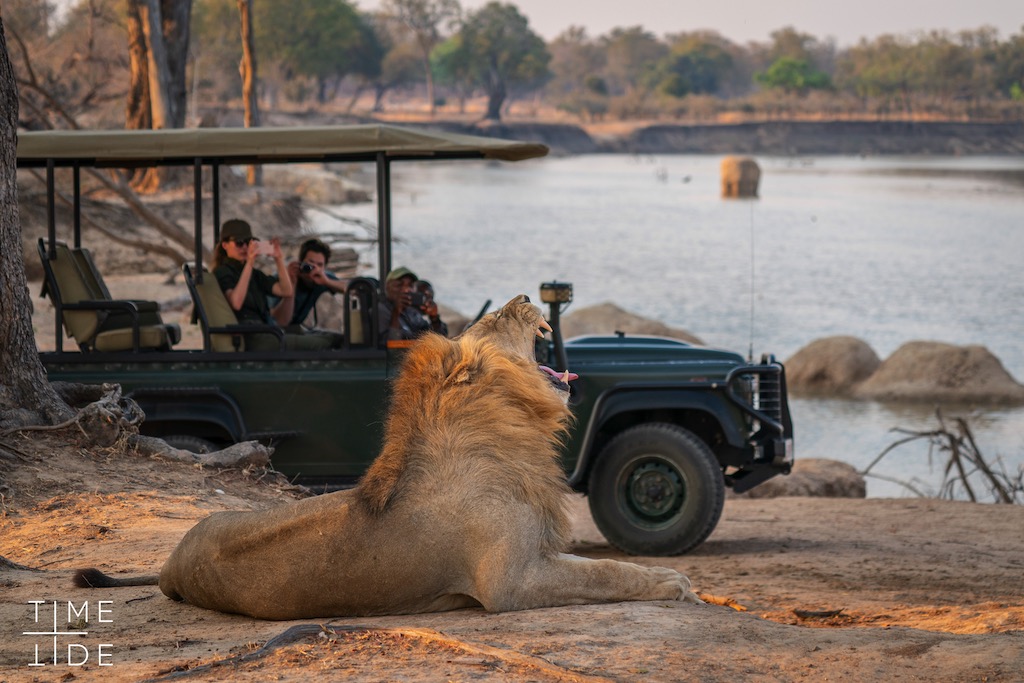
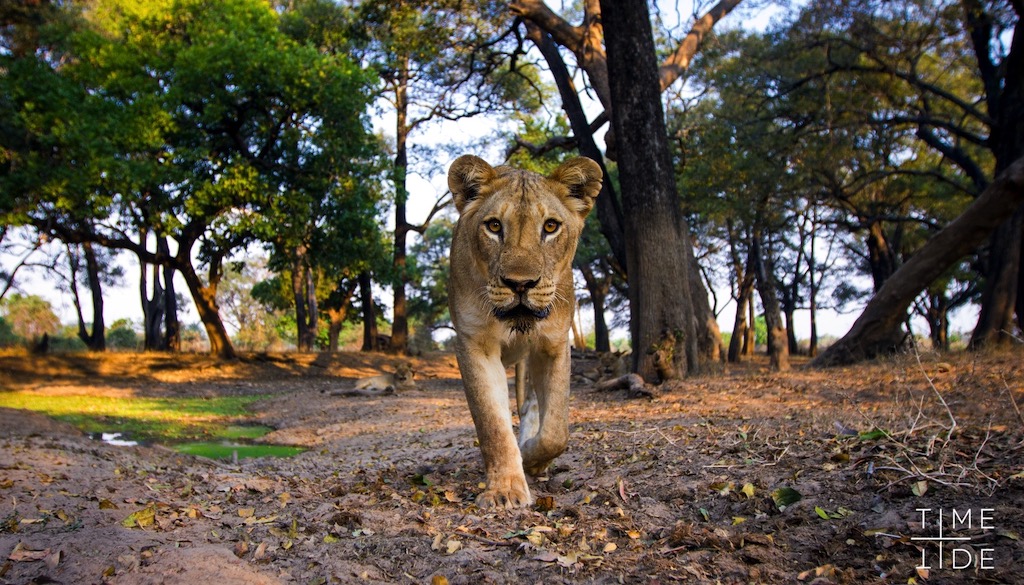
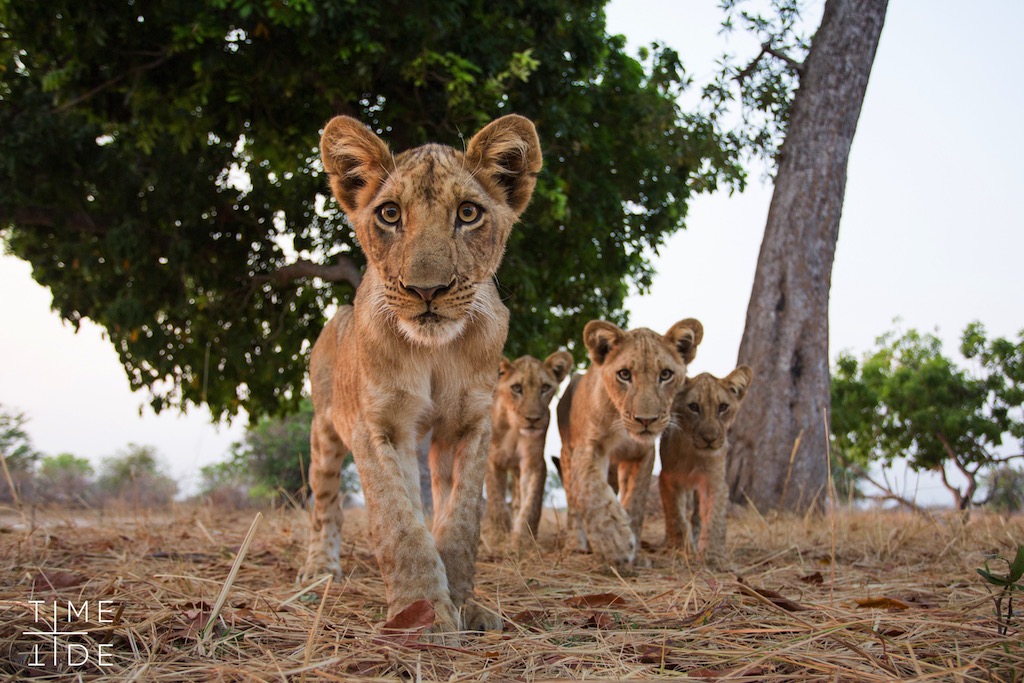
Lions are as plentiful in the Luangwa as anywhere else in Africa, but when a kill is made away from the central tourist area, the pride may stay away for several days and may not be seen by visitors on a short stay. Very often they roam in prides of up to thirty.

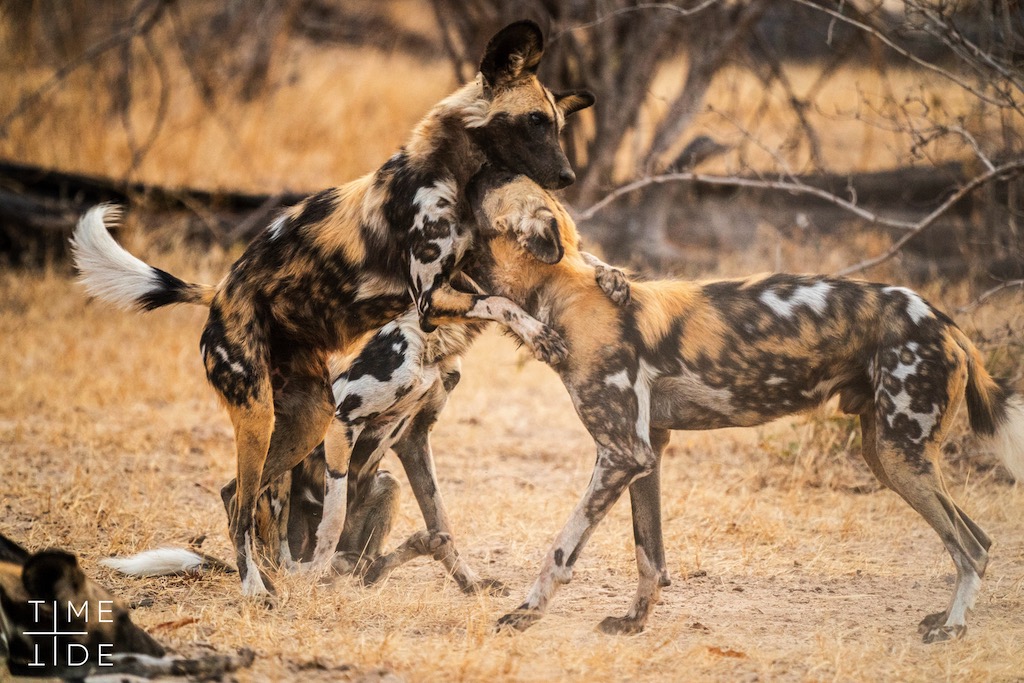
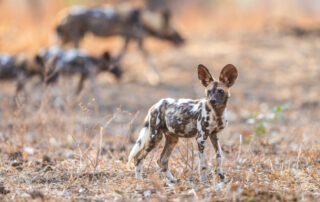
Of the other carnivores present but not often seen is the caracal, wild dog, serval and side striped jackal.

The Luangwa river also has an extraordinarily high number of crocodiles. It is not uncommon to see several basking on the riverbanks or even floating down the river tearing at a dead animal.

See the South Luangwa Conservation Society Website for updates on the conservation efforts of Luangwa's Wildlife Heritage.


   Birdlife

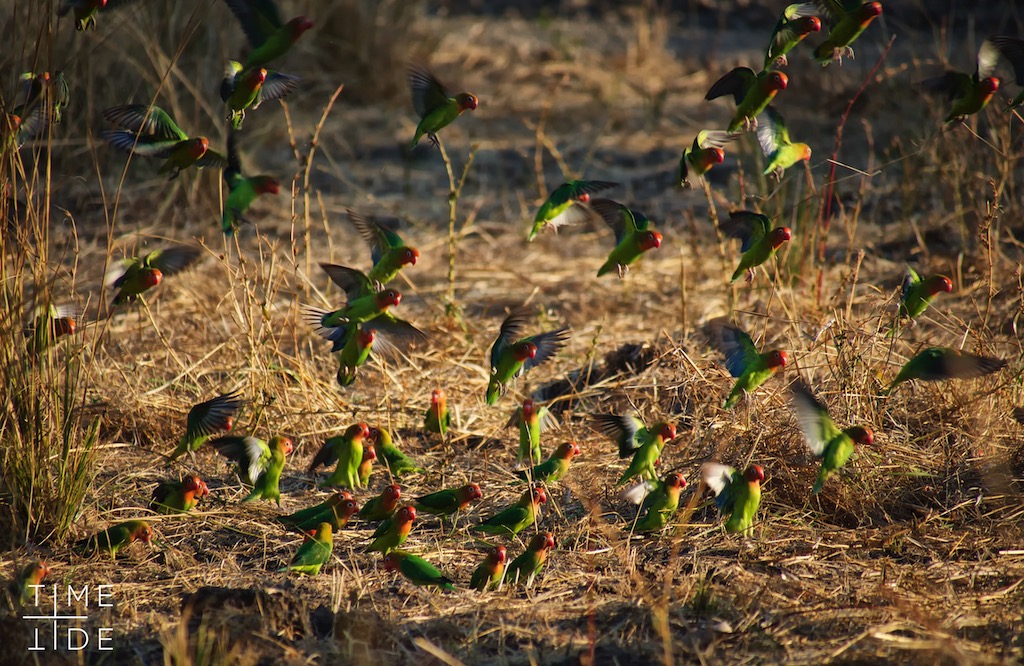
Birdwatching is superb in the Valley. Near the end of the dry season, when the river and oxbow lagoons begin to recede, hundreds of large waterbirds can be seen wading through the shallows. The red faced yellow billed storks move along with their beaks open underwater, disturbing the muddy liquid with their feet until the fish flop into their mouths. The pelicans tend to operate in lines abreast, driving the fish before them into shallows before scooping them up into their beak pouches. The striking 1.6m saddle bill stork makes quick darting movements into the water. Then there’s the marabou stork, great white egrets, black headed herons, open billed storks and the stately goliath heron that can stand in the same position for hours before pouncing. Of the most beautiful are the elegant crowned cranes, with their golden tufts congregating in large flocks at the salt pans.

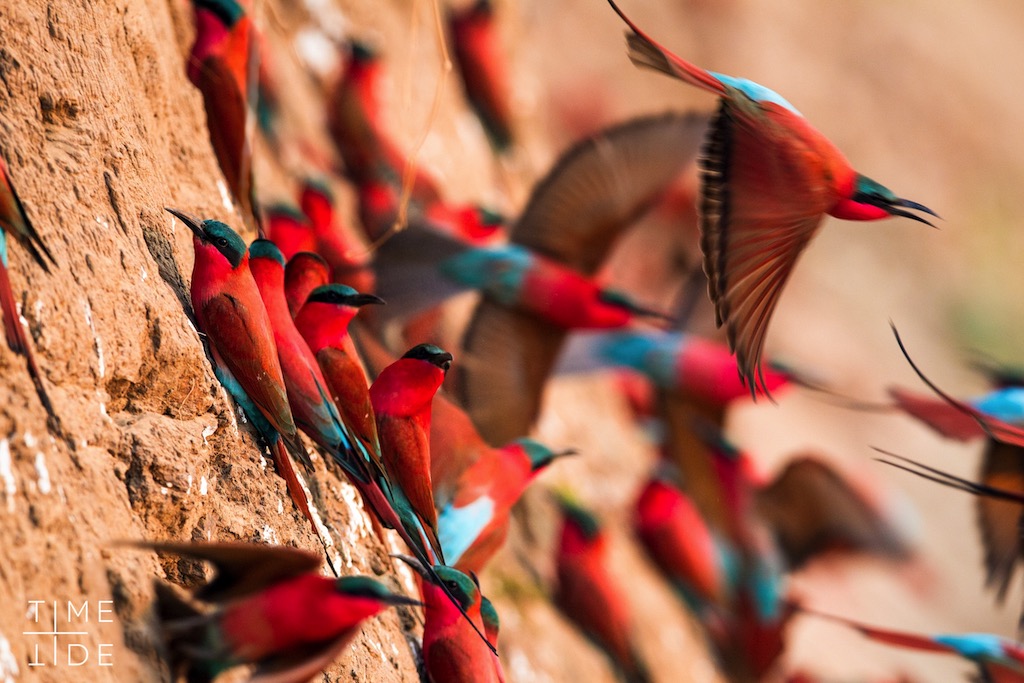
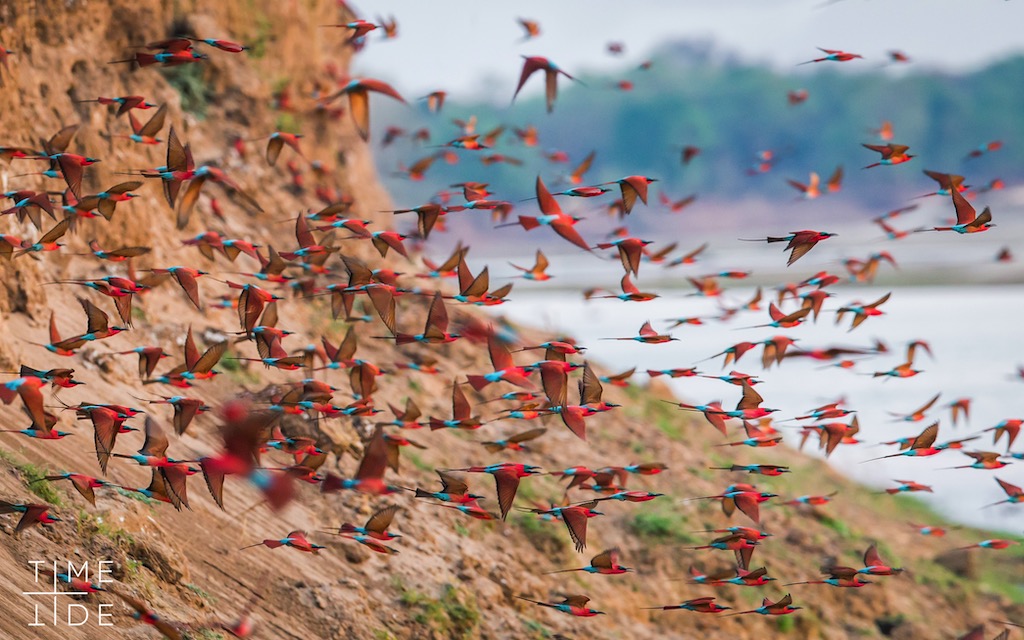
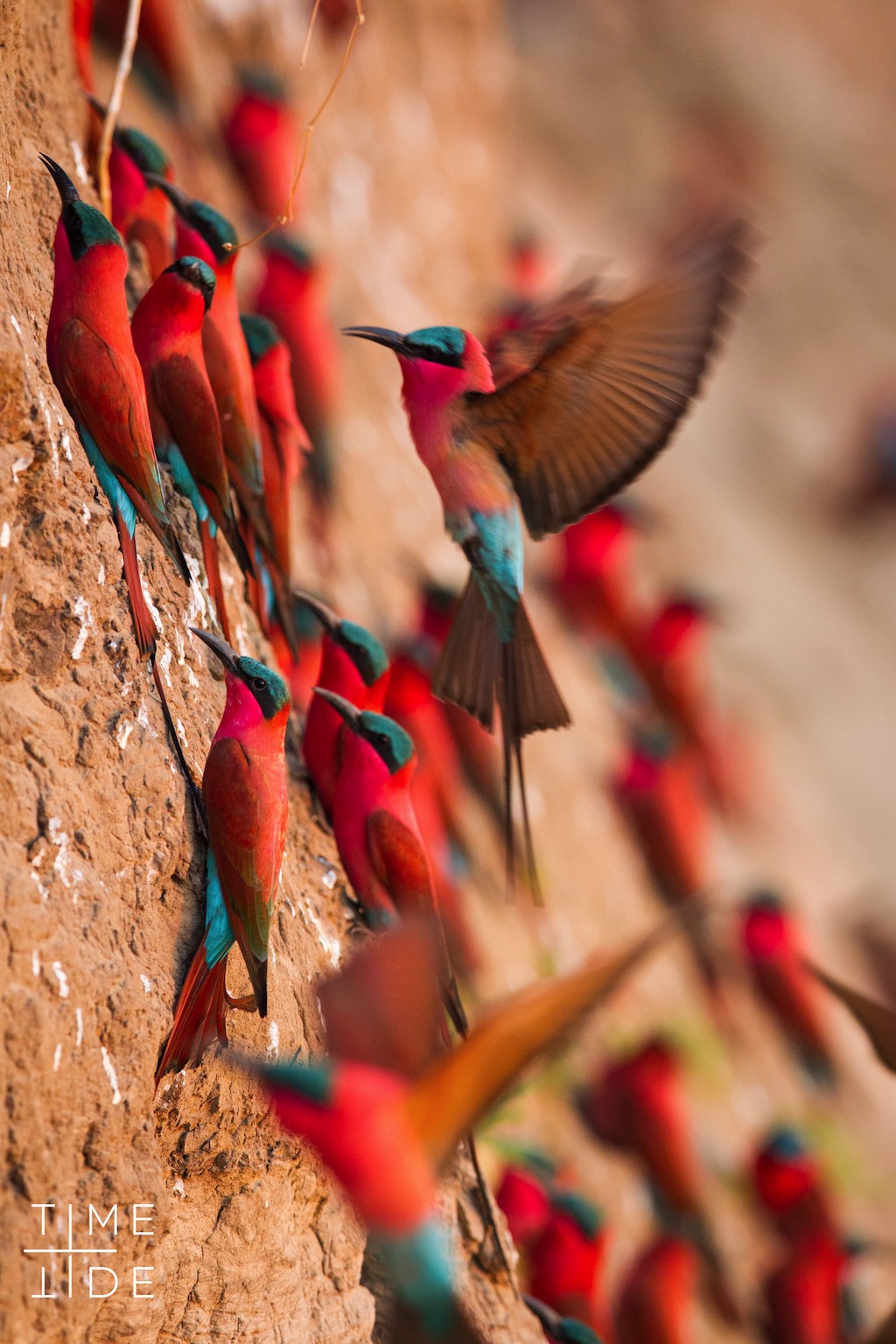
Around the same time, just before the rains set in, in November, the palearctic migrants from Northern Europe and the intra-African migrants arrive to exploit the feeding opportunities that the warm rainy season brings. These include the red chested cuckoo, white storks, European swallows. Swifts, hobbies and bee-eaters, as well as birds of prey such as the Steppe eagles and Steppe buzzards that come all the way from Russia. A special sight is the hundreds of brightly coloured carmine bee-eaters nesting in the steep sandy banks of the river.

The ever-present sounds of the birds in the Valley takes some getting used to. An early caller is the ground hornbill, looking like a well-dressed turkey, but emitting the sound of a deep base drum. The melodious Heuglin’s robin, the shrill cry of the fish eagle and the background cooing of doves and larks.

With about 400 of Zambia’s 732 species of birds appearing in the Valley, including 39 birds of prey and 47 migrant species, there is plenty for the birdwatcher to spot, whatever the season.

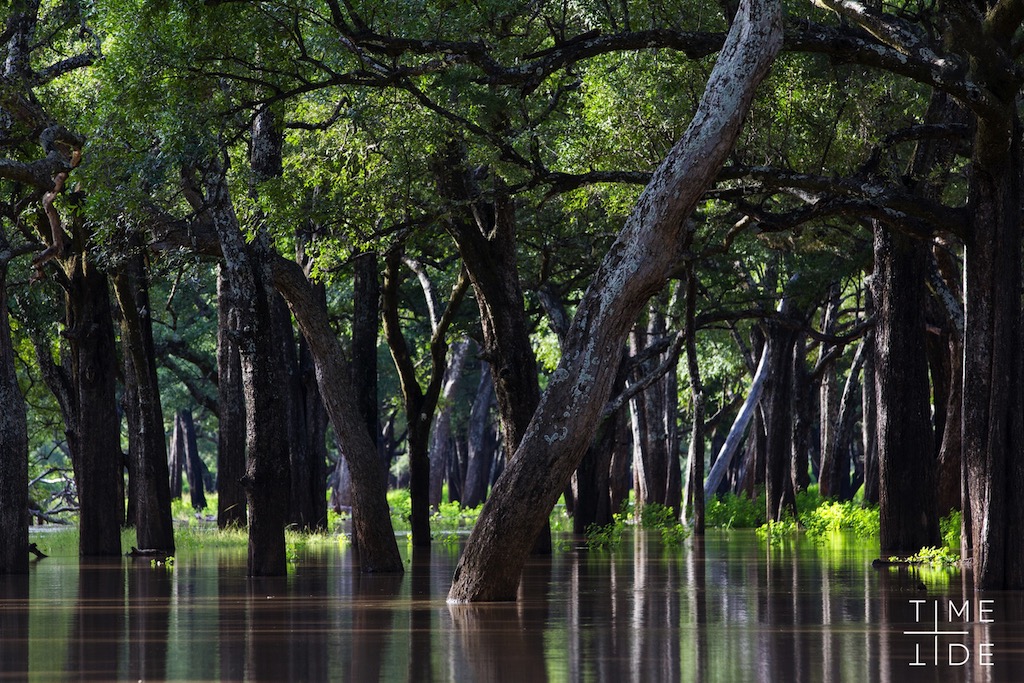
For an enhanced experience of the bush, one would do well to develop an interest in the varying vegetation in Zambia. Some magnificent trees grow in the Valley and it certainly adds to the richness of one’s experience to begin to recognise different tree species and figure out the implications of them growing in that particular area.

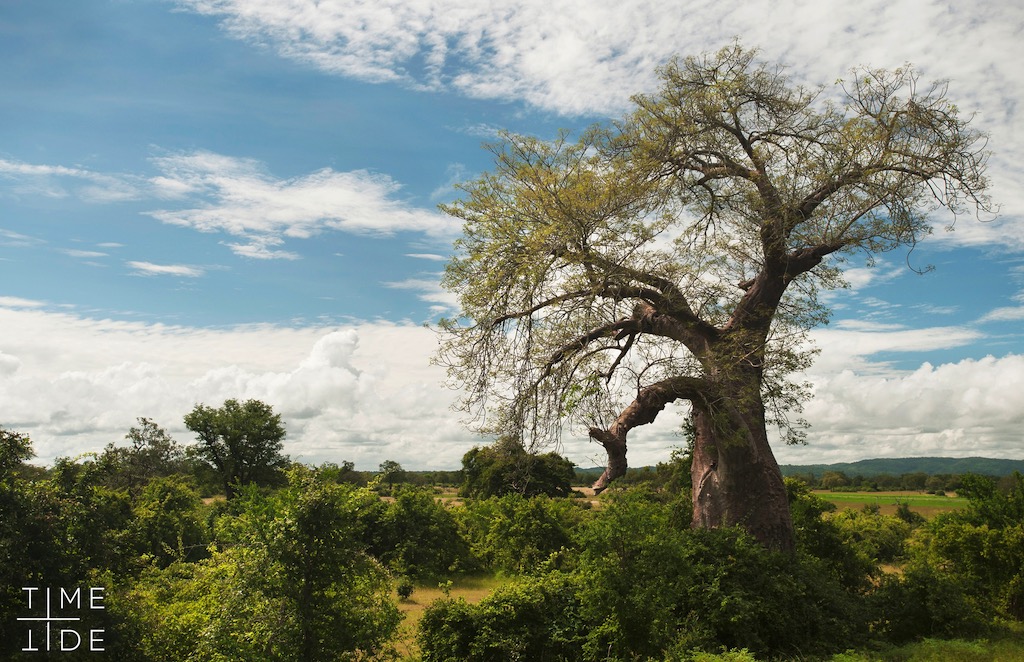
Among the more common trees in the valley are the mopane, leadwood, winterthorn, some beautiful specimens of baobab, large ebony forests, the tall vegetable ivory palm, marula and the magnificent tamarind tree.

   What to do

The lodges and camps in the valley all offer game drives, night drives,  walking safaris through the Park.  Photographic Safaris and Birding Safaris  are also available


Personal Touch South Luangwa on a Budget


If you're camping or want to take a private game drive, you can hire a game drive vehicle with a driver and plan your own excursion. See The Personal Touch.


Visits can also be taken to Kawaza Village situated just outside the Park, home to members of the Kunda tribe. One can also stay here. There are accommodations for up to eight guests in simple thatched African huts. Kawaza Village is the winner of the prestigious British Guild of Travel Writers’ Silver Otter Award for “Best Overseas Tourism Project.”


There is an award-winning Bush-Spa set beautifully in the heart of the Park, creating a nature sanctuary for those seeking tranquillity and rejuvenation of mind, body and soul. While the emphasis is on the African experience, all treatments are based on the amazing therapeutic ingredients this continent has to offer. Using indigenous remedies, therapists follow African traditions like using coffee to exfoliate before a deep cleanse with Marula and moisturizing with Kigelia Africana or Baobab Masks.
Your game viewing can even continue whilst having a warm Jacuzzi bath or a Zambian foot reflexology massage! The Bush-Spa is open daily for all Luangwa visitors and found on the main road into the park, at Mfuwe Lodge.
 

    Getting there

Mfuwe Airport recently achieved international status and various airlines were looking at scheduled flights from abroad

Domestic flights  Proflight Zambia is the only scheduled airline flying in Zambia now.  They fly daily to South Luangwa and Livingstone from Lusaka all year  (frequencies increase in high season)
Charter planes  from outside the country can now fly direct without clearing customs at Lusaka and there are a number of charter companies in Zambia, that can fly to and from Zambia’s top destinations. All lodges do transfers to and from the airport.
Charter planes at seat rate – Executive Air and Nyasa Air Taxis

Driving, one can approach from three sides. The usual route is from Chipata. This is a good road if a little corrugated and the 123km drive takes about two hours to Mfuwe, just outside the Park. If travelling in a robust 4x4 from Lusaka, it is possible to take a short cut from the Great East Road at Petauke, up alongside the Luangwa River to Mfuwe. Only to be attempted well into the dry season. A good overnight stop along the way is at the Luangwa River Bridge at Bridge Camp.

The Northern access is from Mpika on the Great North Road or Lundazi, near Zambia’s eastern border with Malawi. Just below Mpika, there is a road running down the Munyamadzi Corridor between North and South Luangwa Parks. It is passable but only
 is only open between August and October in 4WD and preferably with two vehicles as help is a long way away. The mountain pass down the escarpment is quite formidable, very rocky and bumpy but the view over this, the tail end of the Great Rift Valley, is quite spectacular.


  When to Go

Seasonal changes are very pronounced in Luangwa. The dry season begins in April and intensifies through to October, the hottest month when game concentrations are at their height. Warm sunny days and chilly nights typify the dry winter months of May to August.

The wet season begins in November as the leaves turn green, and the dry bleak terrain becomes a lush jungle. The rainy season lasts up until the end of March and the migrant birds arrive in droves. Each lodge stays open for as long as access is possible, depending on its location in the area.

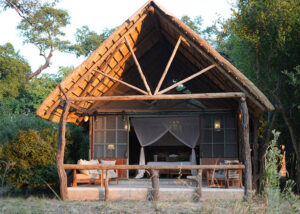
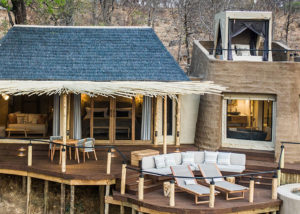
There are several lodges that remain open all year in the central area of the park. 
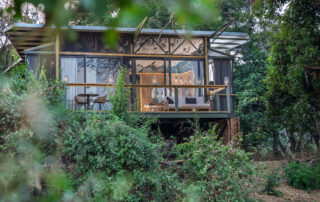
And recently bushcamps are now opening in the “Emerald Season”.

Where to stay
Click here for a comprehensive list of all lodges and camps in South Luangwa with links to their websites and here for their location in South Luangwa.


BACK TO TOP


Safari in Zambia


Google

VIDEOS
with short clips on
safaris, wildlife,
Victoria Falls,
adventures and more

CLICK HERE
for the Tourist Board
Video on Zambia


GALLERIES
Photo Gallery Pages
by destination,


BROCHURES

*
Destination Zambia

* Zambia Highlights

 * Tourism Investment
Opportunities in the
 Kafue National Park


TOURS & SAFARIS
Book accommodation
 or a guided tour
anywhere in Zambia


Follow us on


Developed, maintained and hosted by by