
LOWER ZAMBEZI NATIONAL PARK
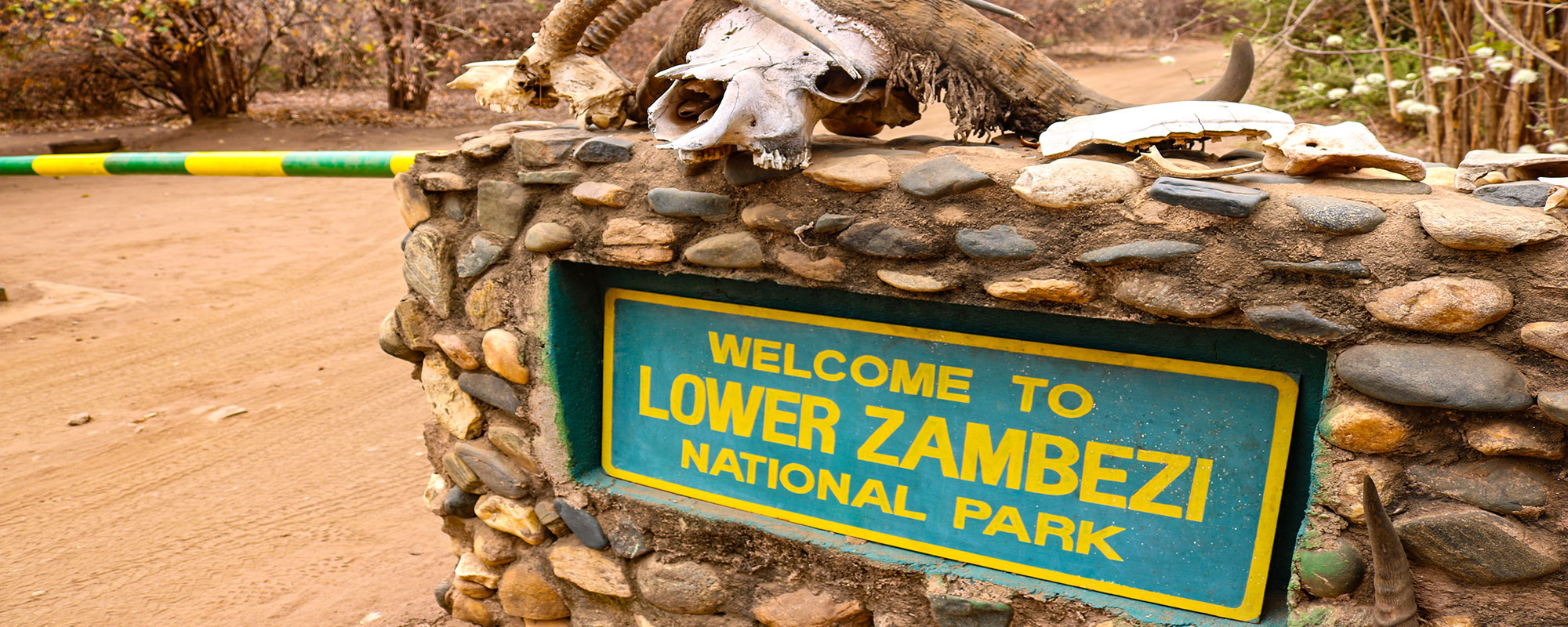
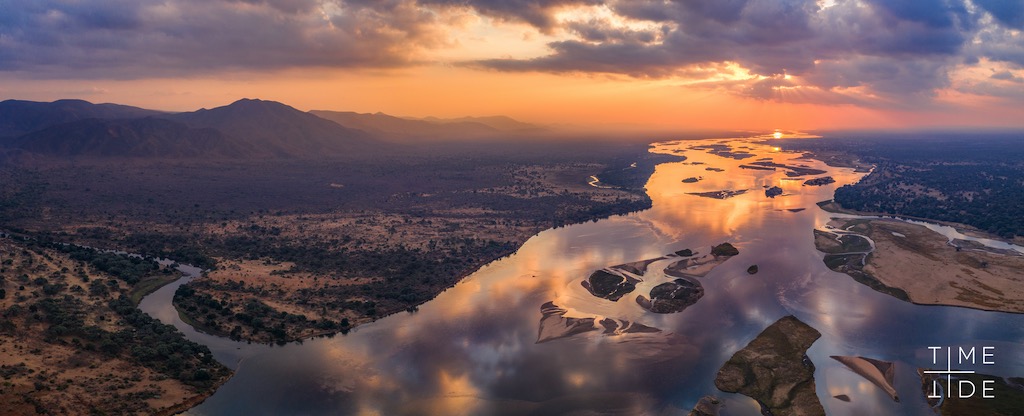
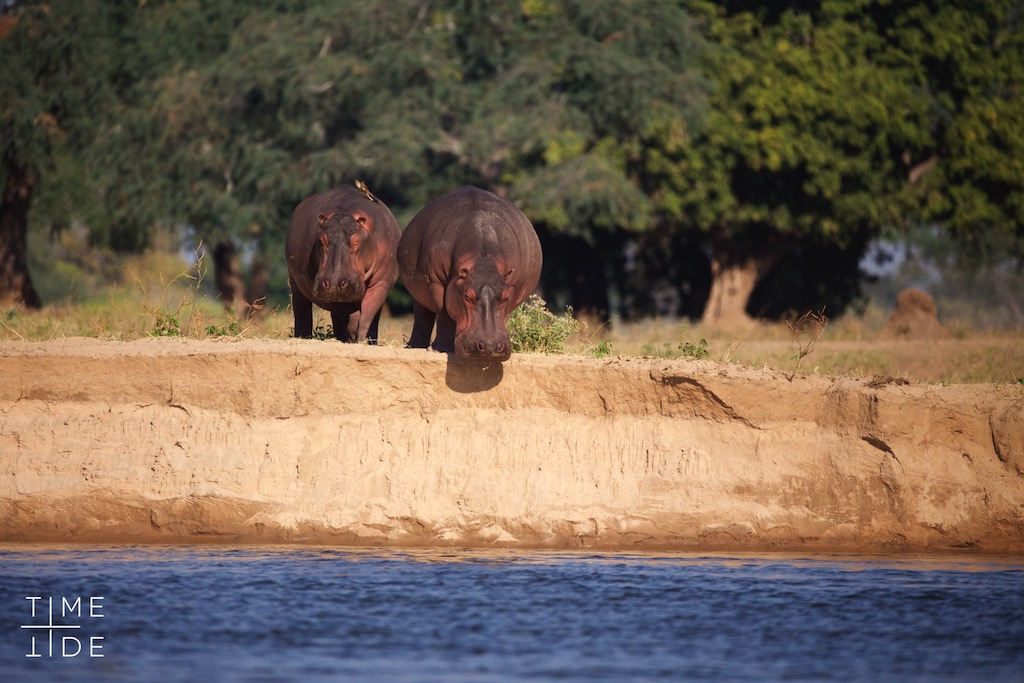
While this park is developing rapidly and gaining in popularity as the game bounces back, its beauty still lies in its unchanged wilderness state. The diversity of animals is not as wide as the other big parks (there are famously no giraffes as the hilly terrain that protects the Zambia River doesn’t suit them) but the opportunities to get close to game wandering in and out of the Zambezi channels are spectacular. It lies opposite the famous Mana Pools National Park in Zimbabwe, so the whole area on both sides of the Zambezi River is a massive wildlife sanctuary.
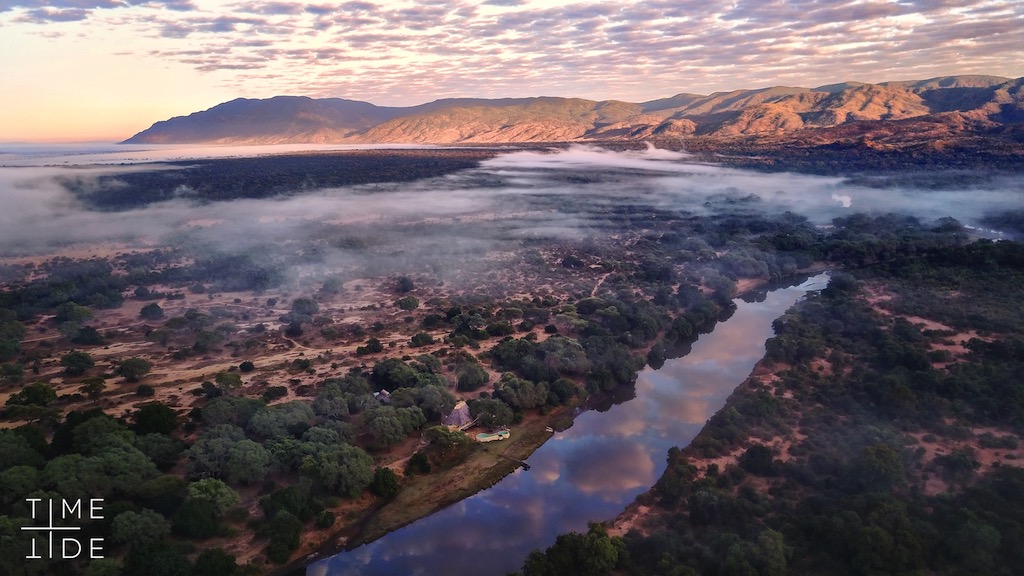
The river’s edge is overhung with a thick riverine fringe, including ebony and fig trees. Further inland is a floodplain fringed with mopane forest and interspersed with winterthorn trees and huge acacias. The rolling hills, which form the backdrop to the park, are covered in broadleaf woodland.
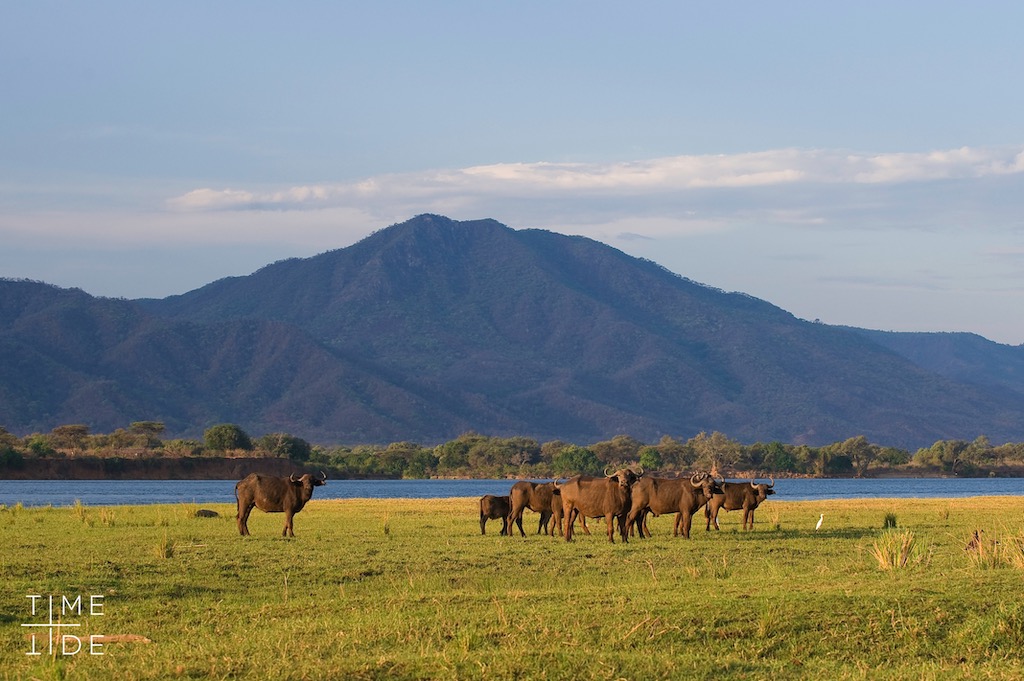
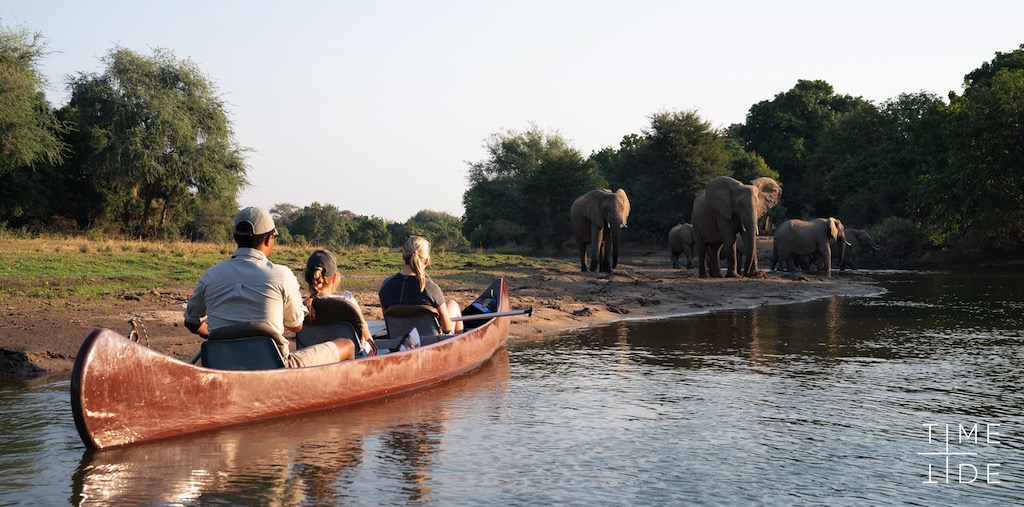
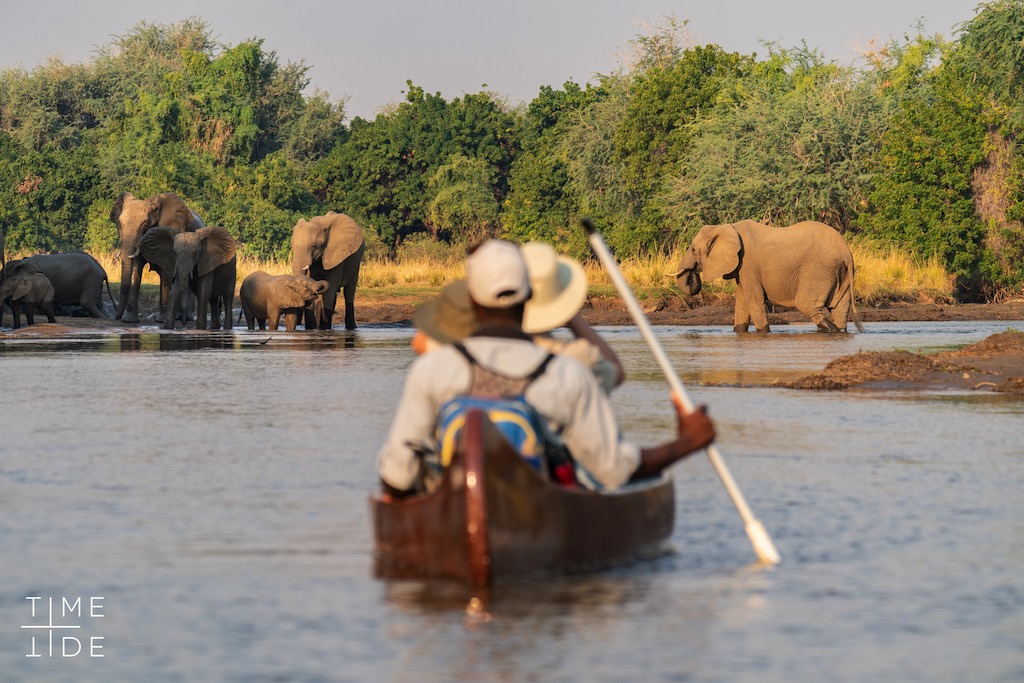
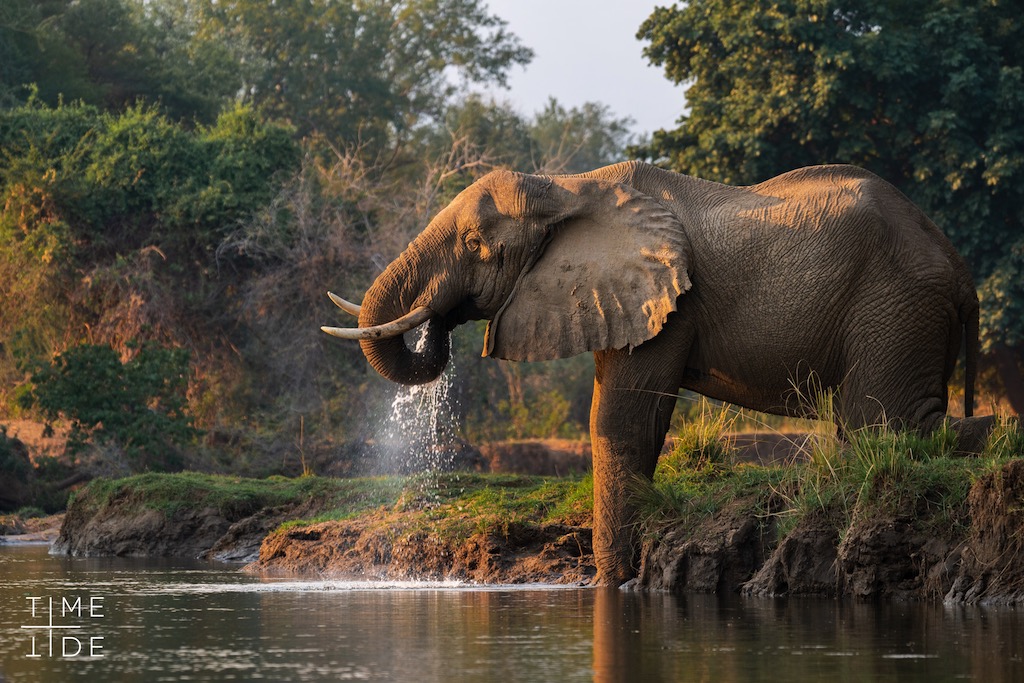
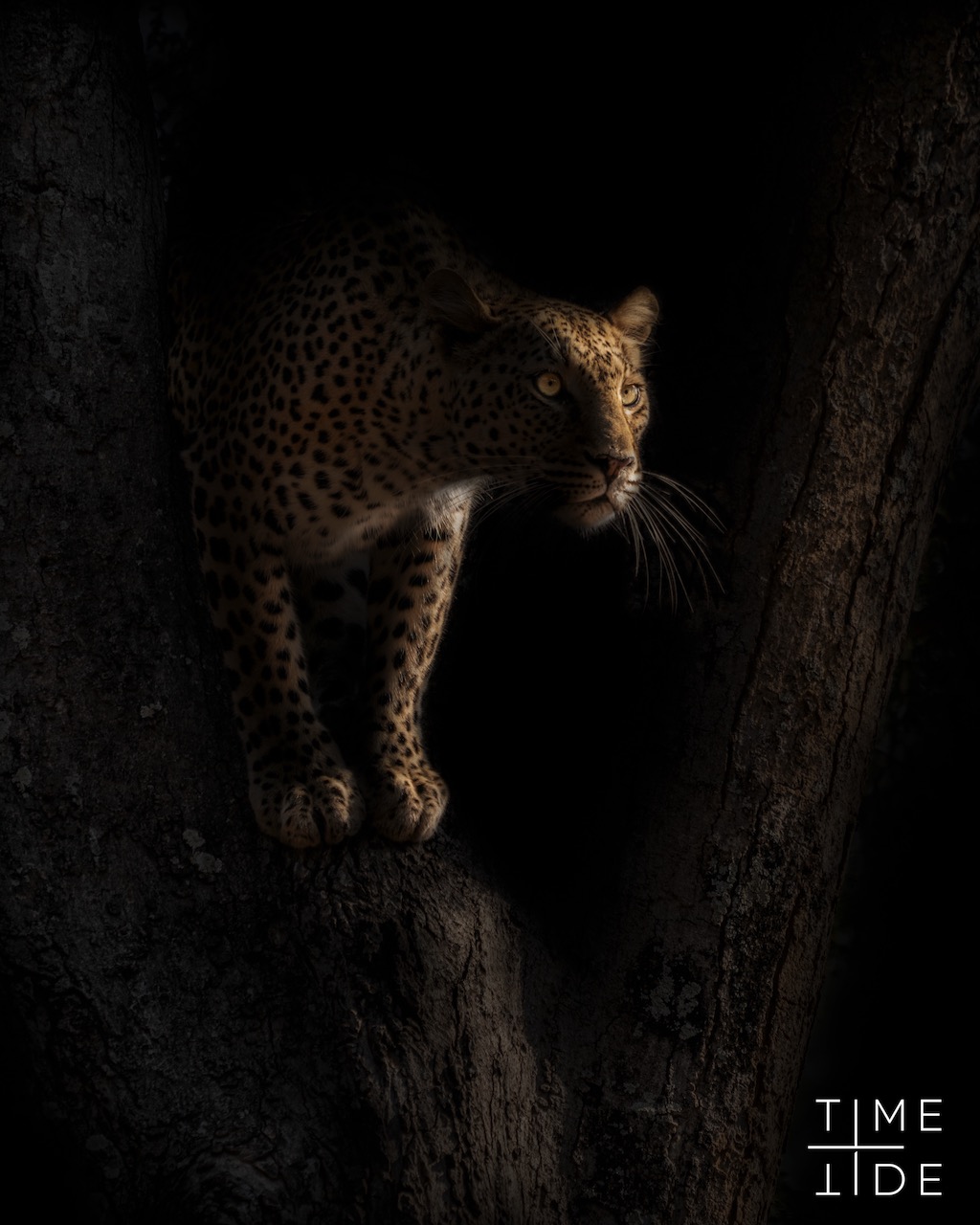
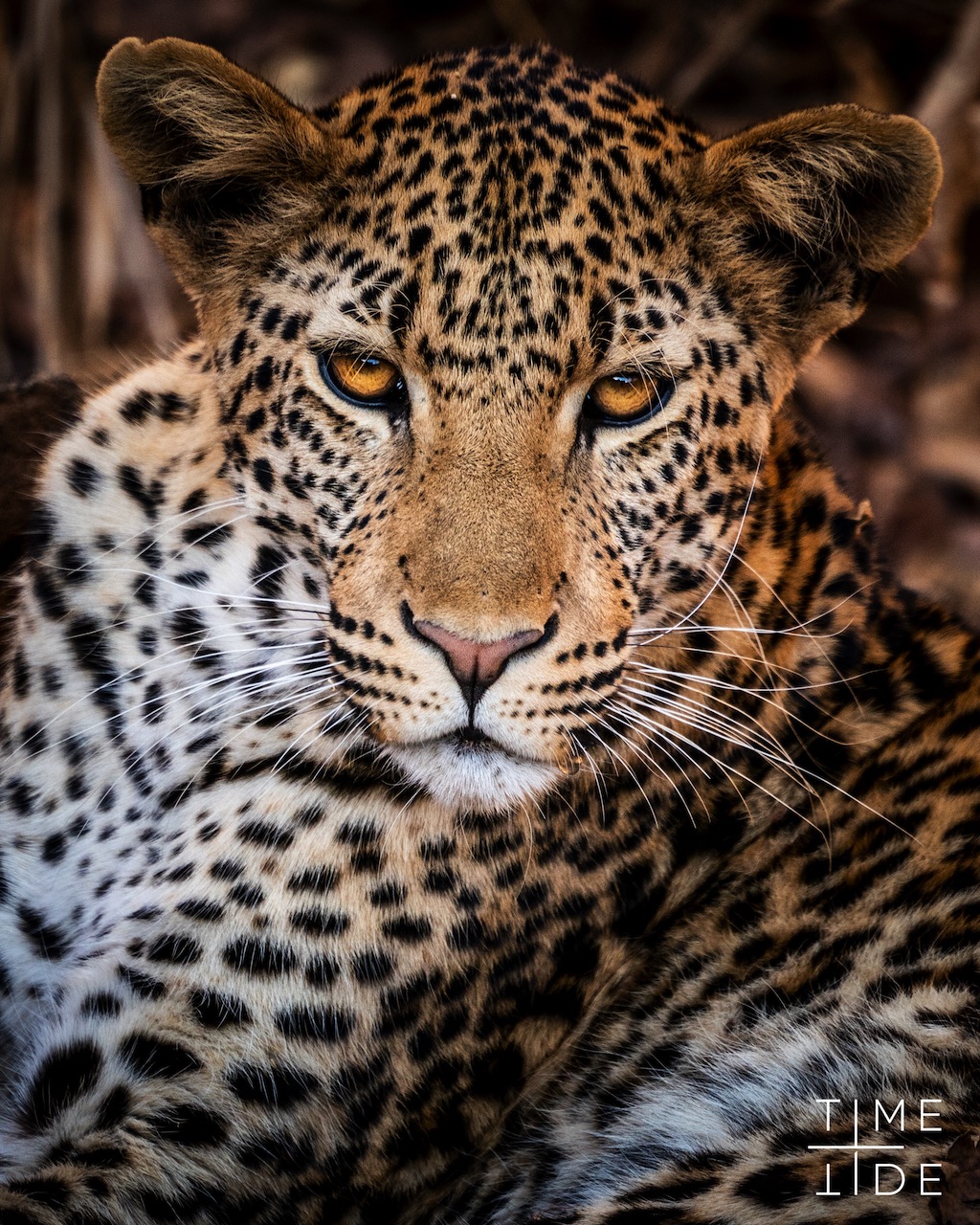
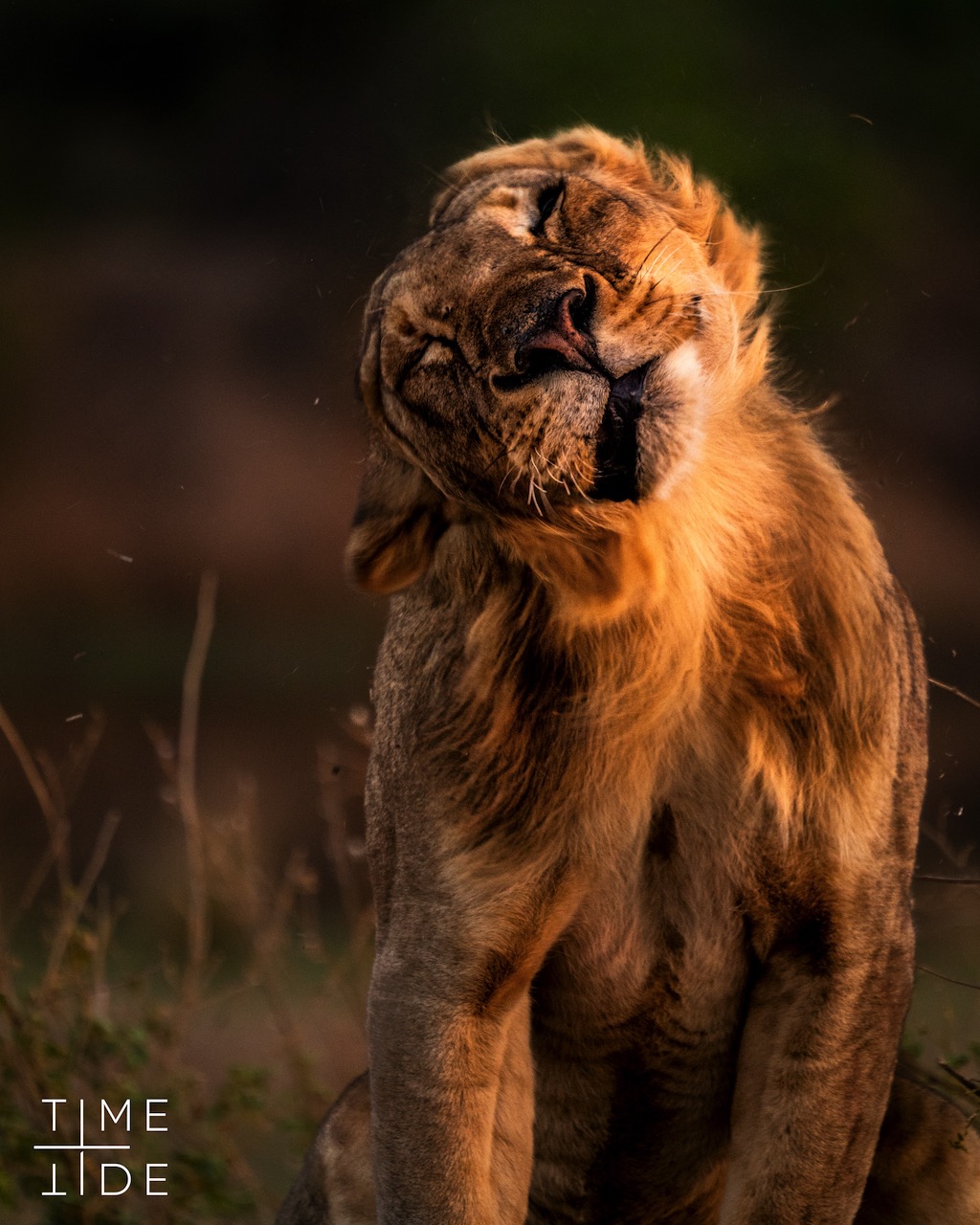
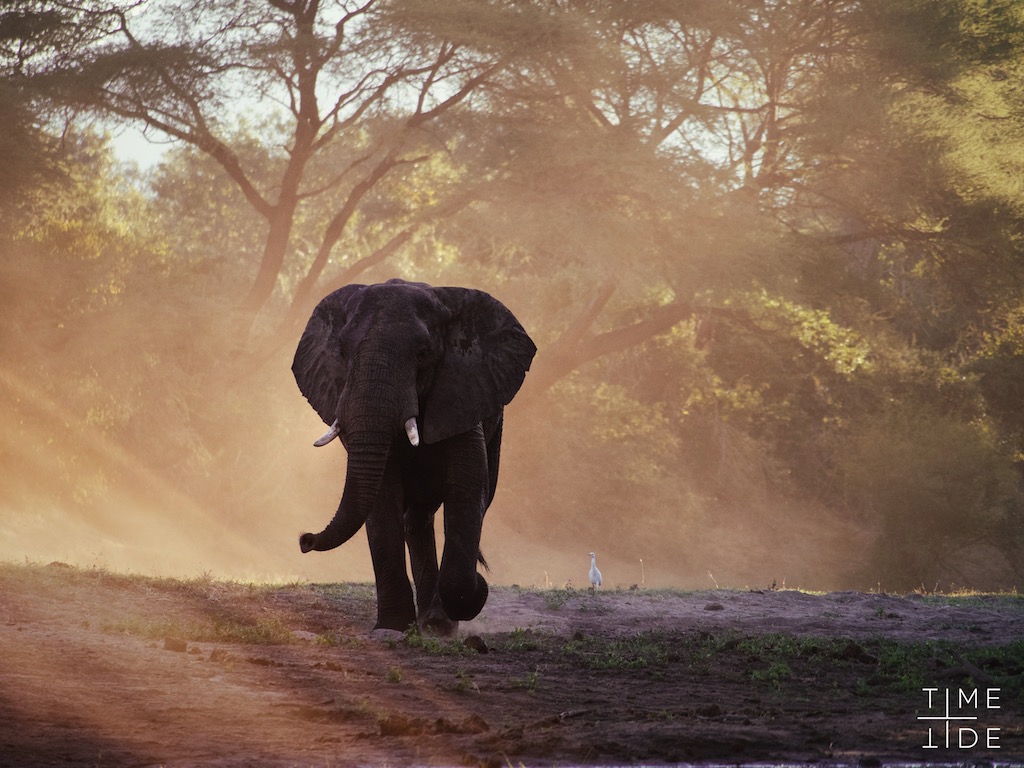
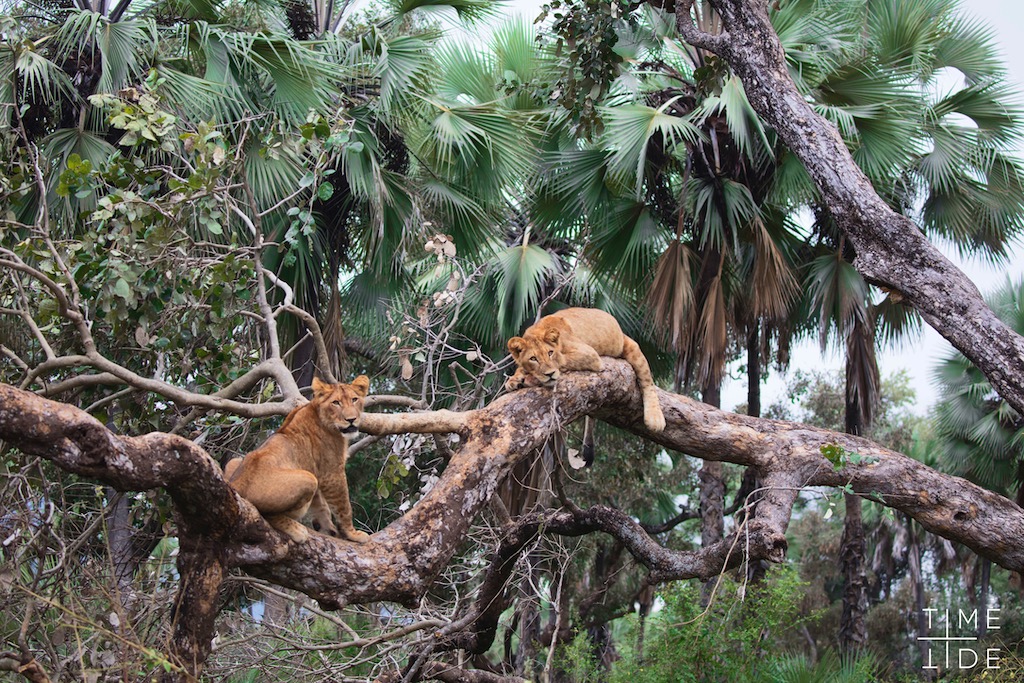
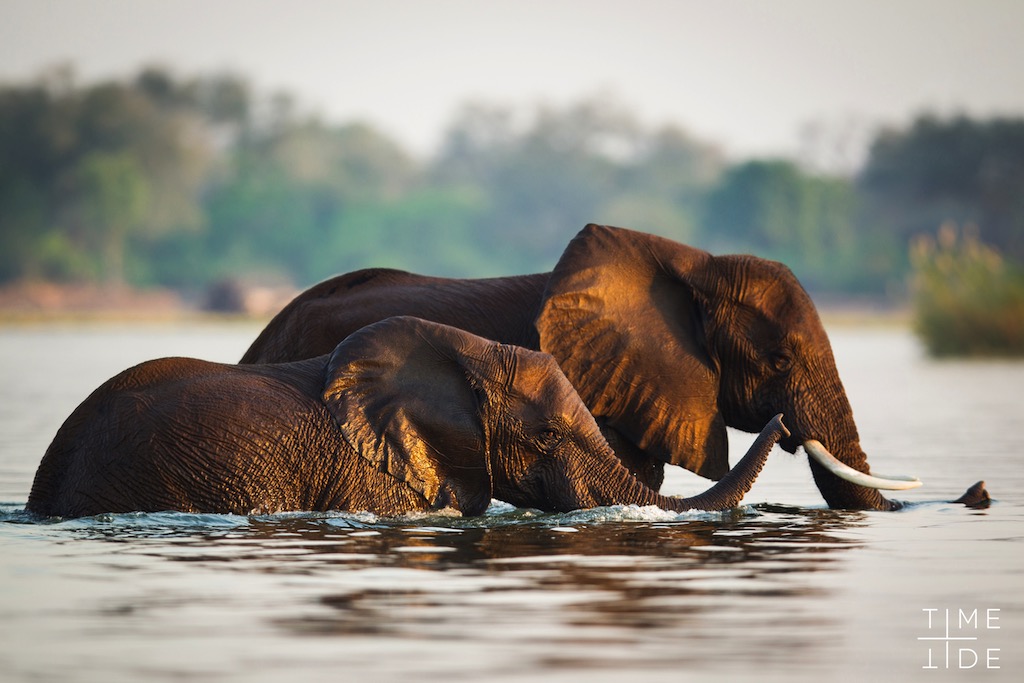
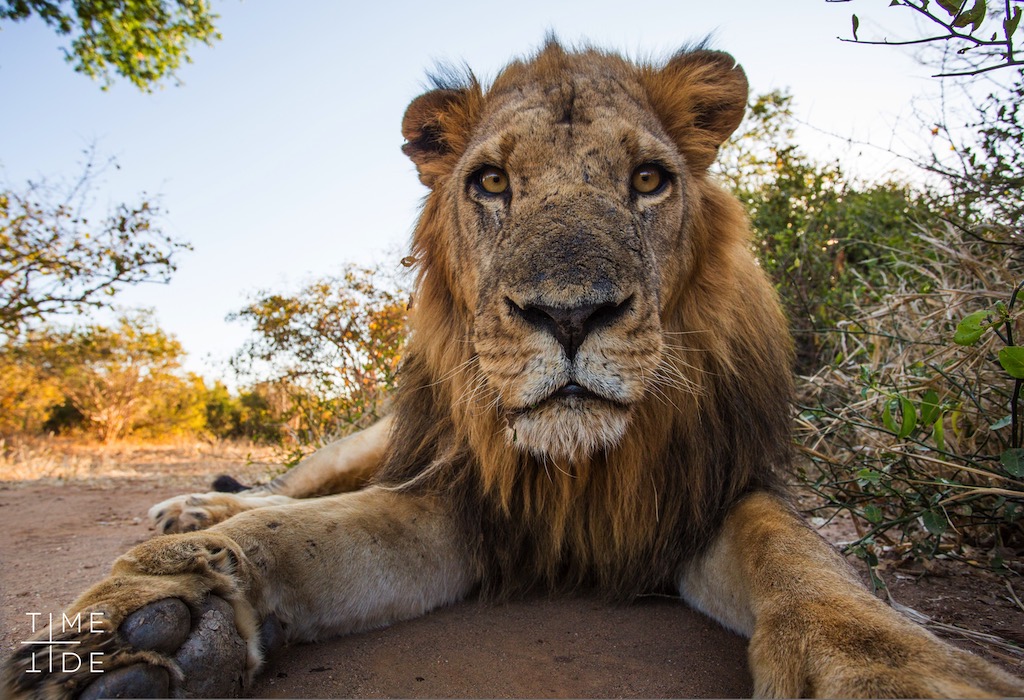
Even though the Lower Zambezi National Park covers an area of 4 092km² / 2 542mi², most of the game is concentrated along the valley floor. There is an escarpment along the northern end that acts as a physical barrier to most of the park’s animal species. Enormous herds of elephant, some up to a hundred strong, are often seen at the river’s edge. ‘Island hopping’ buffalo and waterbuck are common. The park also hosts good populations of lion and leopard, and listen too for the ubiquitous cry of the fish eagle.
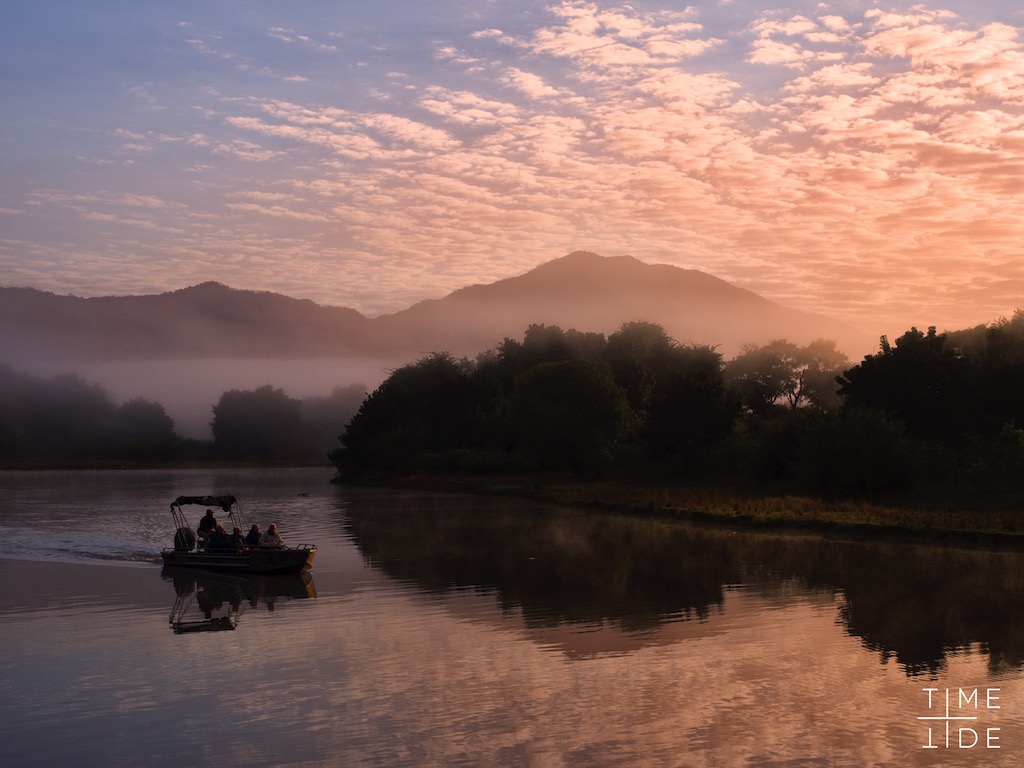
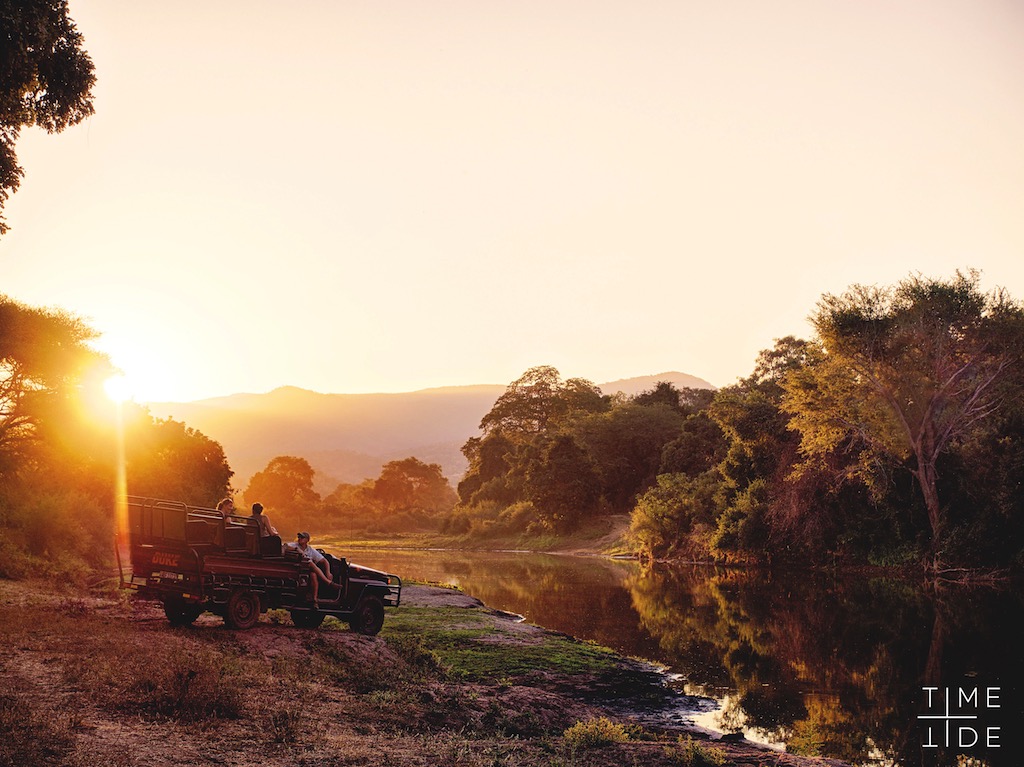
Despite its size, this section of the Zambezi is considered fairly calm and predictable, unlike the mercurial Luangwa River. For this reason, seasonal fishing, boating and canoeing are popular activities, especially guided kayaking through the channels. Look out for shy elephant along the way and magnificent flourishes of scarlet carmine bee-eaters at work on their nests in the riverbanks.
MORE INFO
FEATURED LISTINGS
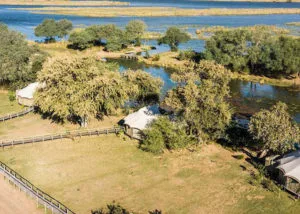
Dulini Anabezi
Type:Camp
Area: Lower Zambezi
Rate from $1254
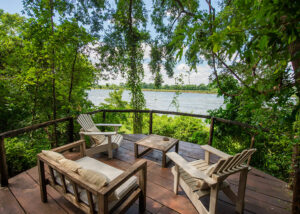
Kanyemba Lodge
Type: Lodge
Area: Lower Zambezi
Rate from: $210
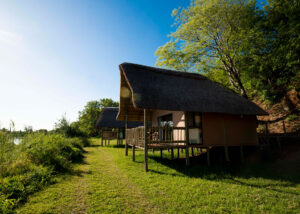
Nsofu Lodge
Type: Lodge
Area: Lower Zambezi
Rate from: ZK2 750
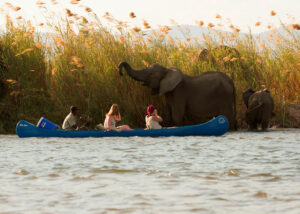
River Horse Safaris – Zambezi River Adventures
Type: Tour Operator
Location: Zambia
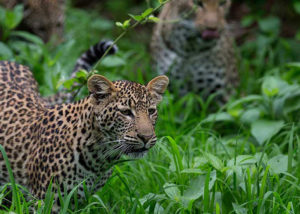
Royal Zambezi Lodge
Type: Lodge
Area: Lower Zambezi
Rate from: $475
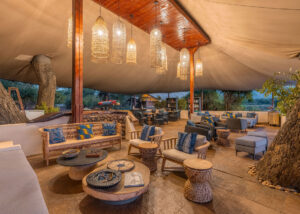
Time + Tide Chongwe Camp
Type: Bush Camp
Area: Lower Zambezi
Rate from: $810
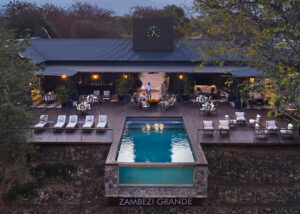
Zambezi Grande Private Game Experience
Type: Lodge
Area: Lower Zambezi
Rate from: $550


LATEST NEWS
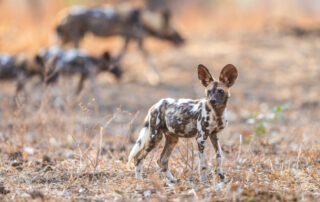
Wild Dogs Set Record for Long-distance Mammal Movement
Three male African wild dogs from Kafue National Park have completed the longest recorded mammal movement on the African continent, travelling 4 126 kilometres / 2 564 miles over nine months in search of new territory and mates. The litter mates, known as the Mayukuyuku males, departed their [...]
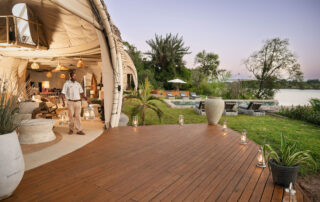
10 Years of Green Safaris: A Decade of Purpose, Place and Preserving Individuality
On 16 June 2016, the first guests arrived at Ila Safari Lodge. At the time, it was a single lodge on the banks of the Kafue River, built on a bold belief: that luxury tourism could be a force for [...]

Top Safari Operator Mobilizes Funds for Conservation and Education
The 2025 impact report shows that the Green Safaris Conservation Foundation (GSCF) has put USD410 000 towards education, community upliftment and wildlife preservation in Zambia and Malawi, where the company has renowned safari lodges. Highlights in Zambia include: Nearly 300 [...]
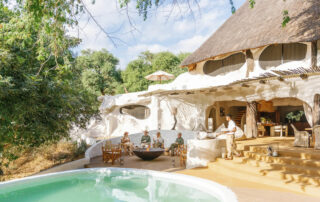
Chongwe River Lodges Reopen for 2026 Season
In line with the Zambezi river slowly slackening and the roads in Lower Zambezi National Park drying out, Chongwe River House and Chongwe Camp are both reopening in April 2026. Both Time+Tide properties offer soothing interiors, superb service and lovely [...]