
NORTH LUANGWA NATIONAL PARK
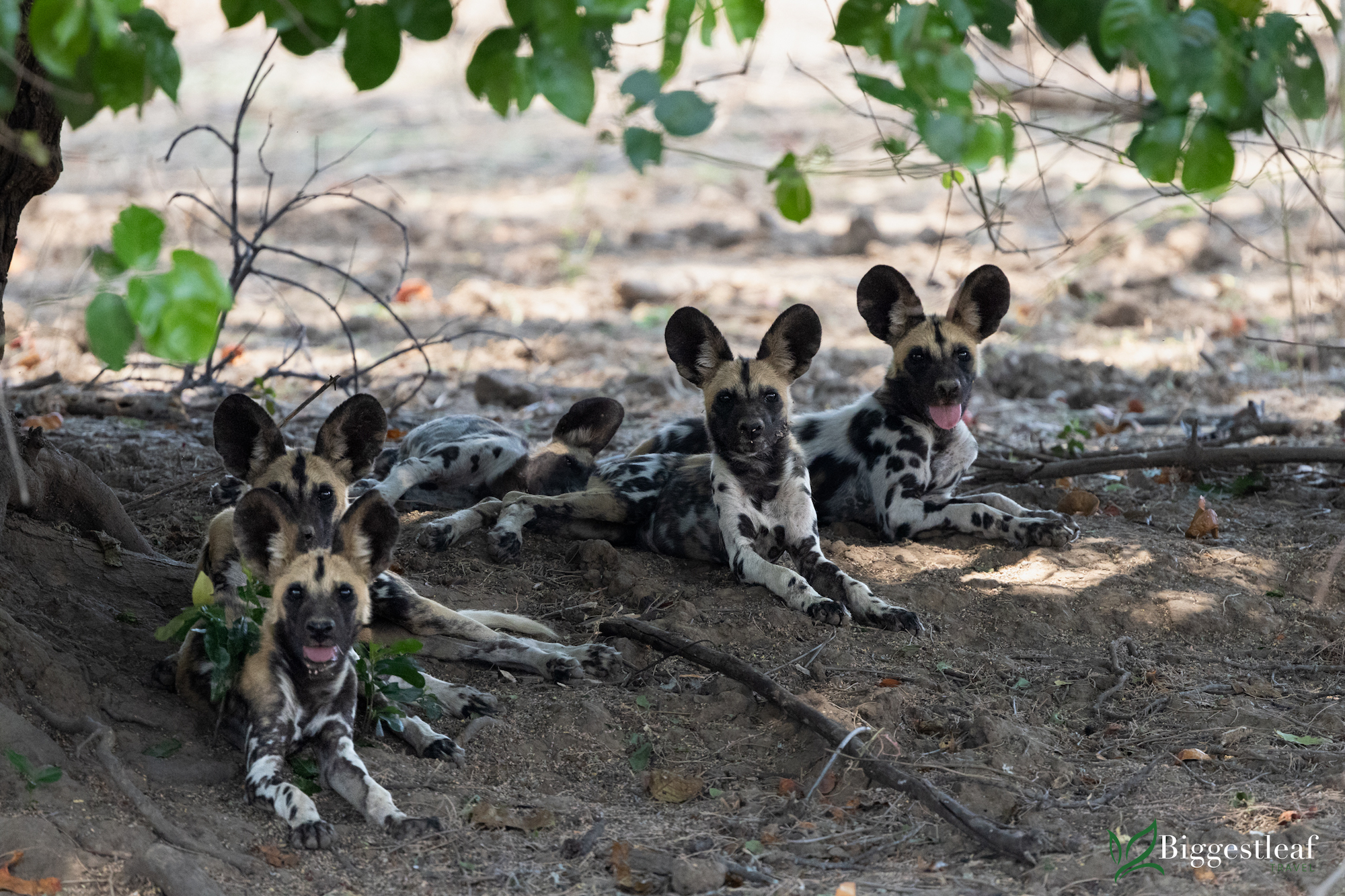
This remote tract of land, covering 4 636km² / 2 880mi², offers one of the finest wilderness experiences in Zambia, if not Africa itself. In addition to strong populations of buffalo, predators (including wild dog) and elephant, there is a stable population of black rhino within the Special Protection Zone (SPZ) that enjoys intensive safety precautions and limited access, making this a Big Five destination in some areas of the park.
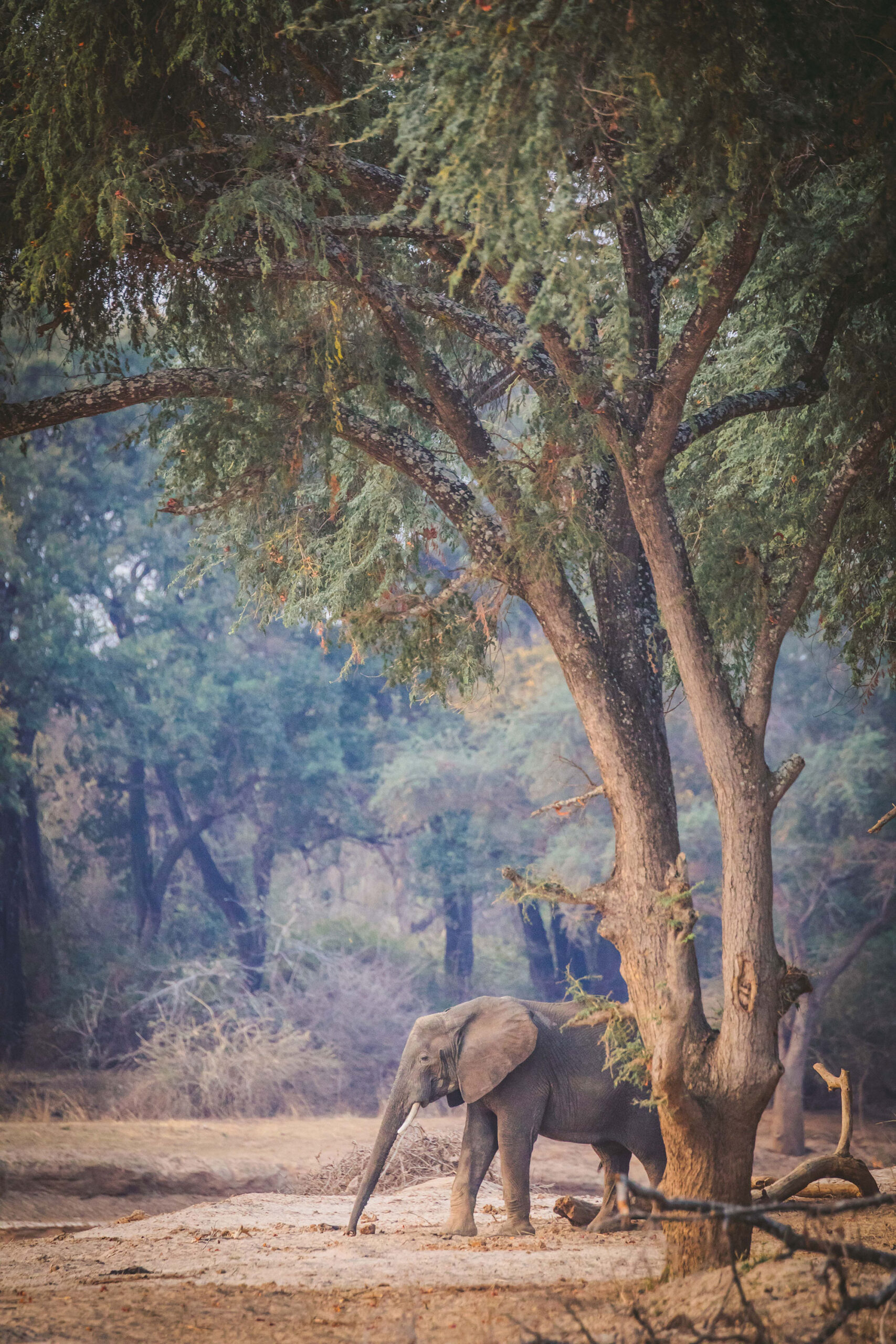
The beauty of visiting North Luangwa is the truly remarkable opportunities to experience Africa as it was. It is wild and untouched and you are simply an unobtrusive witness to its natural beauty and drama. Although declared a wilderness area, it was historically not open to anyone other than Game Department rangers for more than 30 years and was subject to rampant poaching through to the late 1980s. Remarkably, thanks to a strong partnership with Frankfurt Zoological Society, the park’s fortunes have been turned around and it now boasts the highest elephant population in the country alongside the significant increases in wildlife population numbers across the park and adjoining landscape as a result.
Park management sets a benchmark in Zambia for equitable and effective conservation measures and was admitted to the IUCN Green List of protected and conserved areas in 2022. Core to the success of this is the mission of ‘Linking Livelihoods and Landscape’, which centres on linking increased benefits to communities to conservation through employment and nature-based sustainable livelihoods initiatives.
The DNPW partnership with FZS has been strengthened with an ambitious 20-year agreement with a strong drive to promote domestic tourism and affordable access to North Luangwa.
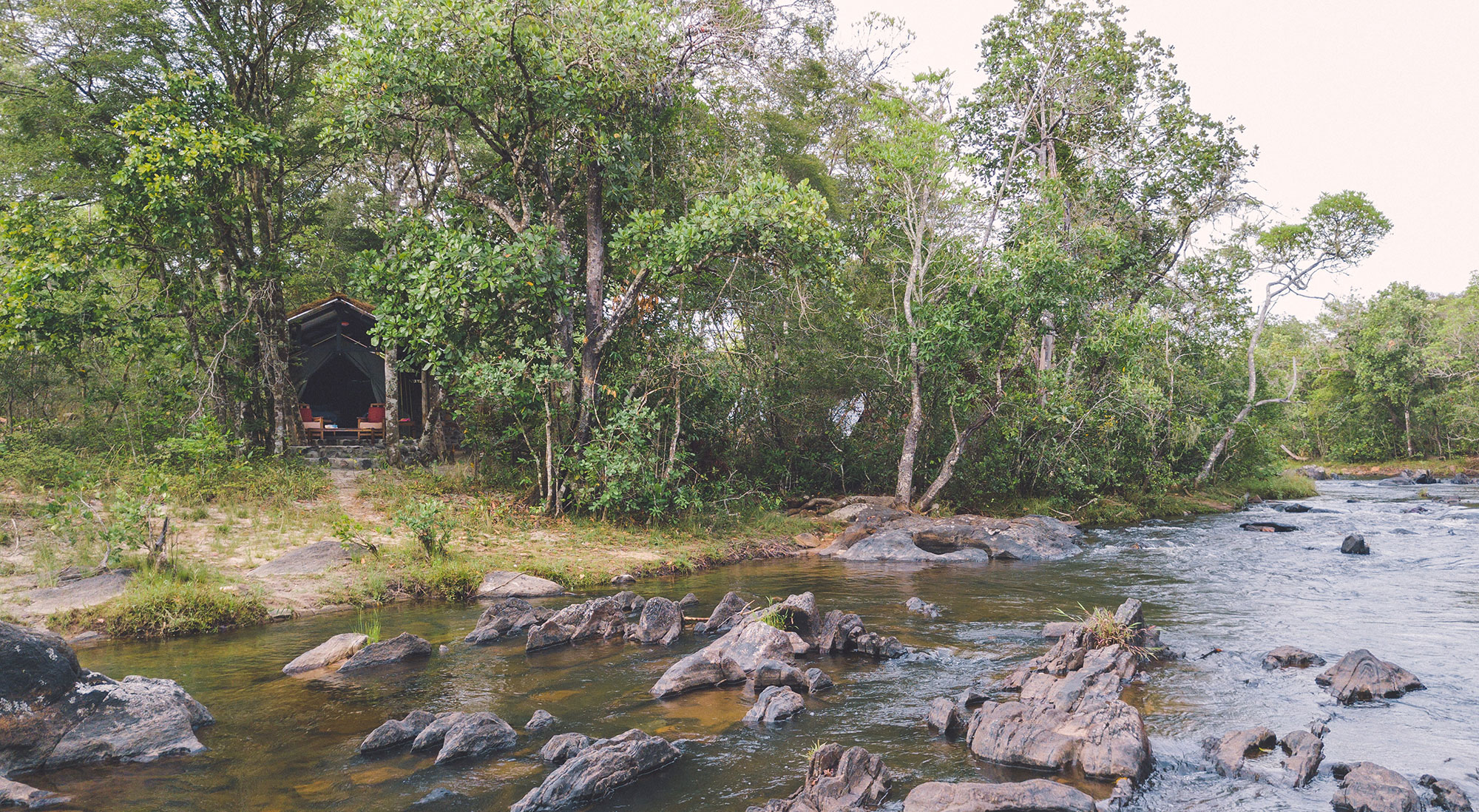
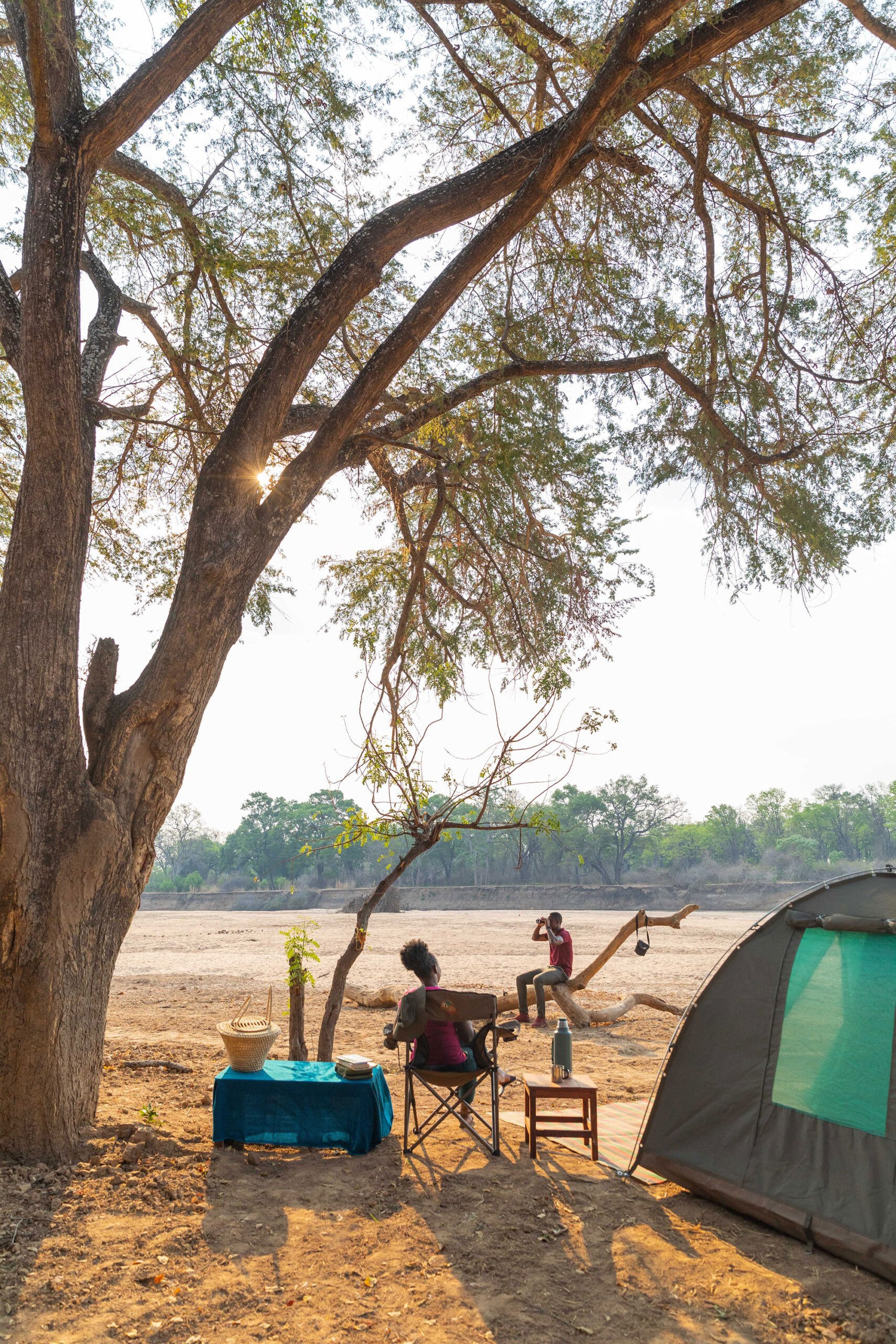
Under the name ‘Amatololo Experience’, the North Luangwa Conservation Programme (NLCP) has opened 200km / 124mi of self-drive roads outside the SPZ to allow for safe access to the national park along the Lufila and Luangwa Rivers. With additional support from NLCP, surrounding communities offer tented camps and campsites to enable affordable self-drive access and community benefit sharing linked to the conservation programme and the pristine wilderness of the landscape.
Like South Luangwa National Park, it lies on the western bank of the Luangwa River bordered on the other side by the dramatic Muchinga Escarpment which rises over 1 000m / 3 280ft from the valley floor. In North Luangwa, unlike SLNP, the escarpment and its foothills are accessible to self-drive tourists, providing access to the stunning miombo woodland and rivers flowing through the escarpment.
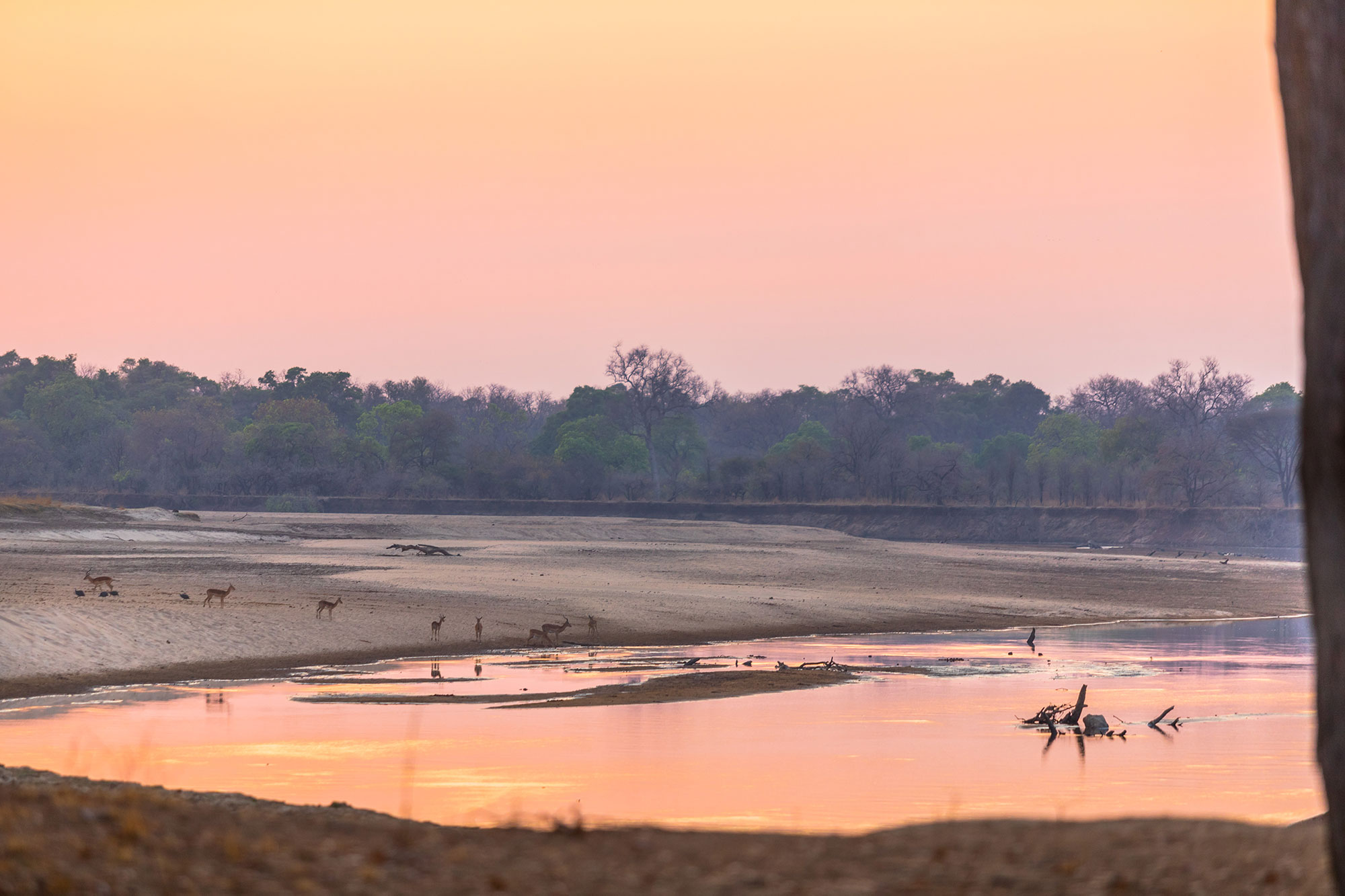
There are a number of tributaries running through the park and into the Luangwa that play an important ecological role in the area; two of these are perennial – the clear-flowing Mwaleshi and Lufila rivers flow down the escarpment in a series of small waterfalls before meandering across the valley floor to the Luangwa river.
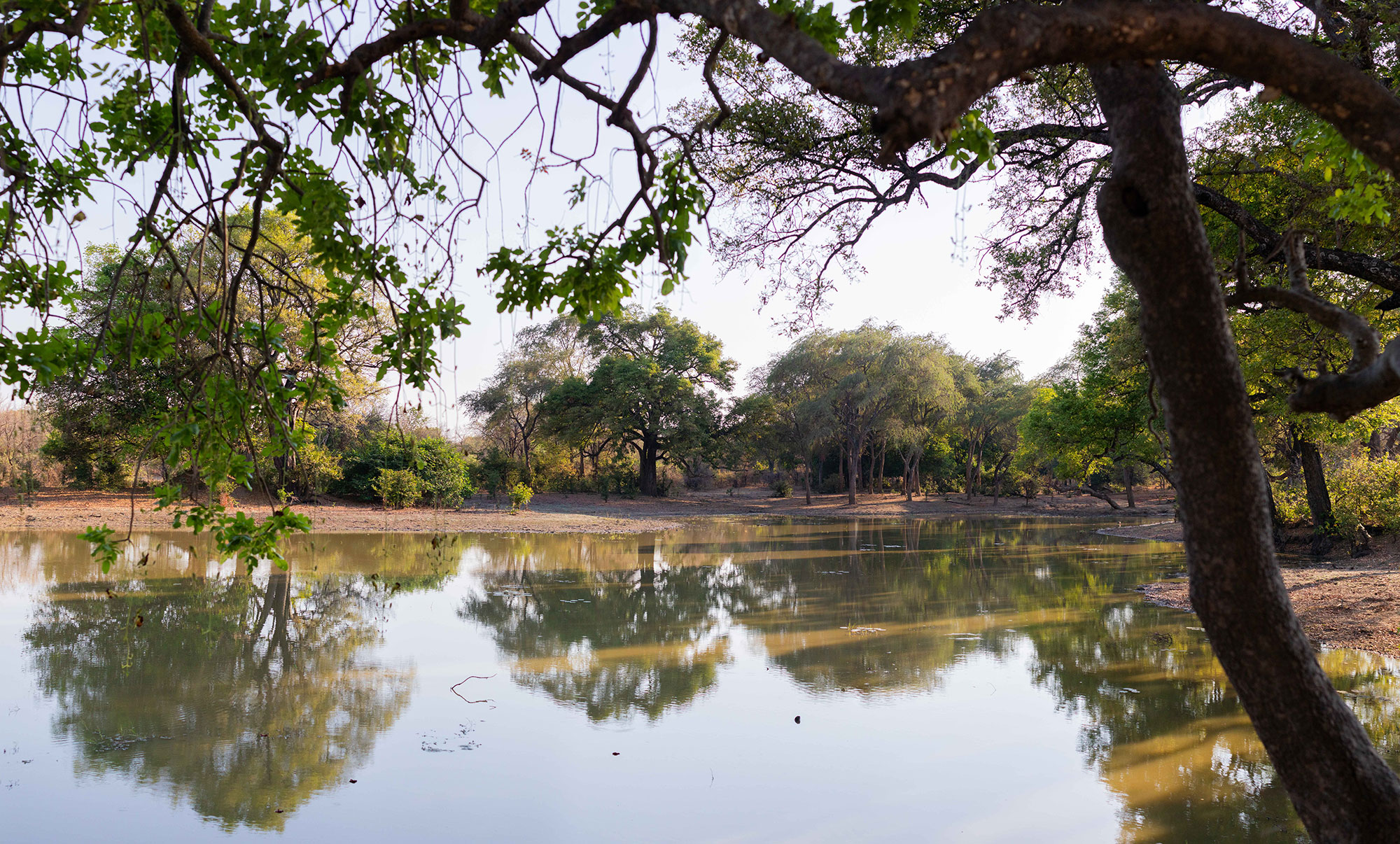
The vegetation ranges from cathedral mopane woodland through terminalia and burkea woodlands with riparian vegetation along the rivers; there is also some open grasslands and alluvial thicket leading to Miombo forest in and over the escarpment. Trees include the beautiful sausage tree, old gnarled mopane trees, ebony groves, vegetable ivory palms, red mahogany, leadwoods and mature canopies of brachestegia and julbernadia dominated miombo and for those tree enthusiasts the Trapnells Beak Pod Acacia (Aphanocalyx trapnellii) a rare find in Zambia, found along the Mwaleshi river in the escarpment, near the park entrance at Mano.
WHAT TO DO IN NORTH LUANGWA NATIONAL PARK
With 200km / 124mi of self-drive roads in the National Park and affordable accommodations in the adjoining GMAs, a road trip is definitely in order. Her are some pointers for how best to enjoy your trip to North Luangwa:
Avoid towing a trailer: The North Luangwa Pontoon does not accommodate a vehicle and trailer. It is possible to unhitch the trailer and winch it onto the pontoon (if your vehicle has a winch) and a second vehicle (with winch) is required on the other side to winch the trailer off the pontoon again. While this is possible, it is strongly discouraged and can cause delays for other pontoon users. It is best to avoid travelling with a trailer for your convenience and peace of mind.
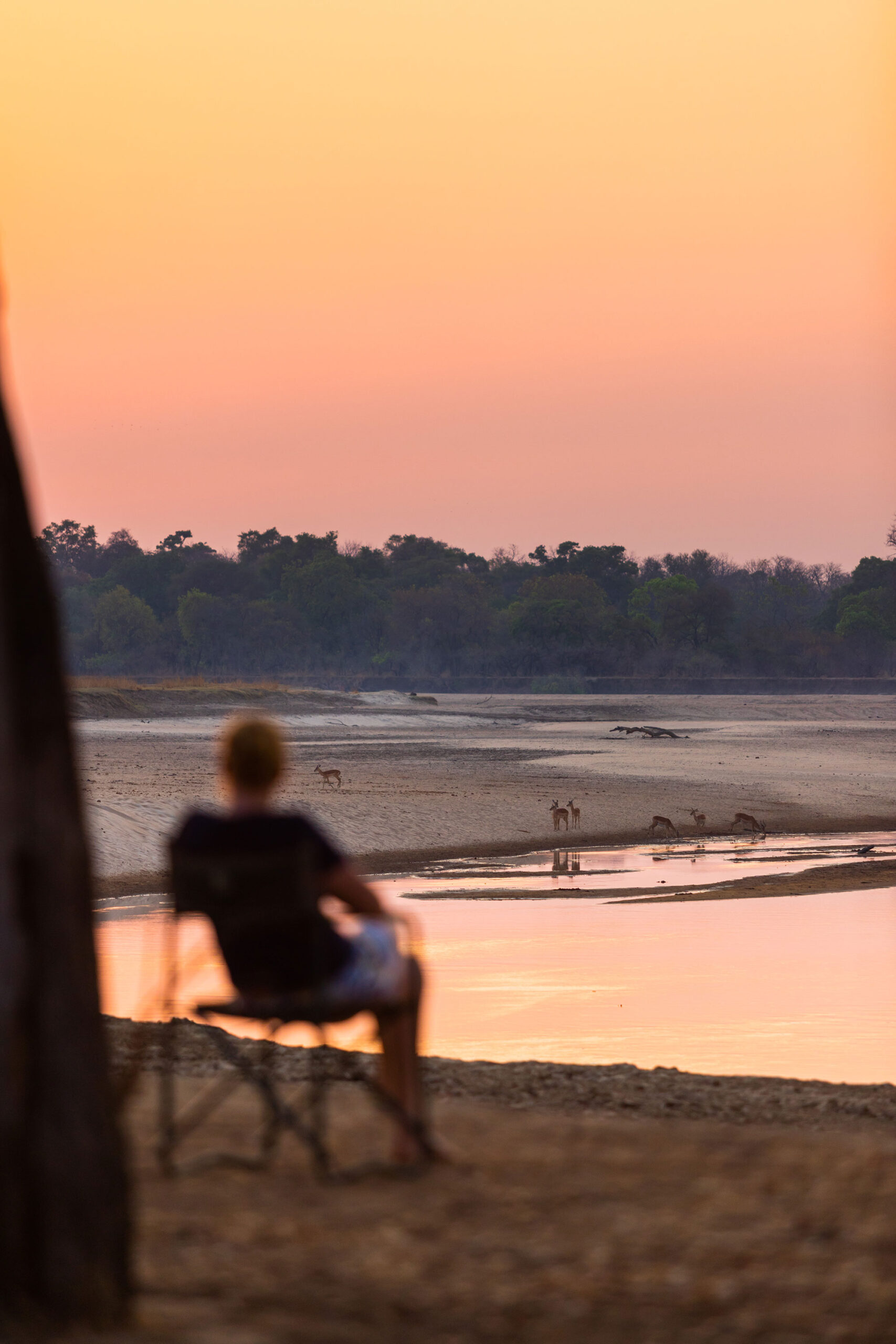
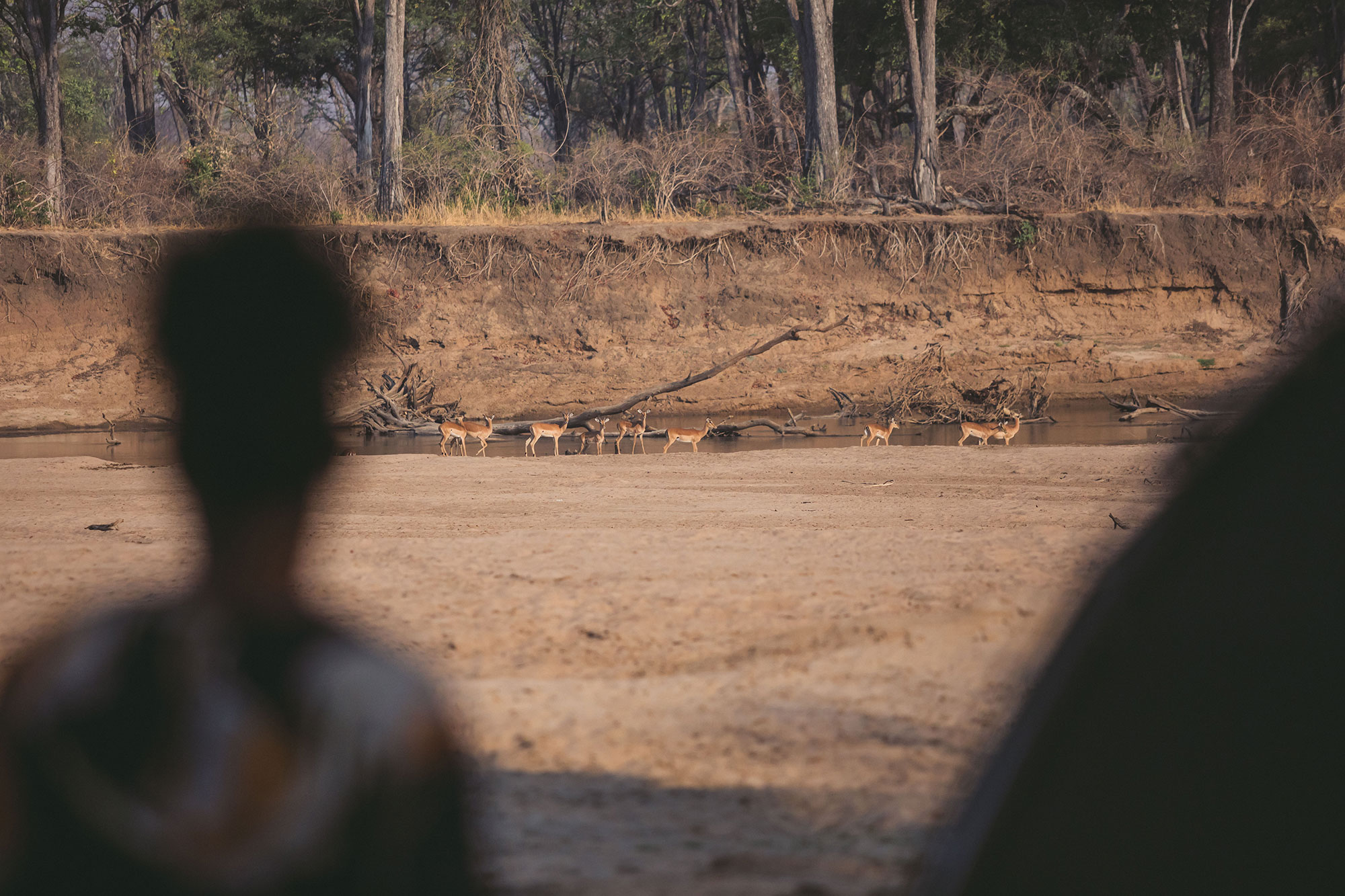
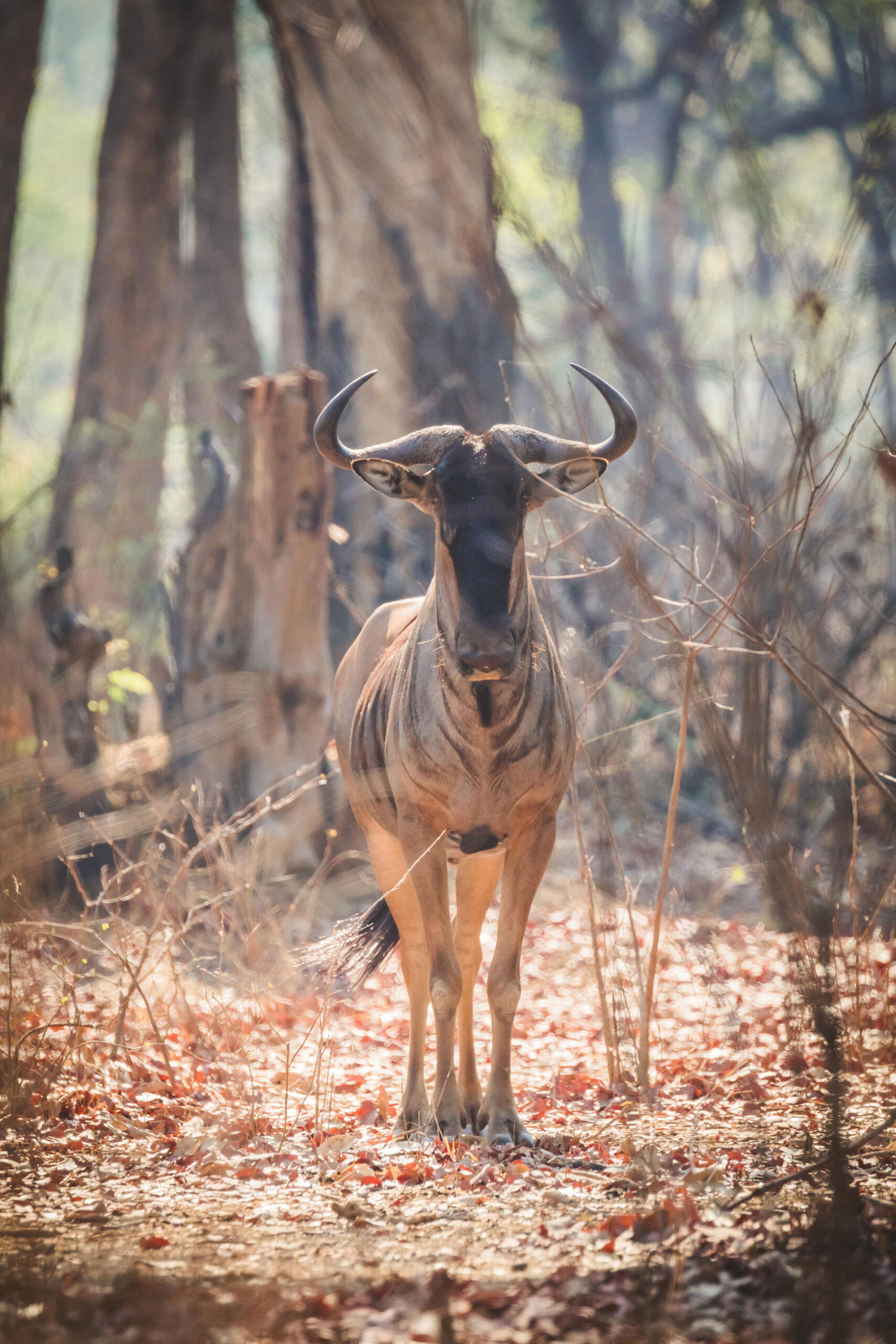
Take it slow: The Amatololo Loop is best taken slowly, zooming around checking off species is not the way to enjoy it. The loop is established to provide access to the pristine landscape with varying scenes including Delia lagoon, cathedral mopane, winterthorn forest and various spots overlooking the Luangwa. Take a tea break, sit and relax in the setting and let the birds and animals come to you. North Luangwa wildlife have enjoyed decades of little interaction with humans, so they are not as familiar with vehicle traffic and may not stick around to pose for photos as with other more high-traffic national parks. The patient observer, happy to just be in this wilderness, can be richly rewarded.
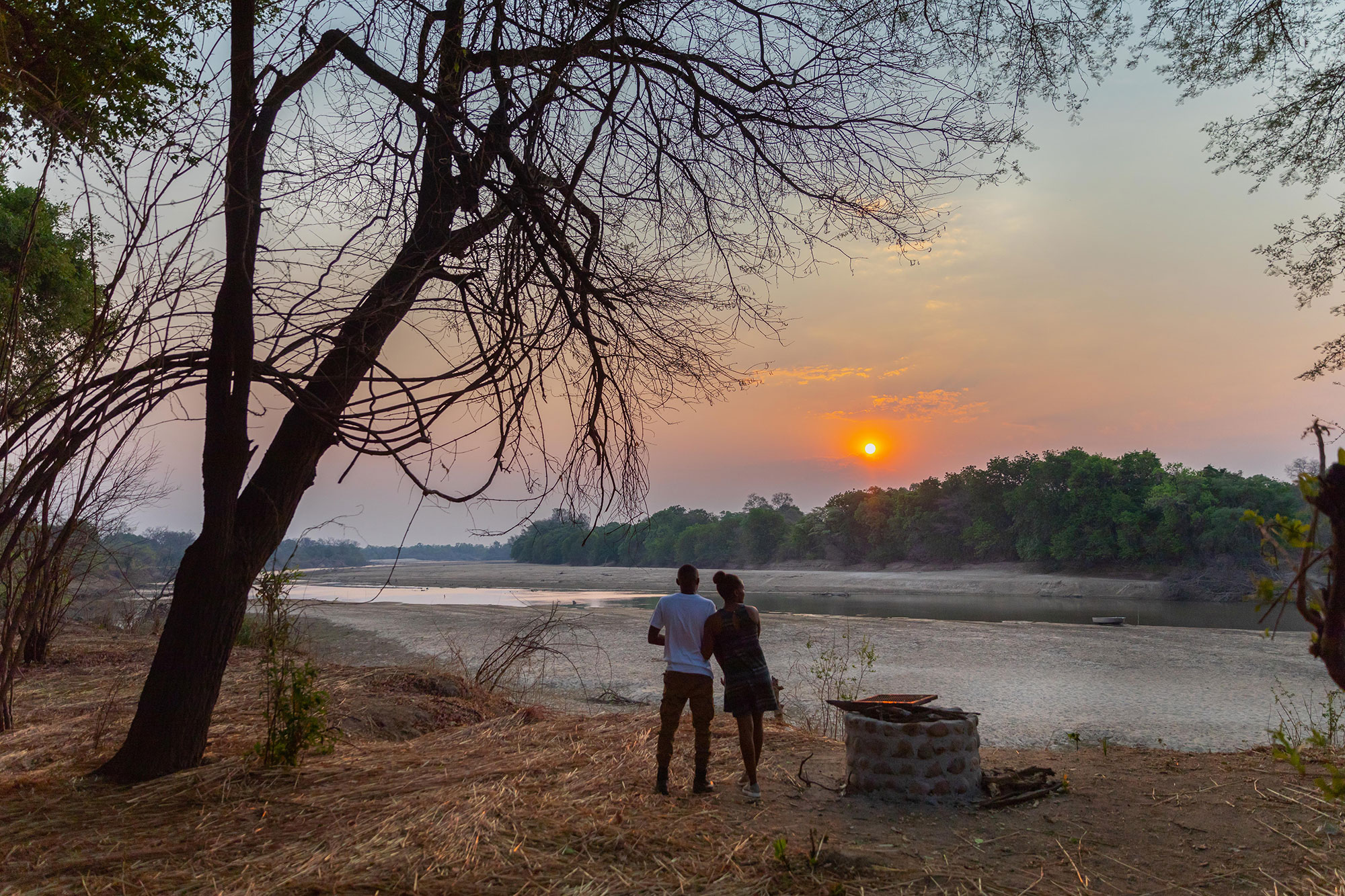
Maintain the peace: The beauty of North Luangwa is best enjoyed in solitude. It is one of the few national parks with tourism facilities that is designed for low traffic, low impact use. Please be mindful of the experience of other users. Don’t crowd picnic spots or viewing points. Ensure you book a campsite (we do not allow more than one booking per site). If you see animals, please give them space.
Be prepared: There are no filling stations or shops in North Luangwa National Park. While equipped with hand water pump and long drop toilet, the Mushika, Muzungwe, Nkolo and Lufila Campsites on the loop are not manned, please be prepared for self-sufficiency and solitude in the park and leave the camp as you found it for the next user.
Respect the rules: North Luangwa Conservation Programme is one of the premier conservation programmes in the region and achieves extremely favourable conservation results. This is a direct result of park traffic management, which reduces the risk of illegal activities in the Special Protection Zone. Be aware that if you are using the main transit road through the park, you will travel through the SPZ and access to areas off the track is prohibited. Roads are closed with no-entry signs which should be adhered to. The Amatololo Loop will take you on a route which avoids this area and allows you more freedom to explore.
MORE INFORMATION
FEATURED LISTINGS
Mwaleshi Camp
Type: Bush Camp
Area: North Luangwa
Rate from: $591
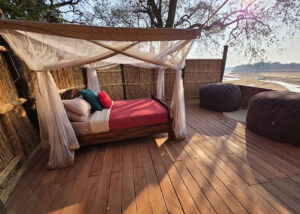
North Luangwa Skybeds
Type: Bush Camp
Area: North Luangwa
From: $495
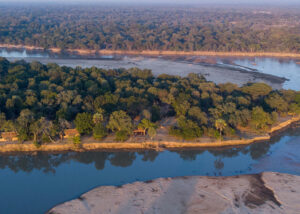
Takwela Camp
Type: Bush Camp
Area: North Luangwa
Rate from $664


LATEST NEWS
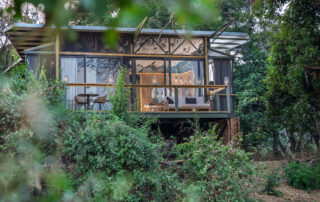
New Premium Units at Shawa Luangwa
Shawa Luangwa by Green Safaris has begun a new chapter with the introduction of two new Premium Units, adding more space and privacy while retaining the intimate character that has always defined the camp. Overlooking the Luangwa River near the [...]
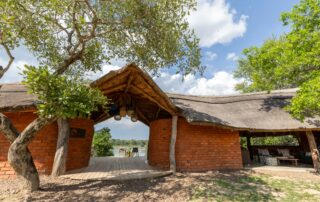
Mawimbi Remains Fully Operational Following Main Area Fire
Mawimbi Bush Camp in Kafue National Park remains fully operational following a fire, with no injuries reported and rebuilding plans underway ahead of the 2027 season. Close to midnight on 8 September 2026, fire broke out in the main guest [...]
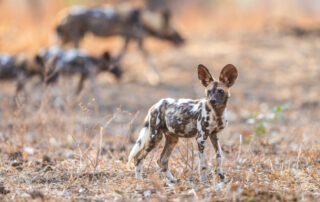
Wild Dogs Set Record for Long-distance Mammal Movement
Three male African wild dogs from Kafue National Park have completed the longest recorded mammal movement on the African continent, travelling 4 126 kilometres / 2 564 miles over nine months in search of new territory and mates. The litter mates, known as the Mayukuyuku males, departed their [...]