LUSAKA

Lusaka is a city whose bustling chaos
has a certain charm that is
just Zambia.
The tourist
passing through the capital may not see any reason to stay, but Lusaka is the product of a
country battling to find its way in a new world, caught between colonial beginnings, years
of socialist independence and now democracy. It typifies the problems many African
countries face as they find their "independent" footing in world thats
surging ahead.

The fascinating thing about Lusaka is its energy. Not
perhaps of the same ilk as the Big Apple, but an African energy, propelled by that need to
survive.
Lusaka is as much a part of "the real Africa" as
the rich national parks and stunning scenery. Well over 60% of its 2 million inhabitants
are unemployed, but there are surprisingly few beggars. Although petty theft occurs, most
people try to make an honest living, selling their wares or services and smiling to boot.
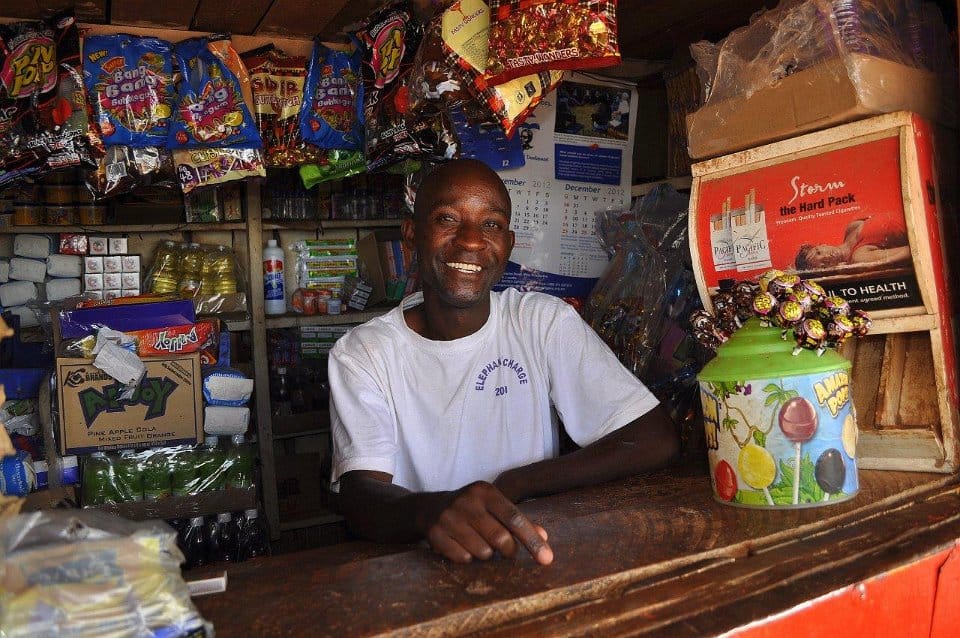
The markets are a hive of activity, the
thousands of stalls are filled and cleared every day. A myriad of motor spares dealers, restaurants, hairdressers,
fishmongers, fruitsellers and rows and rows of "salaula" - discarded clothing
from the West sold to Africa by the bale.
Venture out to a nightclub or roadside shebeen and
"get in the groove", so to speak, of the local people. Dance the night away to
the sounds of rhumba, kwela, techno or good old rock 'n roll.

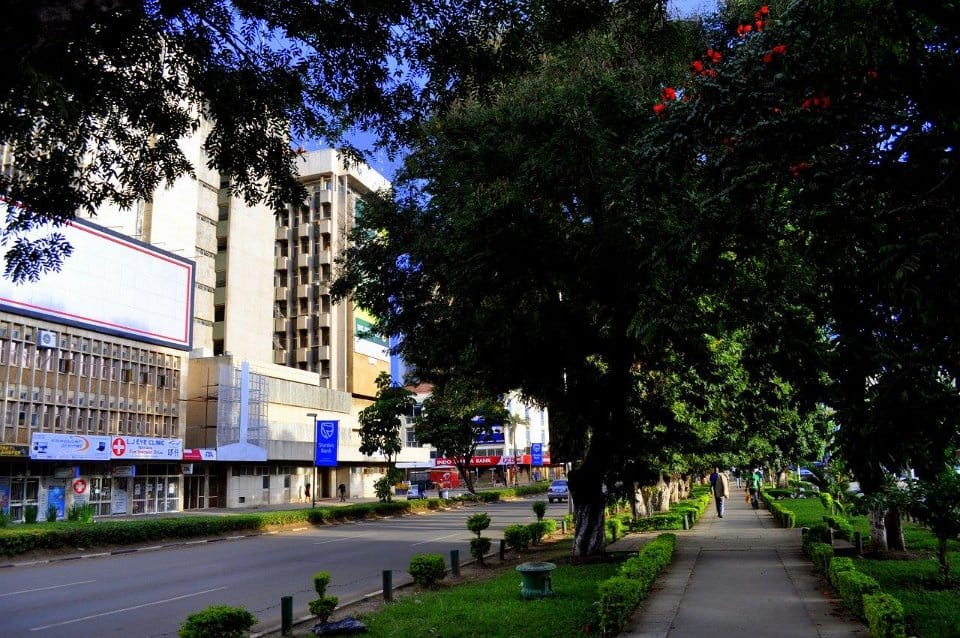
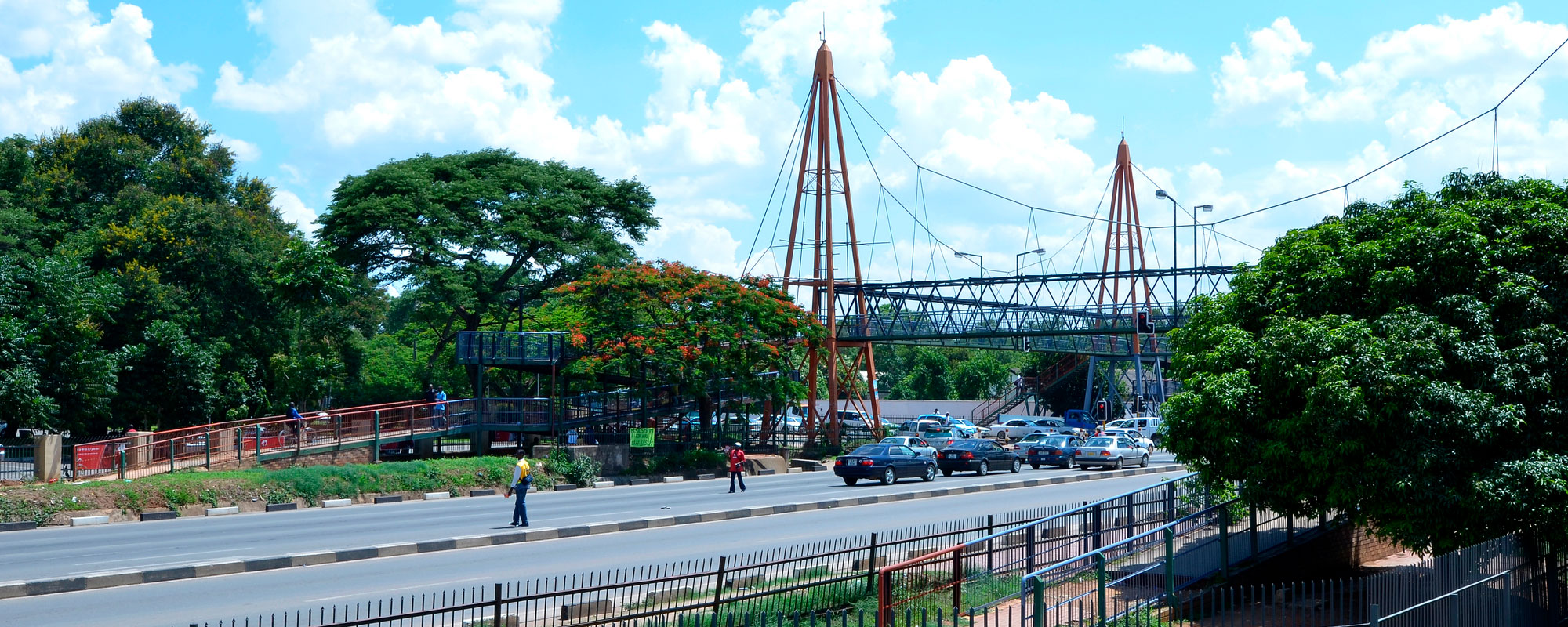
But Lusaka is also a city undergoing a facelift. A
walk around the city will reveal new shops-including a new market and a multi-million
dollar shopping mall under construction; smart fast food outlets; new double
carraigeway roads, old
buildings being refurbished and the transformation of the city's parks.
For many, this is the
perfect example of what economic liberalisation has done for the country. And viewed from
the villages, Lusaka is the glittering capital which still persuades rural Zambians to
take the bus there in search of jobs and dreams.
The capital covers an area of over 70km sqare and is one of the fastest-growing cities in central Africa.
Its population almost trebled in the immediate post-independence era and continues
to grow daily. There has been no influx control and the city is bursting at the seams.
Grossly inadequate municipal facilities are hard-pressed to cope with the ever-increasing
demand.
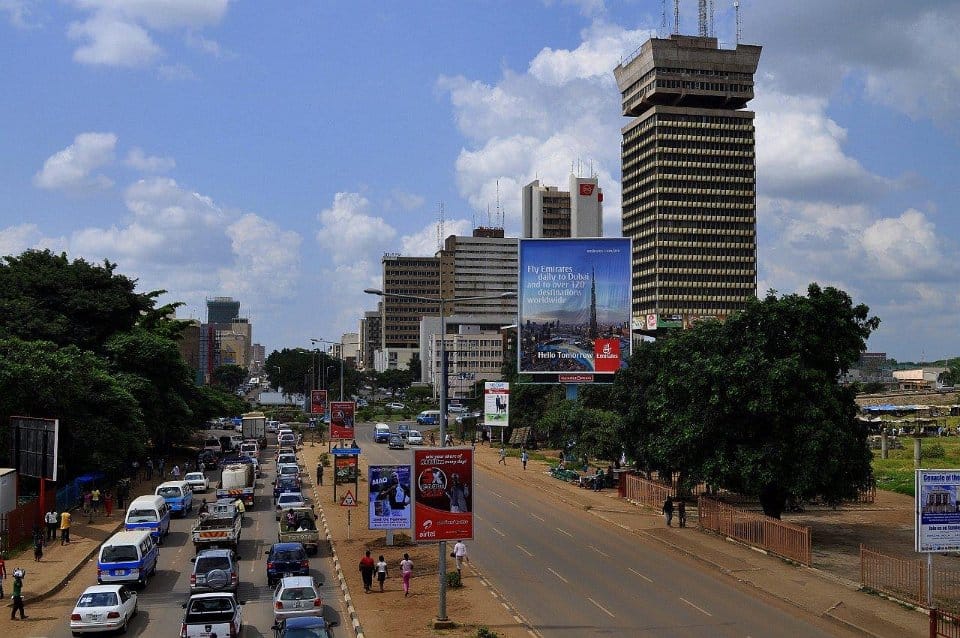
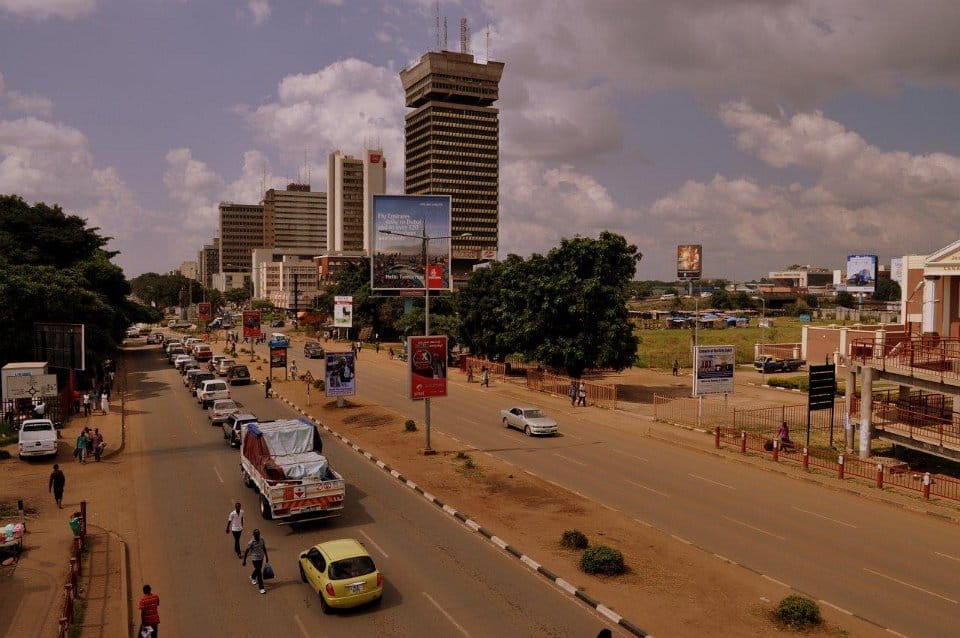
It is a sprawling, unplanned metropolis with many
multi-storey buildings, high-walled suburbs and busy shanty towns. Fast-growing industrial
development has brought together people of many nationalities, making it a bustling centre
for economic, political and cultural activities.
The city lies at the junction of the main highways to the
north, east, south and west at an altitude of 1 300m above sea level. There are air links
to most of the major tourist destinations in Zambia from Lusaka International Airport.
The shops are mainly grouped along the broad double
carriageway of Cairo Rd, but the government buildings are about 6km away along
Independence Ave.
For maps of the city, try the
Zambian National Tourist
Board, the craft shop at the Pamodzi Hotel or the Map Centre, Mulungushi House, opposite
the US embassy.
There is a local magazine called the
Lusaka Lowdown
which is a mine of
information on what's happening in town and full of useful adverts for local services and
products. Check out the online version.
Climate
The most appealing factor to many who have made Lusaka
their home is the superb climate. Warm sunny summers, interspersed with cooling
thunderstorms and mild winters with loads of sunshine.
It can get very hot between October and March if
theres no rain. The average rainfall, between November and April, is about 950mm.
Summer temperatures range from 20 degrees to 32 degrees C. Winter temperatures from 10
degrees to about 26 degrees. Humidity is usually below 40%.
Restaurants and Nightlife
Click
here for a full list of
restaurants including coffee shops, take aways,
night clubs, pubs as well as their phone numbers.
Shopping
Most of the banks and many bureaux de change can be found
along Cairo Road.
For groceries and general supplies,
the newly opened Manda Hill shopping centre is where it's all at. This is
Lusaka's first shopping mall and it's becoming a big hit with an excellent
range of shops and boutiques. There's also a big supermarket in Cairo
Rd. There are several suburban
shopping centres, not of the mall type, but with a variety of shops that usually supply
anything you need, mostly imported from Zimbabwe or South Africa and a little pricey.
These are called Kabulonga, Northmead and Woodlands.
If not for shopping, but just for the experience of how the
local masses shop, a visit to one of Lusakas markets is a must. Its an
interesting experience and well worth a visit, if just for the colourful and lively
atmosphere. The Soweto Market is two roads west of Cairo Road, and the other opposite the
Tazara building in Independence Ave. A new, smarter, roofed market has just been built
along Freedom Way.

Curios and crafts can be found at
Zambili in Luanshya Rd. The Book House shop, in the Manda Hills Shopping
Center. Zintu Handicrafts are at the Holiday Inn. Moore
Pottery on Kabalenga Road has an excellent range of ceramics, and Zintu Za Nyimba at the
bottom end of Panganani Road sells a wide range of locally made wooden furniture, batiks,
candle holders, lamps shades, hand-dyed cloths and carvings. Definitely worth a visit.
Hope House in Luanshya Road is a charitable organisation providing support to Aids victims
and sell a range of home-made crafts. Every last Saturday of the month
there is an excellent craft market in Kabulonga suburb at the Dutch Reform
Church grounds.
For Gemstones and fine jewellery,
try Jagoda at the Holiday Inn or the
Intercontinental Hotel.
You can buy film and get photographs processed at
Phoenix Photographics halfway down Cairo Road. Books can be found at Tower
Books at the Castle in Makeni, the Book House SHop at Manda Hills and Mary's
Bookshop on the Leopards Hill Rd.
A word of warning - Lusaka is famous for car thieves,
pick-pockets and bag snatchers, but if you have someone who can mind your vehicle and keep
a good grip on your bags, its quite safe.
Sporting
Facilities
There are several sports clubs in Lusaka which offer
facilities for golf, tennis, swimming and squash. For golfers, theres the Lusaka
Golf Club, Chilanga Golf Club and Chainama Hills Golf Club. The Lusaka Club offers bowls,
tennis and squash. Polo is a popular sport, especially among expatriates, and the polo
field at the showgrounds usually has matches on the weekends. Hash House Harriers organise
walks and runs on Saturdays at 15h00. Several swimming pools are available. The large
Lusaka City Council swimming pool just off Lubu Road is open every day except Mondays from
10h00 to 18h00. One can also use the pools at the Intercontinental and Pamodzi hotels at
modest prices.
Convention
Centres
Mulungushi Hall: The main hall can accommodate up to 2 000.
Four other committee rooms can take from 40 to 200 people. There is a simultaneous
translation service and proceedings can be transmitted on closed-circuit television.
The
Inter-Continental
Hotel, Pamodzi, Holiday
Inn, Lilayi Lodge,
Chaminuka Private Game Reserve
, Ndeke Hotel and Hillview Hotel also
have full conference and banqueting facilities.
Getting
There
Lusaka is close to the centre of Zambia between the eastern
and western bulges. All major routes to the east, west, north and south flow
through the city.
The Great North Road comes down from
Tanzania via Kapiri Mposhi, and is about 1 100km from the Tanzanian border.
The Great East Rd from Chipata to Lusaka
is 570km.
The road from
Livingstone
in the south meets up with the "Kafue Road" and is 470km long. From the
Chirundu border with Zimbabwe, the route is well paved and 136km long.
The Mongu road coming in from the west via
the Kafue National Park is 591km long.
The domestic railway goes to Livingstone,
Kapiri Mposhi and the Copperbelt. The Tanzania Zambia Railway - Tazara - comes down as far
as Kapiri Mposhi, where the Zambia Railways train links it to Lusaka. Buses arrive from
Harare, Lilongwe, Johannesburg, Livingstone and the Copperbelt.
Lusaka International Airport, which is
14km from the city centre, receives most international flights.
Zambian
Airways will flies to and from Johannesburg and currently has
scheduled flights to Mfuwe,
Chipata, the Copperbelt and Livingstone.
Proflight and Airwaves
have scheduled flights to Livingstone, Lower Zambezi and Mfuwe.
InterAir
Flies into Ndola from Johannesburg and Entebbe from where a connecting
flight to Lusaka can be taken.
Getting around
No scheduled bus services - taxis range from
12 seater minibuses to dilapidated cars to good dial up cabs to chauffeur
driven vehicles.
See Car
Hire Companies
Try
www.travelshopzambia.com
based in Lusaka for tours around Zambia
|