BUSANGA PLAINS
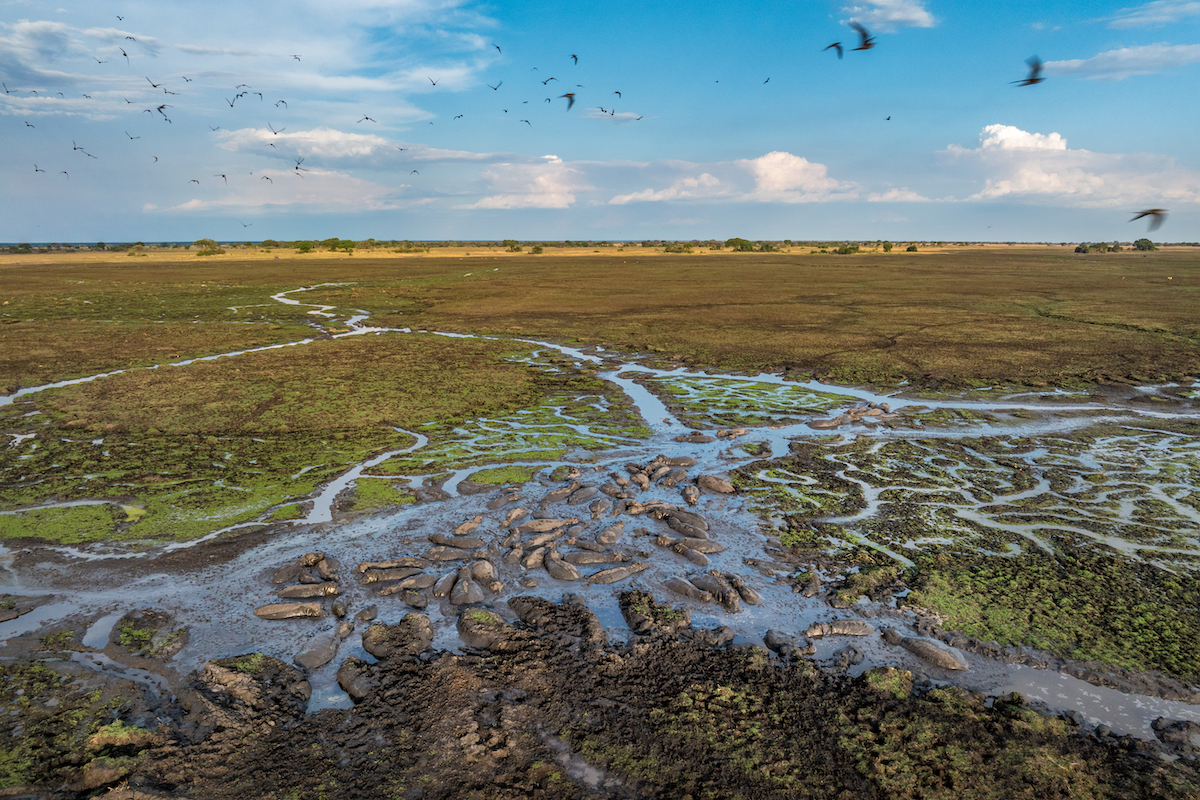
The Busanga Plains are one of Zambia’s most prolific wildlife areas. Comprising a vast stretch of land in the farthest north-western section of Kafue National Park, it is a landscape of two halves. During the summer green season from about November to April, the wetland is flooded and only wooded islands are visible, making it akin to the Okavango Delta in Botswana. As the water recedes and the rich black-cotton soil dries out, the seasonal floodplain is a blaze of rich grassland, attracting herbivores in strong herds. This savannah almost matches its eastern cousins, the Serengeti in Tanzania and the Masai Mara in Kenya. And where there are grazers, predators are sure to follow…
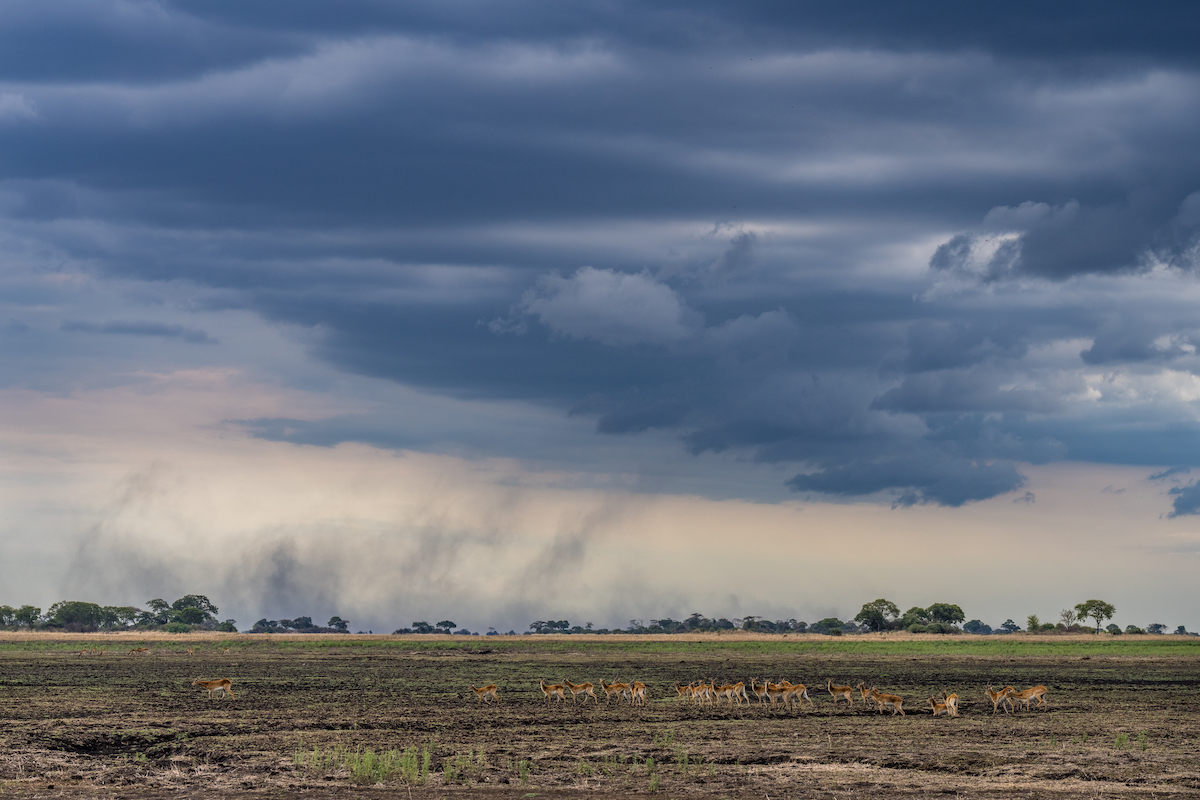
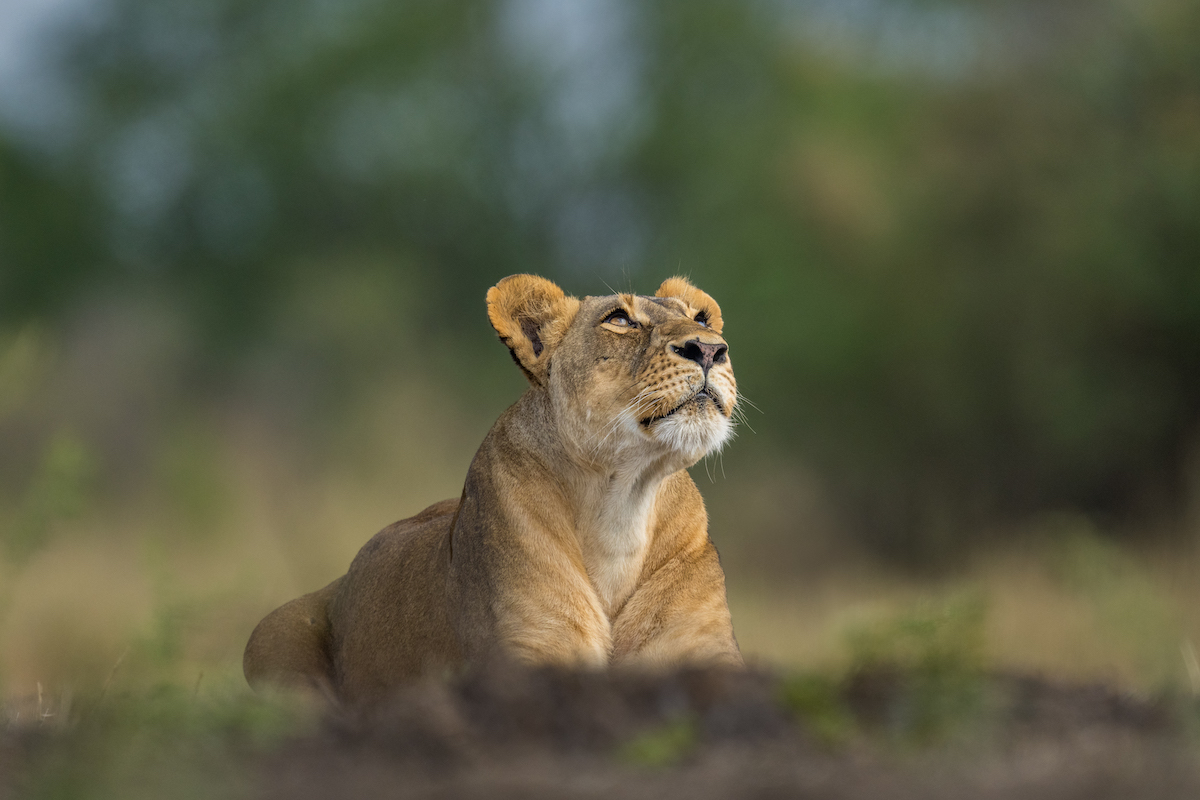
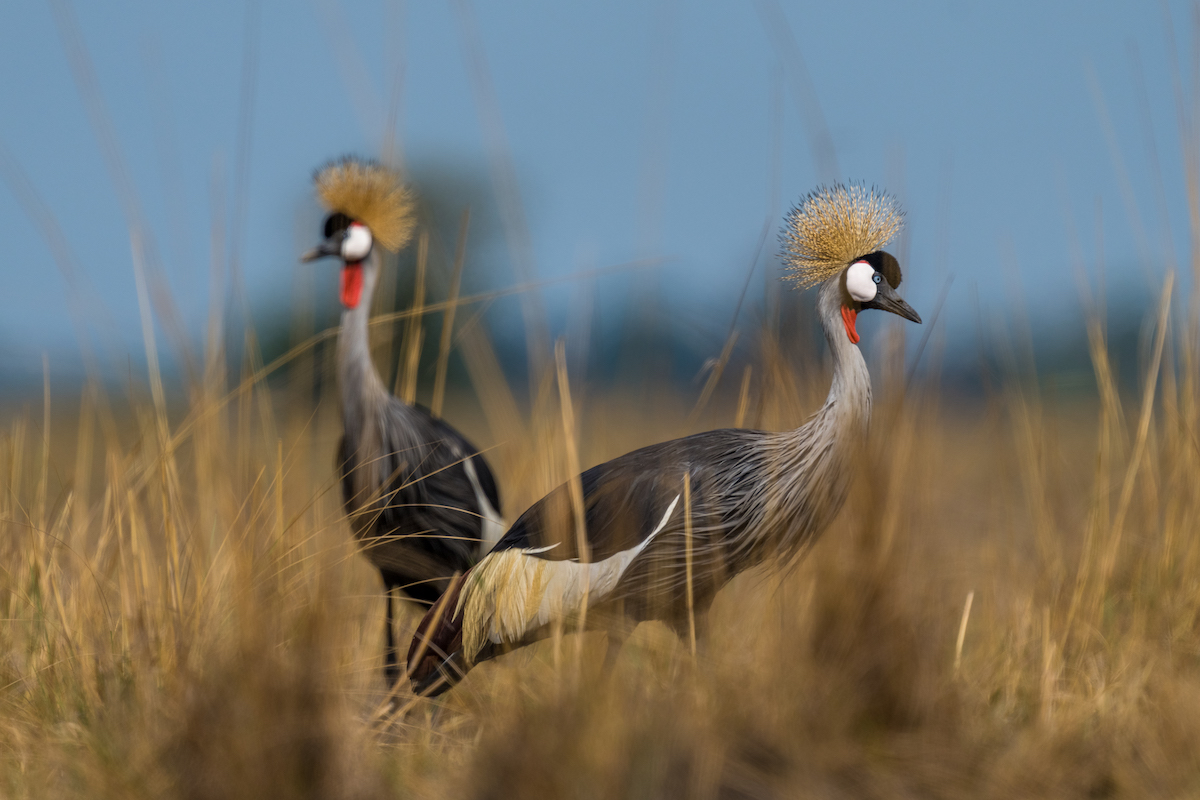
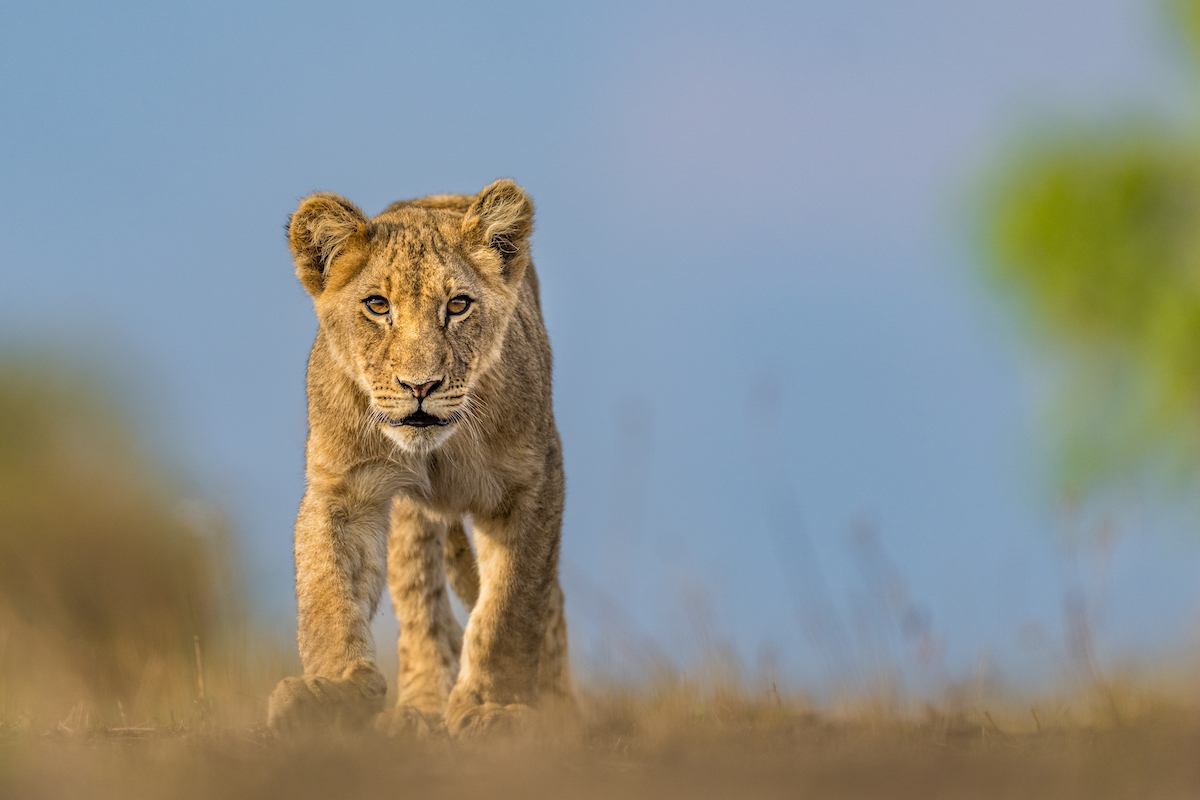
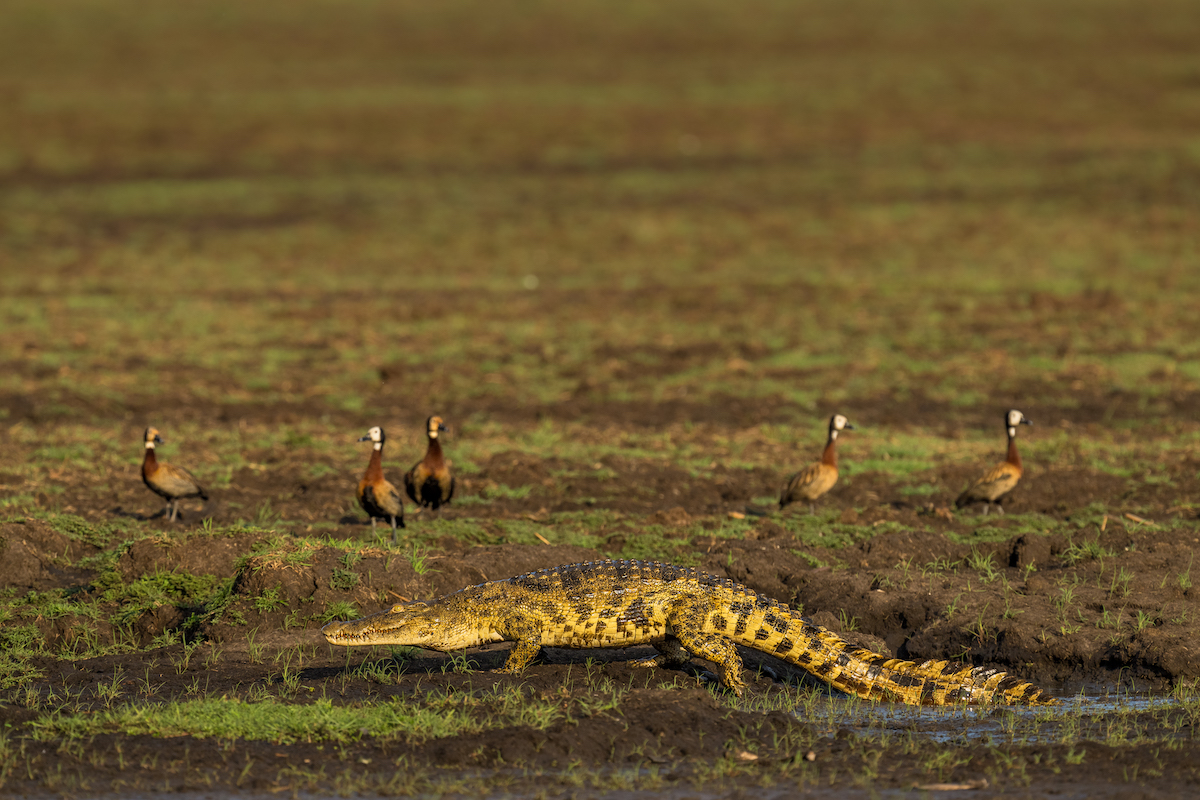
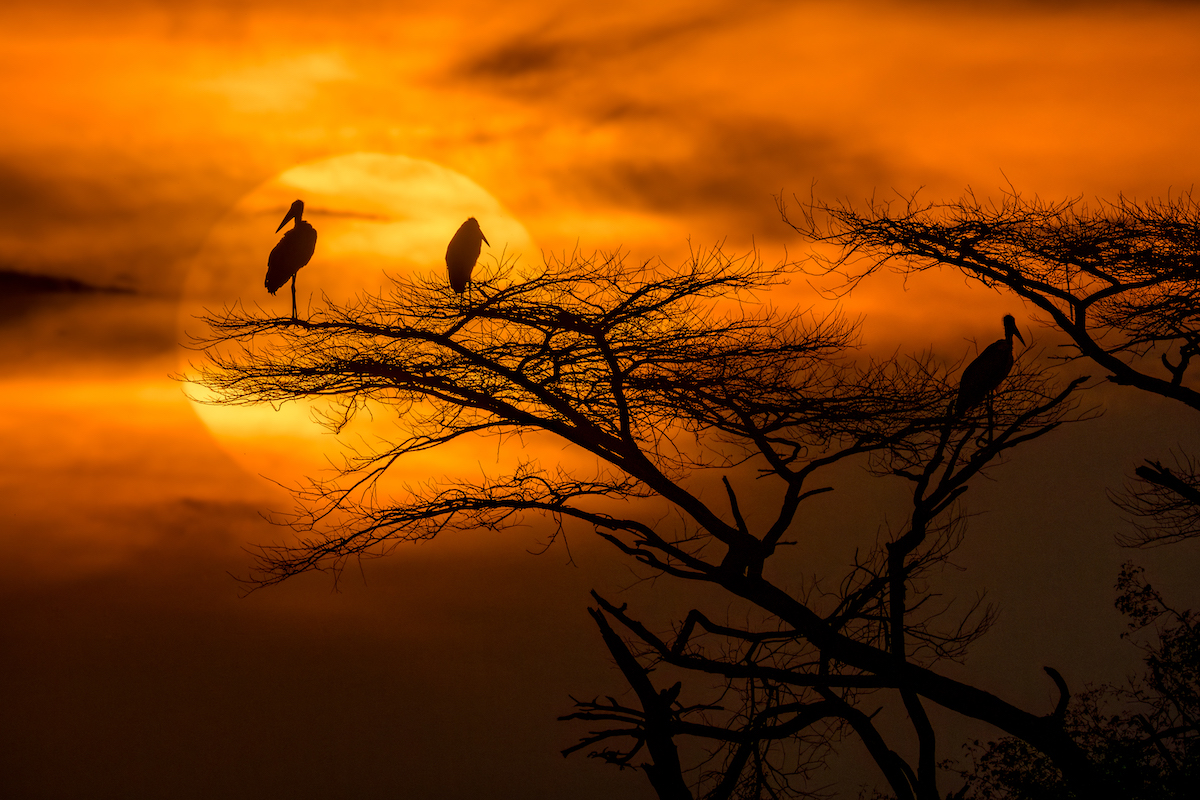
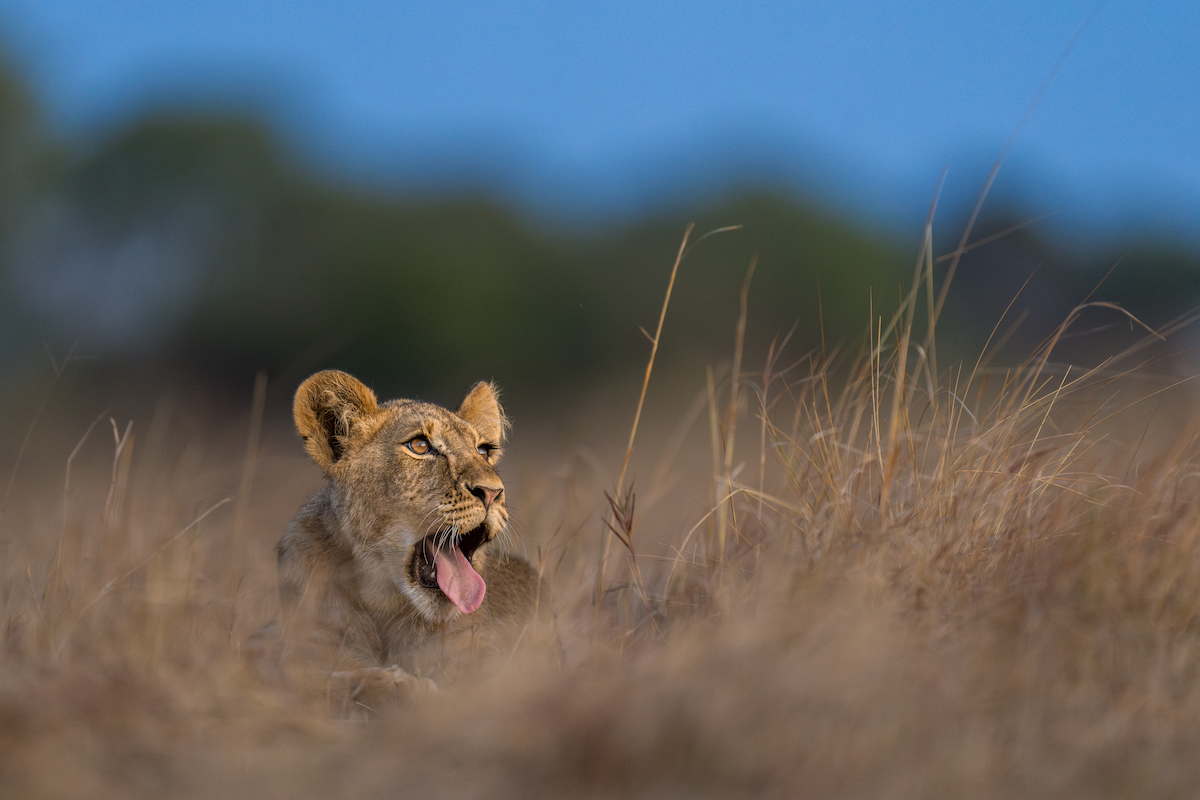
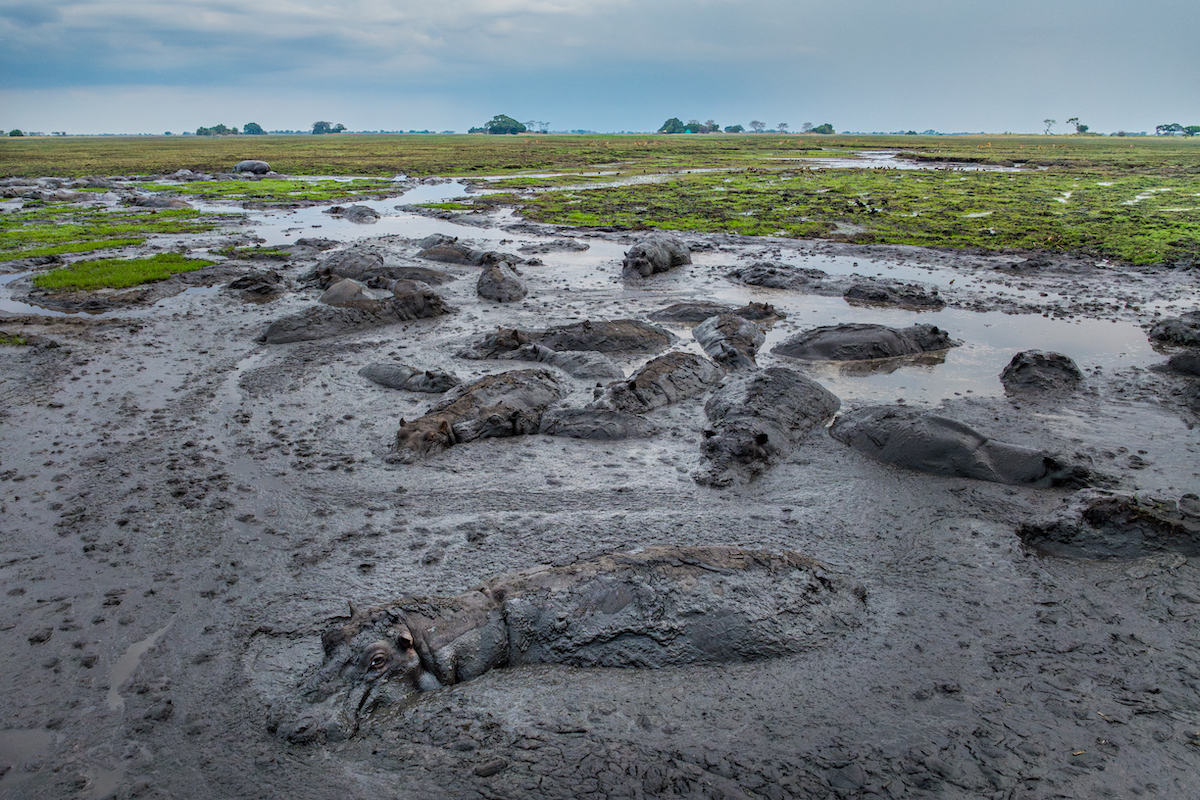
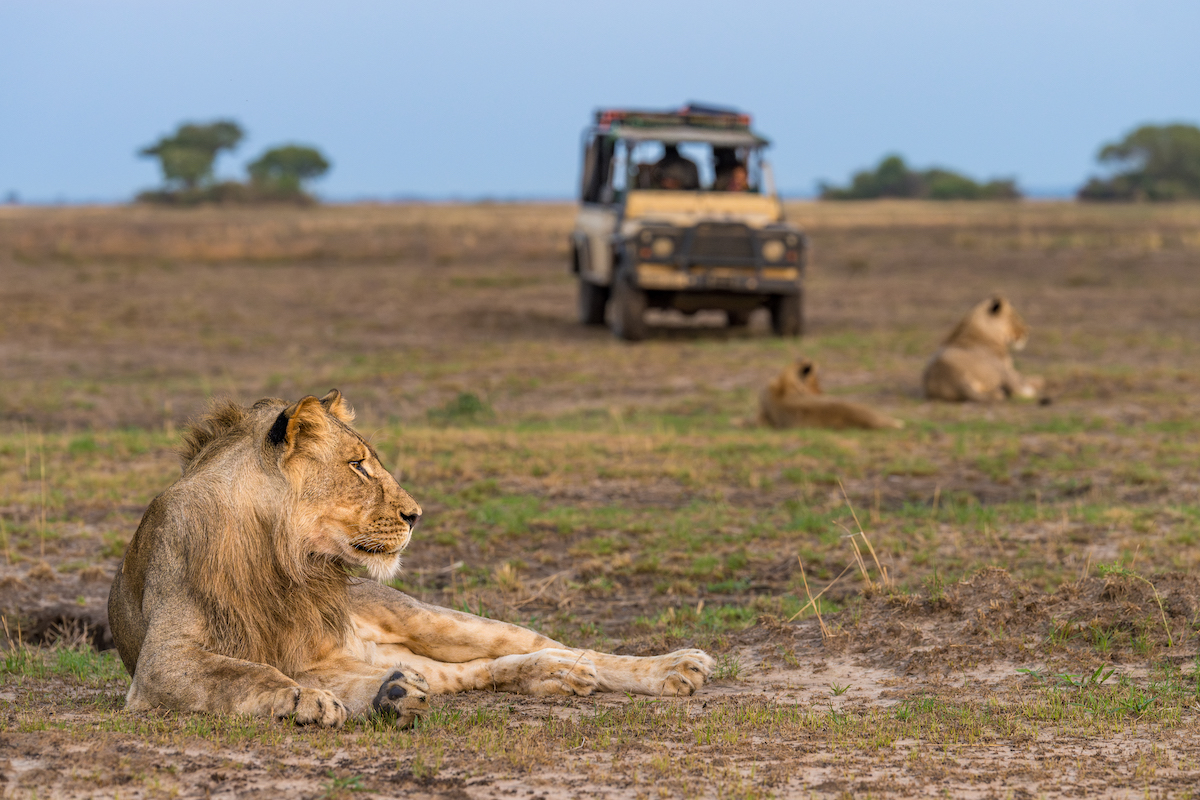
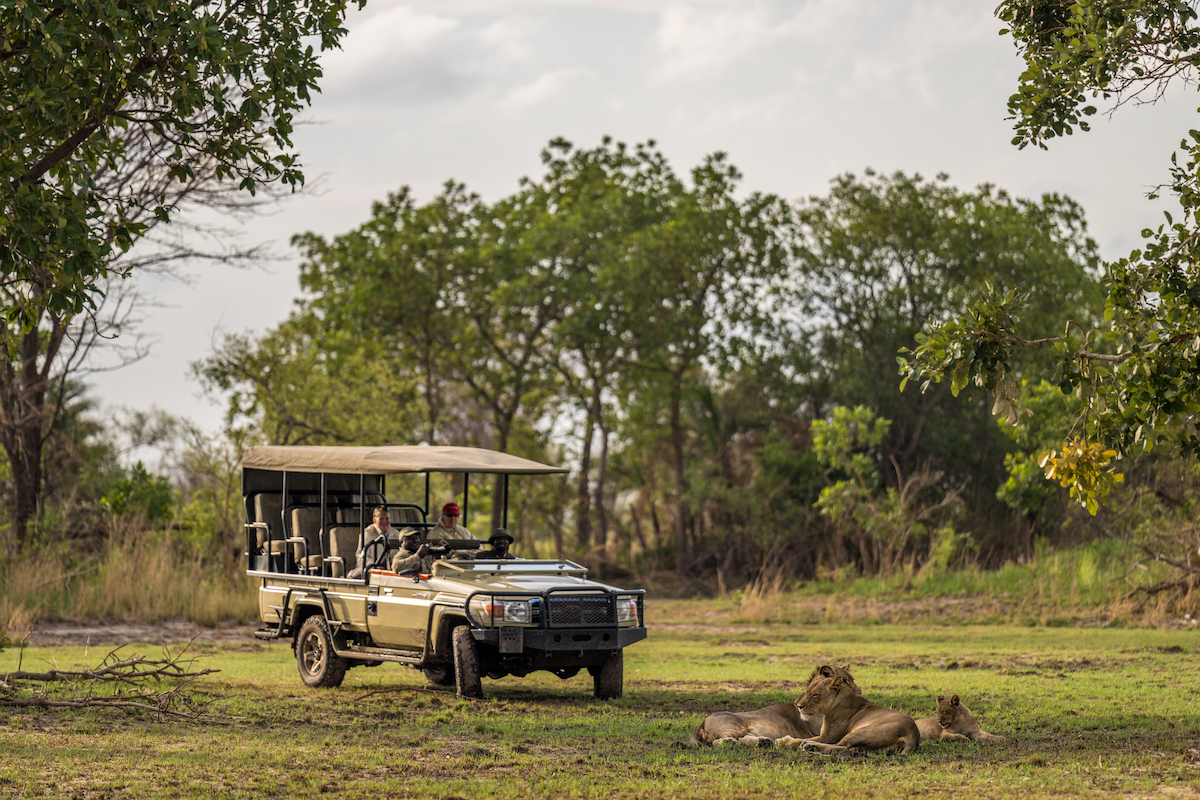
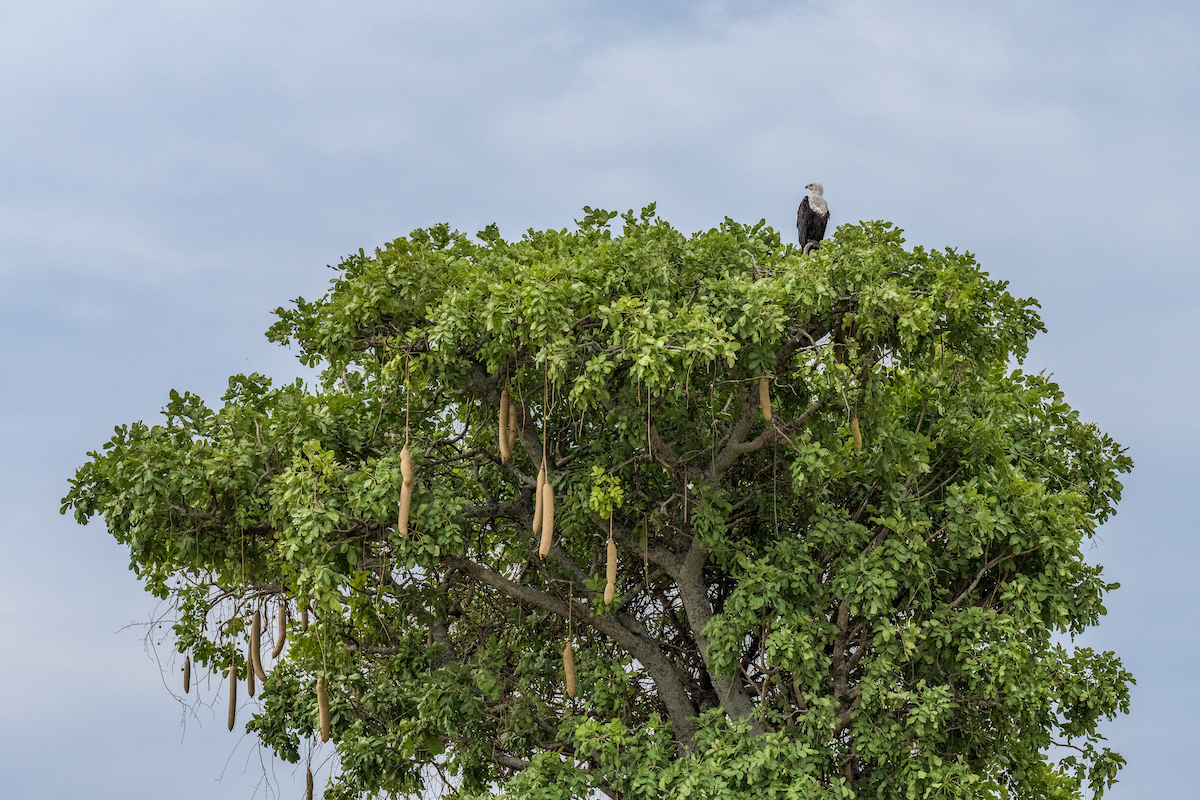
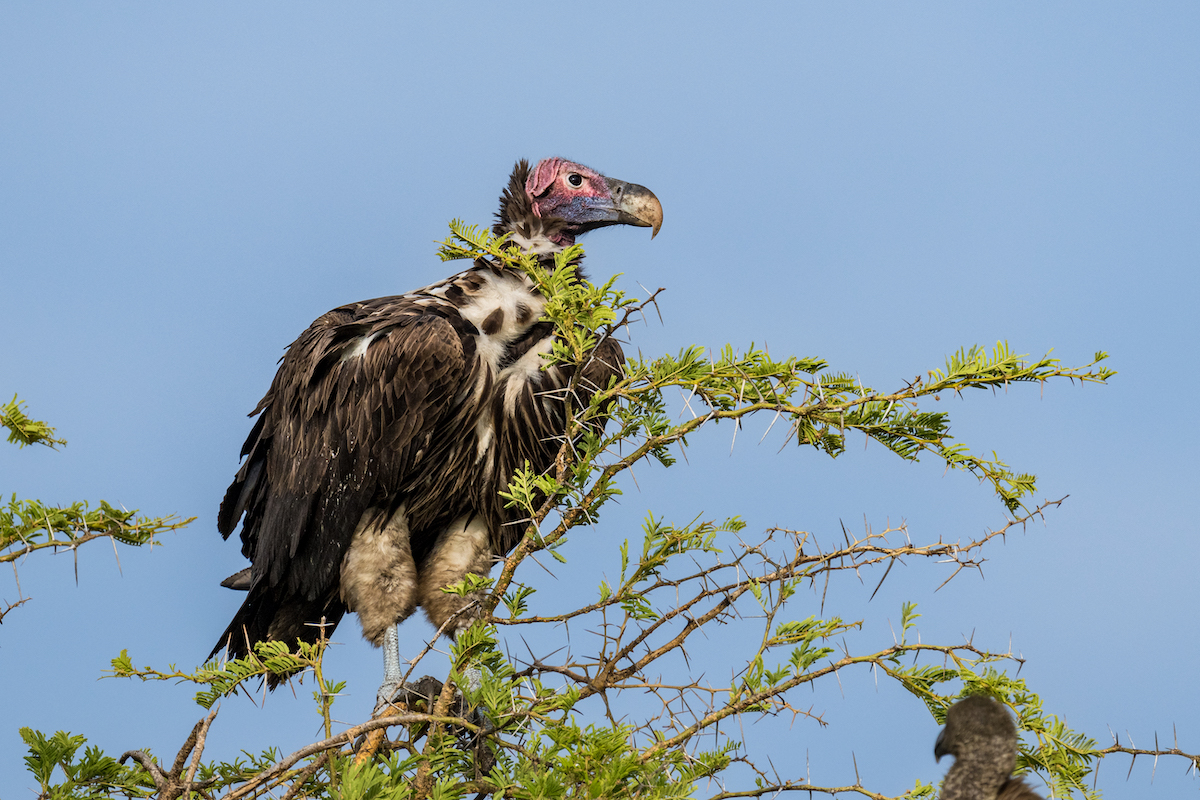
Photo Credit: African Parks | Marcus Westberg
Surrounded by the Kasonso Busanga GMA (game management area), the Busanga Plains differ from the rest of Kafue’s miombo woodland by being dotted with date palms, sausage trees, occasional baobabs, fig trees and termite mounds. One special baobab is known as Mukondakamwale because legend has it that it enveloped three young women sheltering from a storm.
The Lafupa river, a tributary of the Kafue, feeds the area during the April to October dry season. Notable wildlife includes prides of black-maned lions thanks to an ongoing lion conservation project, herds of red lechwe (once teetering on the brink of extinction), cheetah and Chaplin’s barbet, Zambia’s only endemic bird species. The river supports two species of otter (clawless and spotted-necked) but they are very shy and tricky to see. Some areas may have tsetse fly but they are less prevalent in the dry season (avoid all blue and black clothing as these colours attract them).
The plains are a Ramsar birding site with at least 450 recorded species: summer migrants include lesser kestrel and Montagu’s harrier while birding ‘specials’ are Ross’s turaco and black-backed barbet. Look out, too, for wattled crane breeding sites.
MORE INFORMATION
FEATURED LISTINGS