
Capturing stunning wildlife photographs requires far more than technical skill alone; it demands a deep understanding of animal behavior. By learning how animals move, react, and interact with their environment, photographers can anticipate decisive moments rather than rely on chance. This awareness dramatically increases the ability to position oneself correctly, prepare camera settings in advance, and capture images that feel authentic, dynamic, and alive.
Peter Geraerdts of Track and Trail River Camp in South Luangwa National Park offers his top tips:
Observing Is Predicting
The most powerful wildlife photographs are rarely accidents. They are the reward for stillness, awareness, and intent. By observing carefully, you begin to sense what will happen next. A pause becomes a promise. A glance becomes a story about to unfold. In wildlife photography, seeing is not enough—understanding is everything.
Understanding Routine & Patterns
Animals live by patterns written long before we arrive with our cameras. The best safari guides and photographers don’t wait for luck; they study habits, movements, and routines. As you learn when animals feed, rest, or travel, you begin to move in harmony with their world—arriving not too late, not too early, but exactly when the moment is ready.
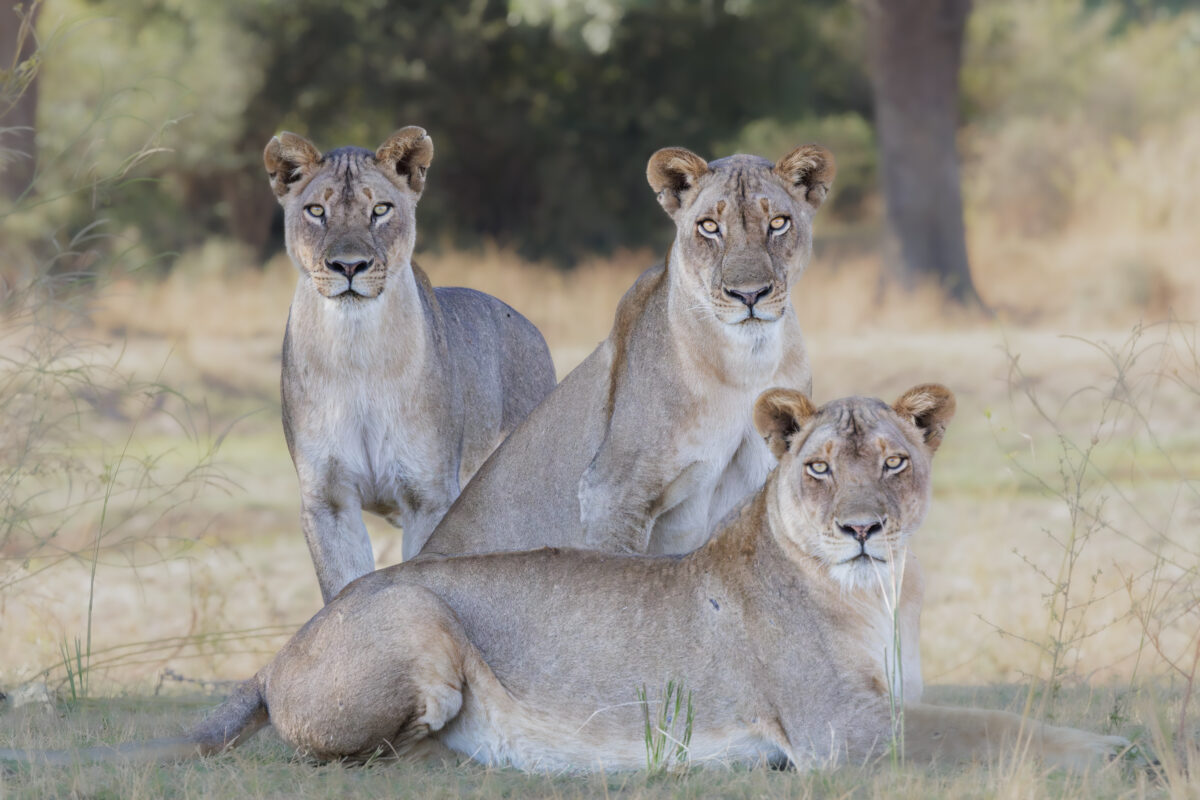
Lioness sisters.
Interpreting Body Language
Nature speaks softly before it roars. A lion’s flicking tail, a bird’s tightening wings, a subtle shift in posture—these are whispers that something extraordinary is about to happen. Those who learn to read these signs gain a rare gift: the ability to capture the moment just before it becomes history.
Patience and Positioning
Wildlife rewards those who wait. Instead of pursuing animals, let patience guide you. Choose your position thoughtfully, settle into the landscape, and allow the scene to unfold naturally. In stillness, you become part of the environment—and that is when the most authentic images are made.
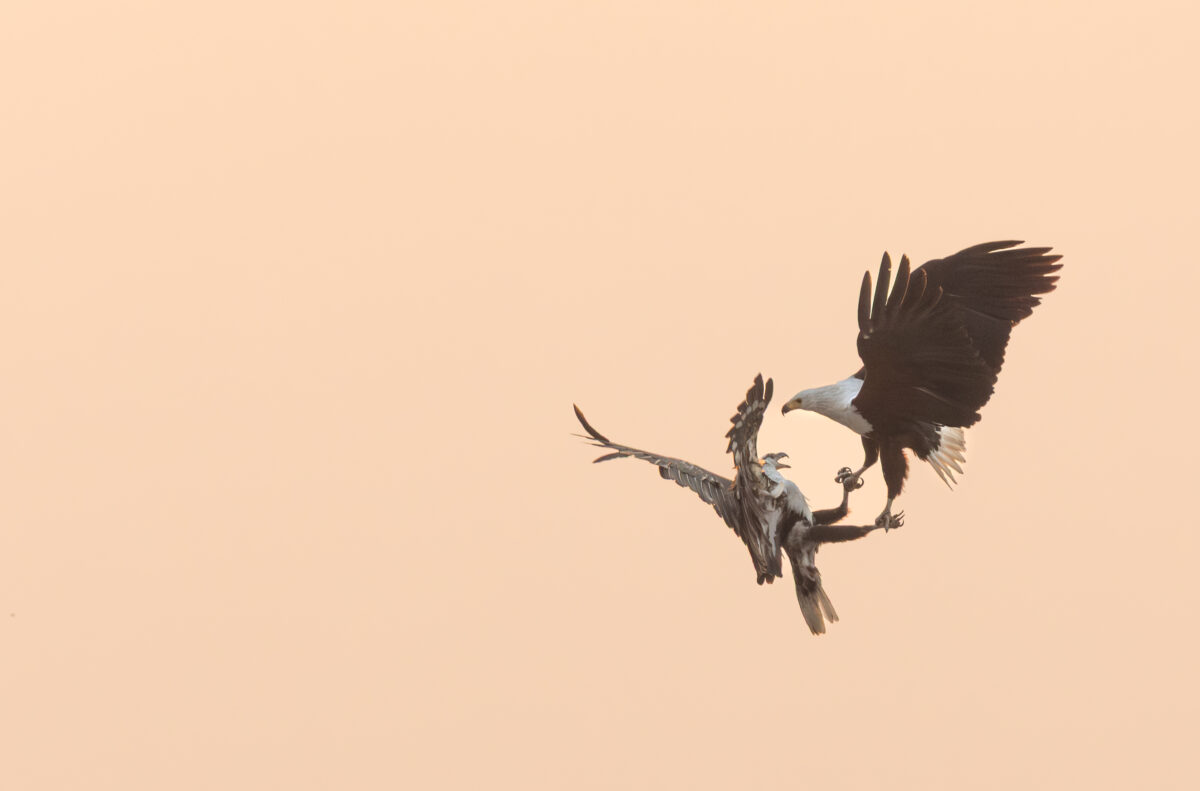
Fish eagles fighting.
Proactive, Not Reactive
Inspiration favors the prepared. While the wild can be unpredictable, anticipation allows you to meet fleeting moments with confidence. When your camera is ready—settings dialed in, focus set, mind alert—you are free to respond instinctively, capturing motion, emotion, and energy in a single frame.
Master Your Camera Settings
Technical mastery frees creativity. When you understand your camera instinctively, it becomes an extension of your vision. In low light, fast action, or quiet dawn moments, your readiness allows you to focus not on buttons—but on the story unfolding in front of you.
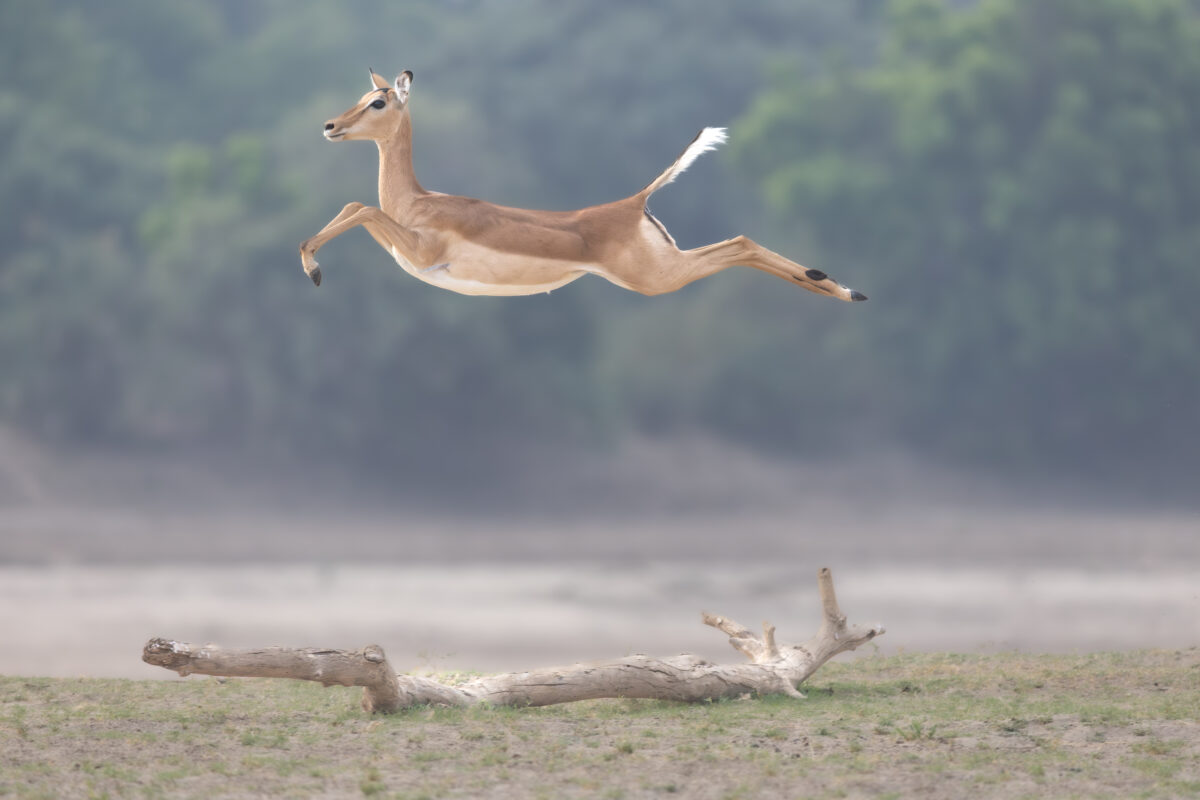
An impala in mid-air.
The Advantage of a Professional Photographic Safari Guide
A professional photographic safari guide does far more than lead the way—they elevate the entire experience. Their expertise transforms a safari into a living classroom, where every game drive becomes an opportunity to grow as a photographer. With a trained eye for light, composition, and timing, a seasoned guide helps you see scenes not just as they are, but as they can be.
Access to prime locations, thoughtful positioning, and real-time guidance on equipment and settings allow you to focus fully on creativity. More than that, a professional photographic guide shares insight, context, and storytelling—helping each image carry meaning beyond the frame. It is a journey where knowledge meets inspiration, and where photographers of all levels leave not only with powerful images, but with a deeper connection to the wild.
Respecting the Environment
True wildlife photography is rooted in respect. While understanding animal behavior is essential, honoring the environment in which these animals live is equally important. The goal is not simply to capture beauty, but to do so responsibly—without intrusion, disruption, or harm.
Maintaining a respectful distance and allowing animals to behave naturally preserves the authenticity of the moment. When wildlife is undisturbed, their stories unfold honestly, and the images created reflect the true spirit of the wild. Ethical photography ensures that these environments remain unchanged, allowing future generations—both human and animal—to thrive.
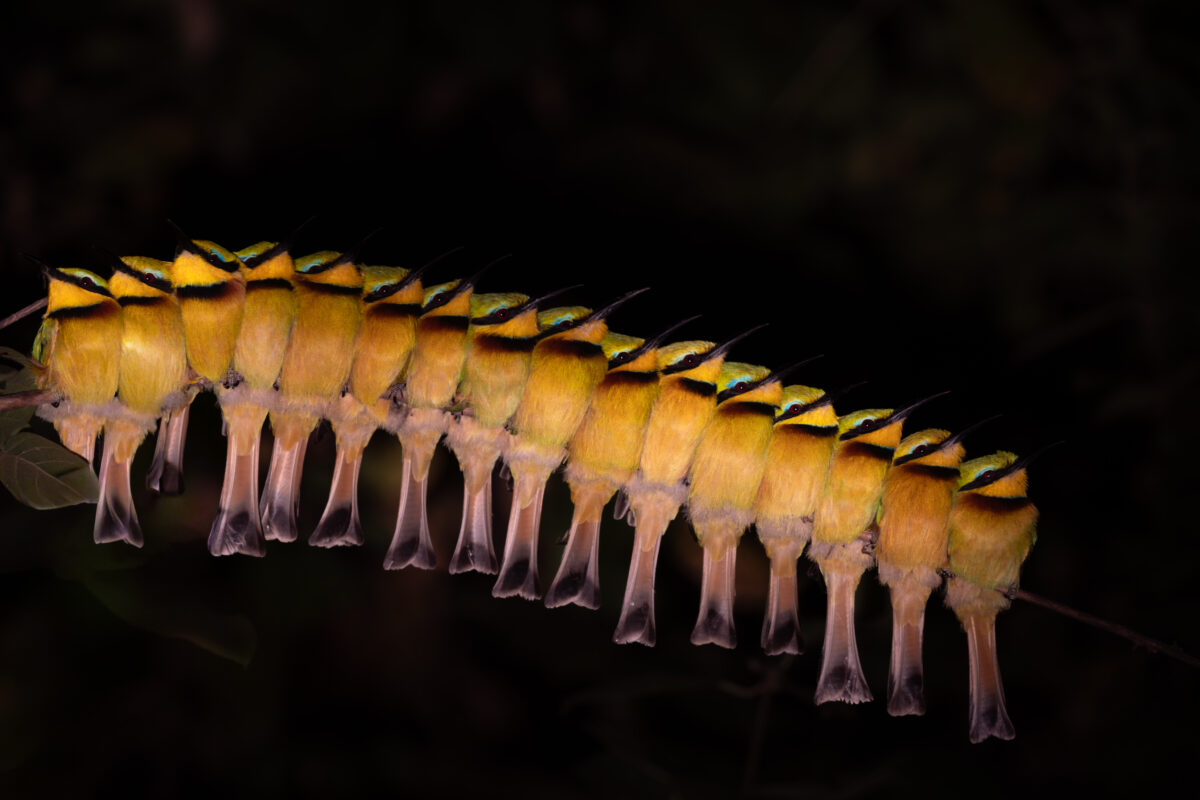
A family of bee-eaters.

Leave A Comment