|
HOME
TOUR & SAFARI Co's
PLACES
TO VISIT
Victoria Falls
Zambezi River
Lake Kariba
Lake Tanganyika
Other Waterfalls
Chimp Sanctuary
Shiwa Ngandu
Lake Bangweulu
Livingstone Memorial
Lake Mweru
Monuments
Museums
Art Galleries
GAME
RESERVES
South Luangwa
North Luangwa
Lower Zambezi
Kafue
Sumbu
Lochinvar
Nyika
Sioma Ngwezi
Kasanka
Bangweulu Wetlands
Liuwa Plain
Mosi-o-Tunya
Luambe
Blue Lagoon
Other Smaller Parks
CITIES
& TOWNS
Lusaka
Livingstone
The Copperbelt
Other Towns
SAFARIS
Walking
Safaris
Birding Safaris
Canoeing
Safaris
Mobile Safaris
Elephant Back Safaris
Horse Back
Safaris
Photographic
Safaris
Open
Vehicle Safaris
ADVENTURE/SPORTS
Driving around Zambia
White Water
Rafting
River Boarding
Bungi Jumping
Abseiling
Gorge Swinging
Horse Trails
Tandem Kayaking
Canoeing/River Safaris
House Boating
Tiger and Fly
Fishing
WILDLIFE
Illustrated
Checklists
BIRDLIFE
In depth synopsis
Checklists
DIRECTORY
Adventure
Companies
Airlines
Air
Charter
Art
Galleries
Backpackers
Campsites & Chalets
Car
Hire
Coaches
/ Buses
Embassies
Emergency Numbers
Fishing
Camps
Game
Lodges
Golf Courses
Private
Reserves
Govt Offices
Guesthouses
Hospitals
Hotels
Safari Operators
Tours
Trains
Travel
Agents
TRAVEL INFO
Quick
Facts
Getting
There
Getting
Around
Handy Information
Visa Info
PEOPLE
History
Culture
Major Tribes
Ceremonies
ENVIRONMENT
Geography
Vegetation
Conservation
MAPS
PHOTO GALLERIES
LINKS
TRAVEL NEWS
ENQUIRIES
ADVERTISING
|
SUMBU
NATIONAL
PARK

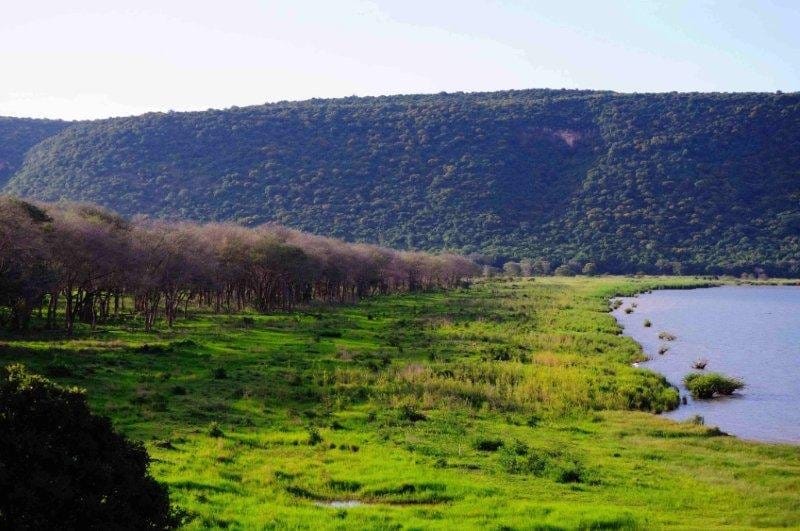
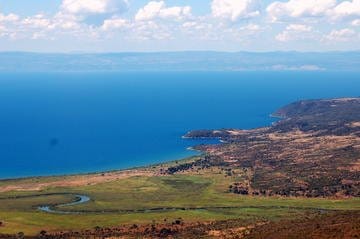
Lying on the southern shores of
Lake Tanganyika in the Northern most tip of Zambia, Sumbu National Park covers an
area of just over 2000 square kilometers encompassing 100kms of some of the most
pristine shores of this vast Lake. Its beauty ranges from sandy beaches, vertical
cliffs, rocky coves and natural bays to the rugged hills and deep valleys of the interior.
The Lufubu River winds its way through a valley flanked by 300 meter escarpments on either
side.

The western boundary of
Nsumbu National Park is
buffered by Tondwa Game Management Area, an IUCN Category VIII Multiple Use Management
Area of 54,000 ha. The much larger Kaputa Game Management Area (360,000 ha) is also
contiguous with the National Park to the north-west and south-west therefore, with the
National Park, completely surrounding Tondwa. Sumbu National Park and the two Game
Management Areas thus form important parts of a network of Protected Areas in Zambia.
The Park is dissected from west to east by the sizeable and
perennial Lufubu River, which also demarcates the eastern boundary of the Park up to the
river's discharge into Lake Tanganyika. Nkamba and Chisala Rivers are ephemeral and
smaller than the Lufubu, draining Tondwa Swamp into Nkamba and Sumbu Bays respectively,
the former through an attractive valley with abundant wildlife in relation to other parts
of the Park. Much of the park is
covered by combretum thicket, but along the lakeshore there are many strangler figs and
candelabra trees along with the strange and interesting boulders balanced on
top of one another.
Sightseeing
Although wildlife numbers have declined, there is
still a wide range of species present in the park and numbers are
recovering, although sightings are not guaranteed. Roan,
sable, eland, hartebeest as well as
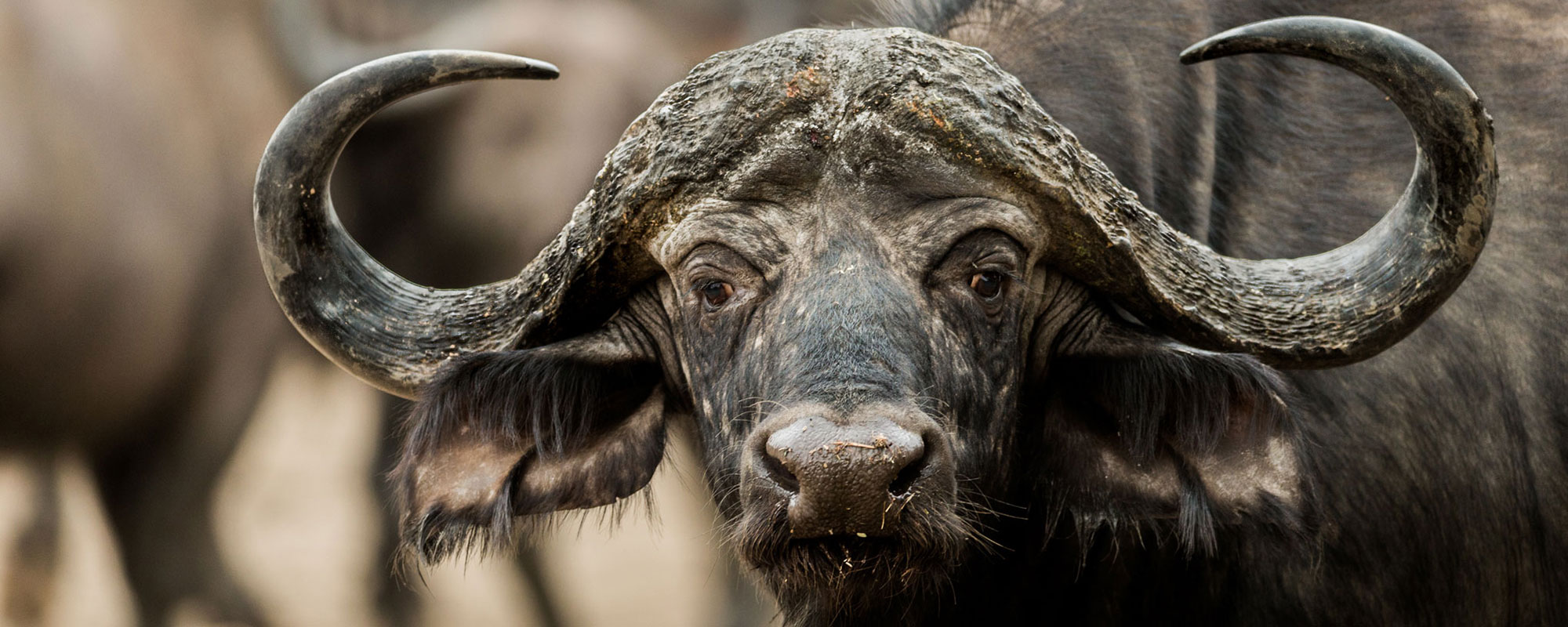
buffalo
and
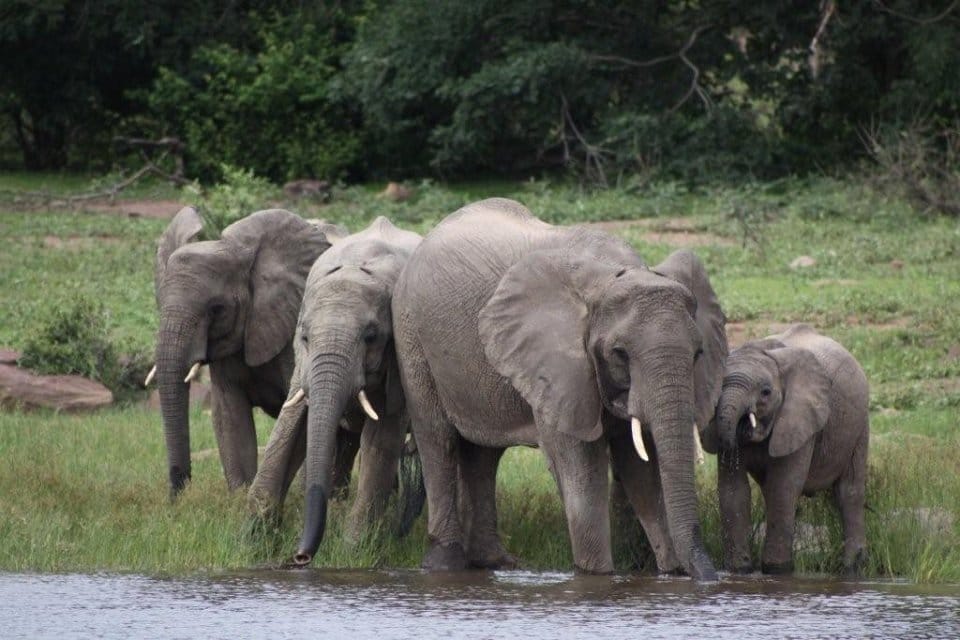
zebra and occasionally
elephant,
lion and
leopard. Bushbuck, warthog and puku
often frequent the beaches. The rare blue duiker, a small forest antelope
is one of the Parks specialities along with the shy swamp dwelling sitatunga.
Other species seen here are the spotted hyena, side-striped jackal, serval,
impala, waterbuck and reedbuck This side of the Lake is teeming with crocodiles, so swimming is obviously
not advisable. Some reach up to six meters in length.
Hippos
often emerge at night around the lodges to mow the green grass.
Birdlife in the park is still prolific with many migrants
coming down from East Africa and up from South African regions. The flamingo
is one of the more spectacular migrants while some of the lakeshore inhabitants include
the skimmer, spoonbill, whiskered tern along with many different storks,
ducks and herons. Commonly encountered species
around the lake include the grey-headed gull, lesser black-backed gull,
white-winged black tern, whiskered tern, African skimmer, and of course the
ubiquitous fish eagle. The palmnut vulture and
Pel's fishing owl are also occasionally seen.
The Balancing Boulders are shrouded in
myth and are of great significance to the local Tabwa people. On the Nundo Head Peninsula
a large boulder balances upon three smaller ones and is the scene of annual ceremonies in
which a white chicken is sacrificed to honour the God Nundo. Further east at Kabwembwa,
just outside the Park there is a sacred place where the Spirit of the Lake resides. Local
fishermen throw offerings into the water here whenever they pass as a sign of respect.
Nsumbu is famous for its excellent angling
off the shoreline and some of the better catches are the large Nile perch, goliath
tigerfish, vundu catfish, lake salmon and the tasty yellow belly
or nkupi. Occasionally the much sought after golden perch
is caught. The Zambian National Fishing Competition takes place here every year around
March or April and some world records have been set here.

Getting
there
Access to Sumbu National Park and Nkamba Lodge is either by
road via Mansa or Kasama to Sumbu and the Park Gate (1363 Km and 1188 Km
respectively from Lusaka), by air from Lusaka (or Ndola) to Kasaba Bay /
Nkamba Bay Airports (810 Km direct), or by boat from Mpulungu (no regular
service). There are gravel tracks from Sumbu to Nkamba Lodge and Kasaba Bay, to the
various scouts' camps, to the balancing rocks, and from Nkamba to the Lufubu River where a
link with the Mbala road is planned but not yet completed . At present, most client
transfers between the Lodges are carried out by boat.
Kasaba Bay Aerodrome is
currently owned and operated by the Department of Civil Aviation. Other laterite
airstrips are at Kasama and Mprokoso. There are currently no aviation refuelling
facilities in the area, the nearest being at Ndola on the Copperbelt. Chartered flights
are availabe to Kasaba and Nkamba Bay.
Whilst the National road network is
gradually being improved, journeys can be long and arduous to this corner of Zambia,
particularly on the unpaved portions. The most direct route from Lusaka is via Serenje,
Mansa and Kawambwa on paved roads, then to Mporokoso on a good gravel road, and finally
from Mporokoso to Sumbu on a poor gravel road. A longer route, but with better gravel
roads, is via Nchelenge from Mansa on a paved road, thence to Sumbu via Kaputa on a good
gravel road which runs through Mweru Wantipa National Park. Finally, there is a route via
Kasama to Mporokoso, but this is in poor condition. Access to the lake via Mbala and
Mpulungu is by paved road all the way, but there is no link yet between Mbala and Sumbu.
There are no reliable, regular road or lake transport
services to Sumbu or the Lodges in the National Park. However, the Lodges have their own boats
and vehicles available for short-distance transfers, and there are companies which have
vehicles for hire. A ferry service between the major international ports on Lake
Tanganyika is operated by Tanzania Railways, using the historical MV Liemba with a
capacity for 500
Update
2007 - Roads in the Northern Province
The dirt road
network in the northern province has undergone major reconstruction.
Specifically the road from Nchelenge to Kaputa, Nsumbu on to Mporokoso and
both roads from Mporokoso to either Kasama or Kawambwa are in excellent
condition. The road from Kawambwa to Mporokoso crosses the Kalungwishi river
as a bridge now. (no longer a pontoon)
The access road to
Lumangwe has also been repaired and it is quite good all the way to
Kabweluma falls. The Campsites at Lumangwe falls and Ntumbuchasi falls are
clean with some basic thatched shelters and drop toilets. The caretakers at
both are very helpful and knowledgeable, and will supply firwewood for a
small fee.
The tar road from
Kasama to Mbala/Mpulungu is quite bad but work has also started there. There
are also plans to open the road from Sumbu to Mbala which is currently only
passable by 4x4 in the dry season. Several loops within Sumbu park are also
being worked on.
Where to
stay
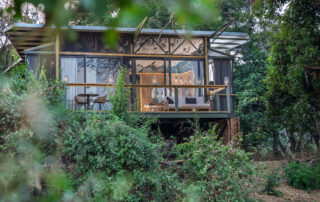
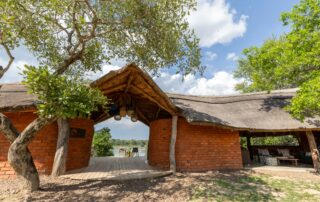
There are three lodges in secluded bays along the
Parks shoreline,
Nkamba Bay ,
Kasaba Bay
and
Ndole Bay. . Camping is possible at Ndole
Bay.
Nkamba Bay Lodge is an exclusive private
lodge set in a stunning location on the shores of Lake Tanganyika. It is the
only lodge in Nsumbu Game Park, one of the unspoilt, secluded treasures of
Africa. The lodge offers outstanding sports fishing, bird watching, game
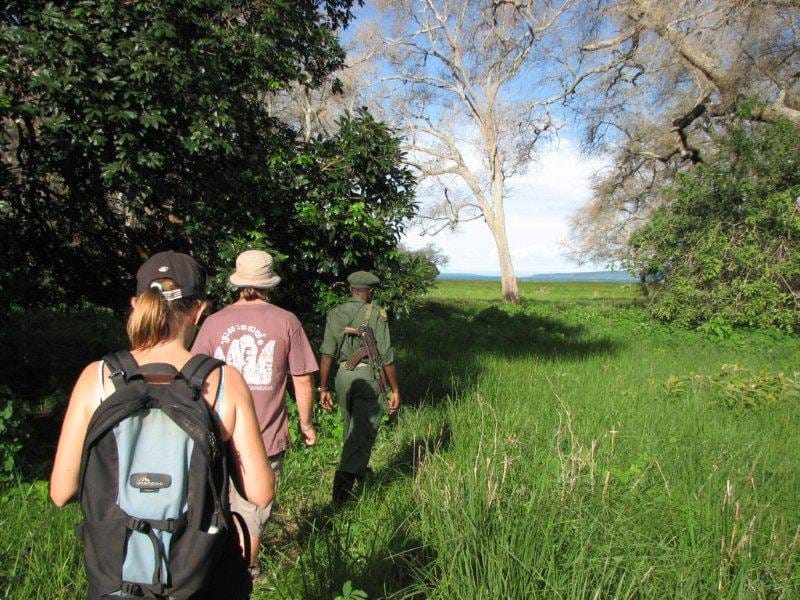
viewing, canoeing, walking safaris and photographic tours or simply a
relaxing getaway in one of Africa's undiscovered National Parks.
Ndole Bay
is nestled amongst lush tropical vegetation opening onto its own exclusive
beach, it offers visitors a singular African experience on the shores of a
unique lake. A fleet of reliable, twin engine boats opens the secrets of
Tanganyika, while shaded hammocks, sunset paddles and a library allows days
to slip by. Situated just outside Sumbu National Park, the untouched
wilderness is only a step away. Accommodation is available in , thatched,
en-suite chalets; through to a beachside campsite. Meals are prepared
for those not self catering and a fully stocked bar is central to the
dining area. Activities include fishing, game viewing, hot springs,
waterfalls, isolated rainforest, lake cruises, snorkelling and cultural
interactions.
Ndole Bay is the first
recreational SCUBA diving facility in Zambia offering the latest equipment
for hire and all PADI courses under our resident instructor and ecologist. Tanganyika’s crystal clear waters and brightly coloured fish
are a delight in this mystical underwater paradise.
PACKAGE TOURS offers
a list of tour operators that will arrange all your travel requirements to Lake
Tanganyika, Sumbu National Park and other Zambian destinations.
Click on
International
Travel Agents if you're looking for an agent in Europe, US or Australia
booking trips to Zambia and other Southern African countries.
|
|