|
HOME
TOUR & SAFARI Co's
PLACES
TO VISIT
Victoria Falls
Zambezi River
Lake Kariba
Lake Tanganyika
Other Waterfalls
Chimp Sanctuary
Shiwa Ngandu
Lake Bangweulu
Livingstone Memorial
Lake Mweru
Monuments
Museums
Art Galleries
GAME
RESERVES
South Luangwa
North Luangwa
Lower Zambezi
Kafue
Sumbu
Lochinvar
Nyika
Sioma Ngwezi
Kasanka
Bangweulu Wetlands
Liuwa Plain
Mosi-o-Tunya
Luambe
Blue Lagoon
Other Smaller Parks
CITIES
& TOWNS
Lusaka
Livingstone
The Copperbelt
Other Towns
SAFARIS
Walking
Safaris
Birding Safaris
Canoeing
Safaris
Mobile Safaris
Elephant Back Safaris
Horse Back
Safaris
Photographic
Safaris
Open
Vehicle Safaris
ADVENTURE/SPORTS
Driving around Zambia
White Water
Rafting
River Boarding
Bungi Jumping
Abseiling
Gorge Swinging
Horse Trails
Tandem Kayaking
Canoeing/River Safaris
House Boating
Tiger and Fly
Fishing
WILDLIFE
Illustrated
Checklists
BIRDLIFE
In depth synopsis
Checklists
DIRECTORY
Adventure
Companies
Airlines
Air
Charter
Art
Galleries
Backpackers
Campsites & Chalets
Car
Hire
Coaches
/ Buses
Embassies
Emergency Numbers
Fishing
Camps
Game
Lodges
Golf Courses
Private
Reserves
Govt Offices
Guesthouses
Hospitals
Hotels
Safari Operators
Tours
Trains
Travel
Agents
TRAVEL INFO
Quick
Facts
Getting
There
Getting
Around
Handy Information
Visa Info
PEOPLE
History
Culture
Major Tribes
Ceremonies
ENVIRONMENT
Geography
Vegetation
Conservation
MAPS
PHOTO GALLERIES
LINKS
TRAVEL NEWS
ENQUIRIES
ADVERTISING
|
NYIKA
PLATEAU
NATIONAL
PARK

Nyika
plateau, a beautiful montane highland area, lies on the Malawian border at the eastern
most tip of Zambia. The park is actually an extension of the National Park on the Malawian
side which incorporates the rest of the plateau.

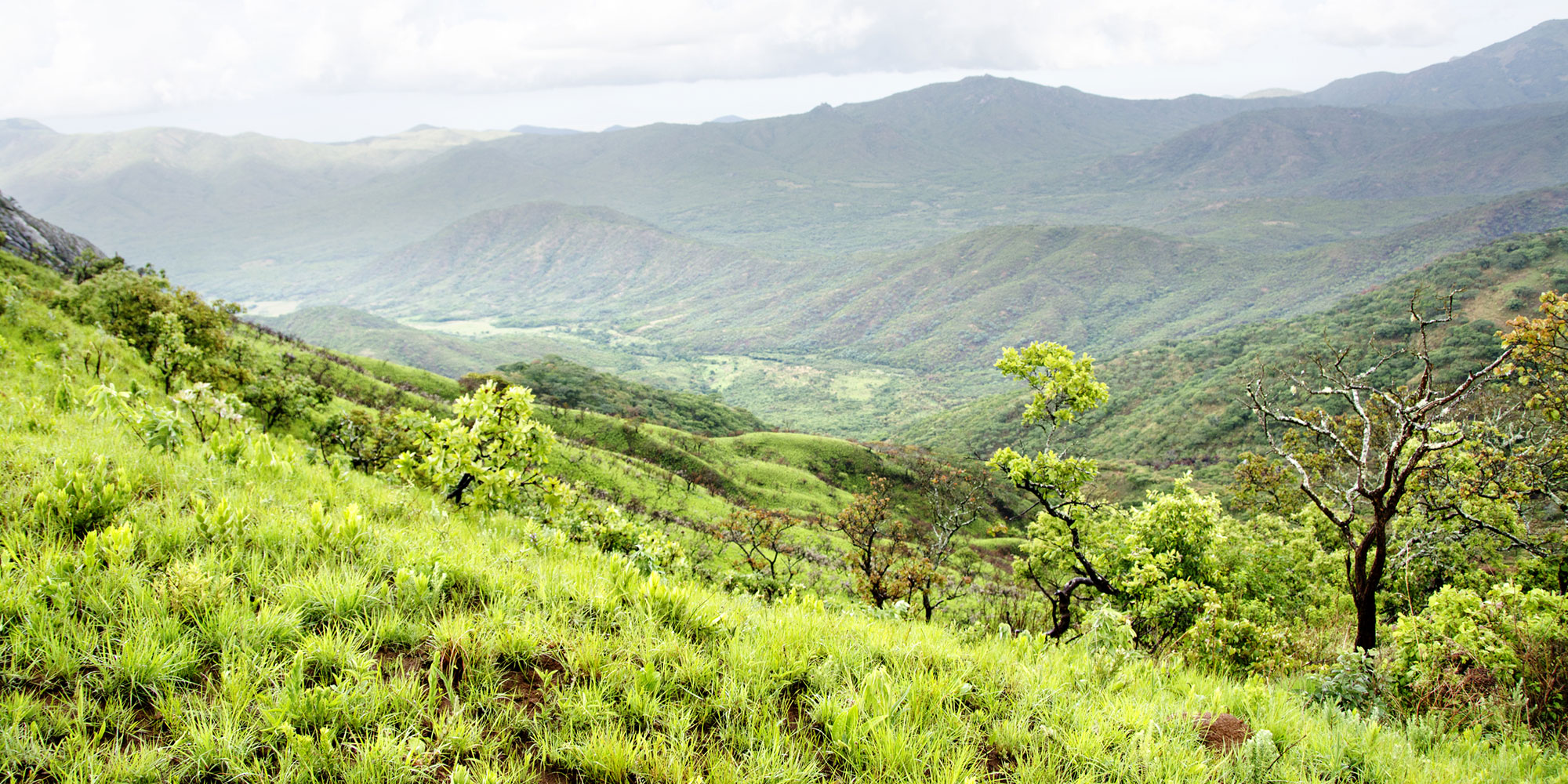
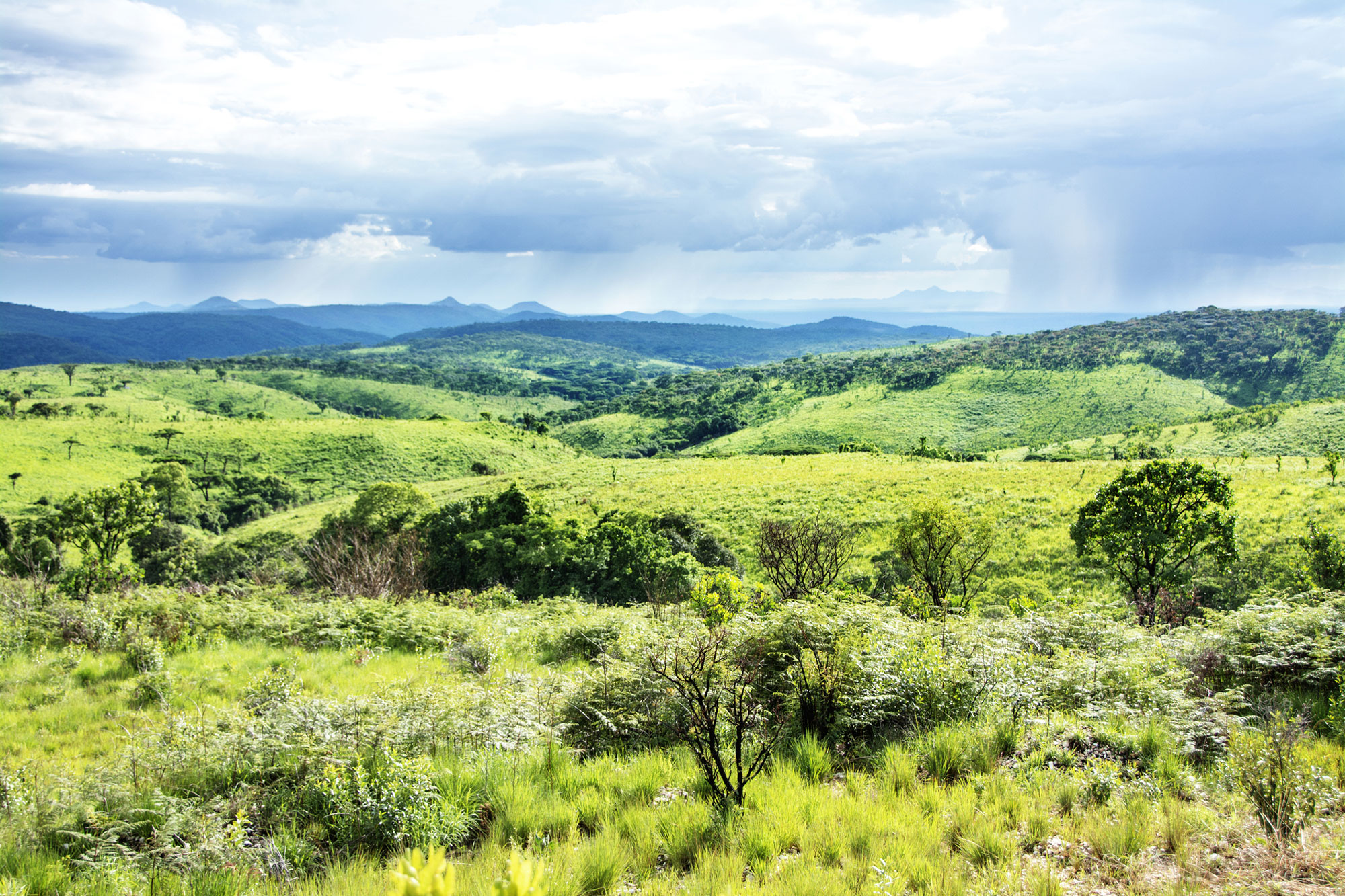
Sitting 2000 metres above sea level, the
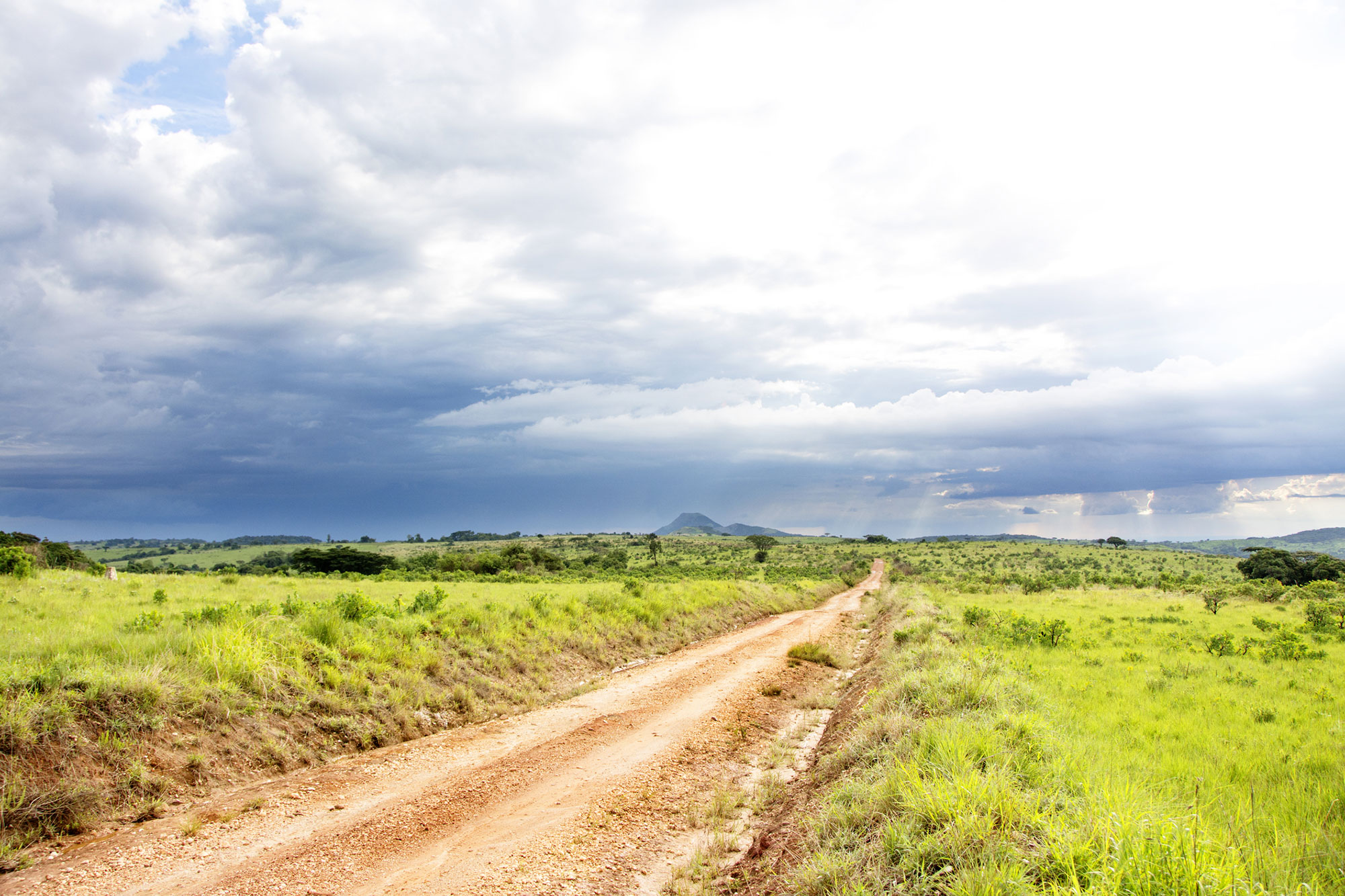
views from the plateau are spectacular and with dramatic cloud formations on the horizon,
this is surely one of the most beautiful places in Africa.

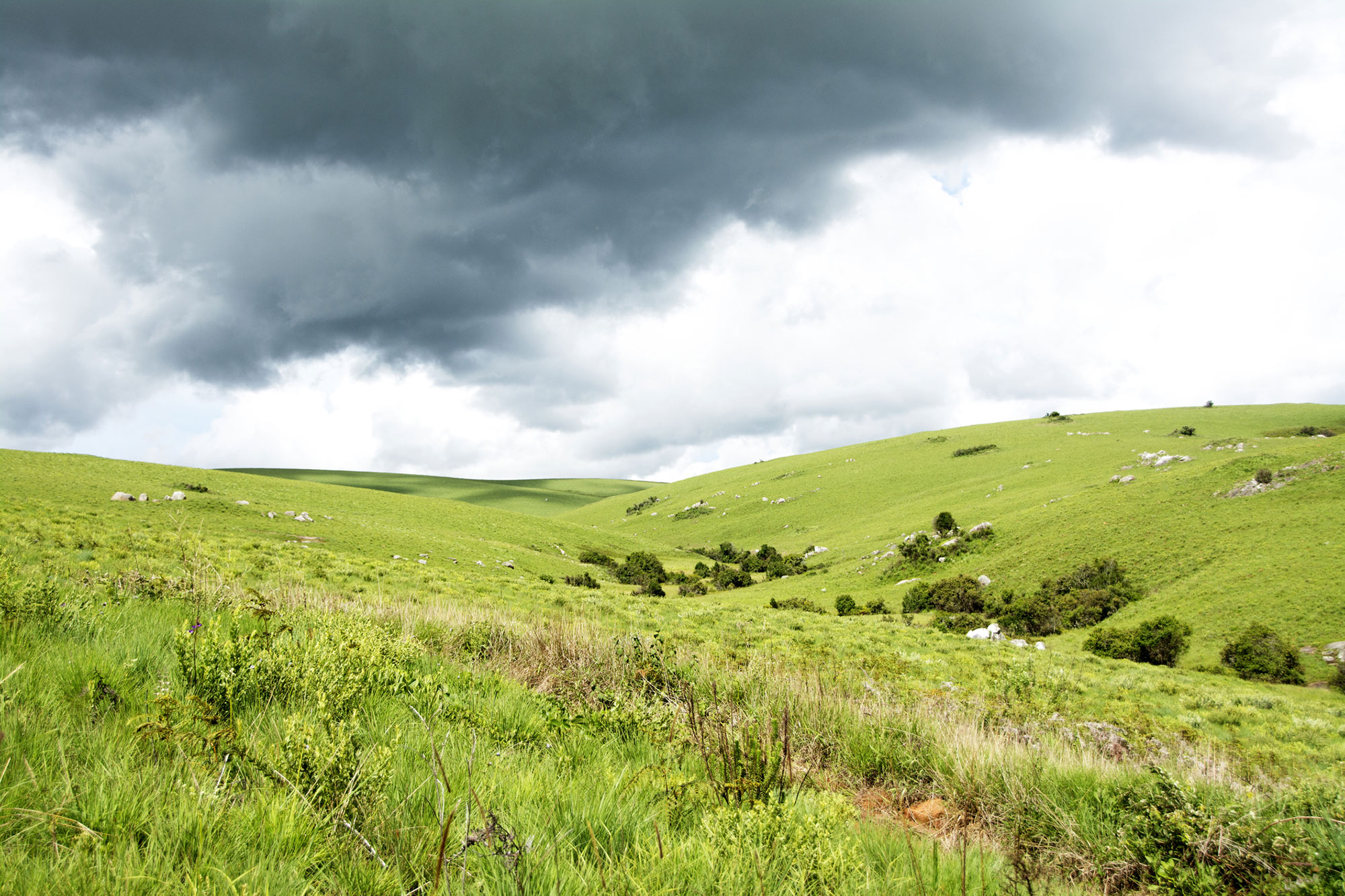
The higher elevations are open undulating
grasslands with incisive valleys, creating panoramic views. Slopes with masses
of wild flowers, rolling green hills and green protea bushes,
rocky outcrops or koppies and small tropical forests. Due to the height its pleasantly
warm during the day as opposed to the intense heat of the
Valley in early summer.

What
to See
Gameviewing
on the plateau is enhanced by the varying
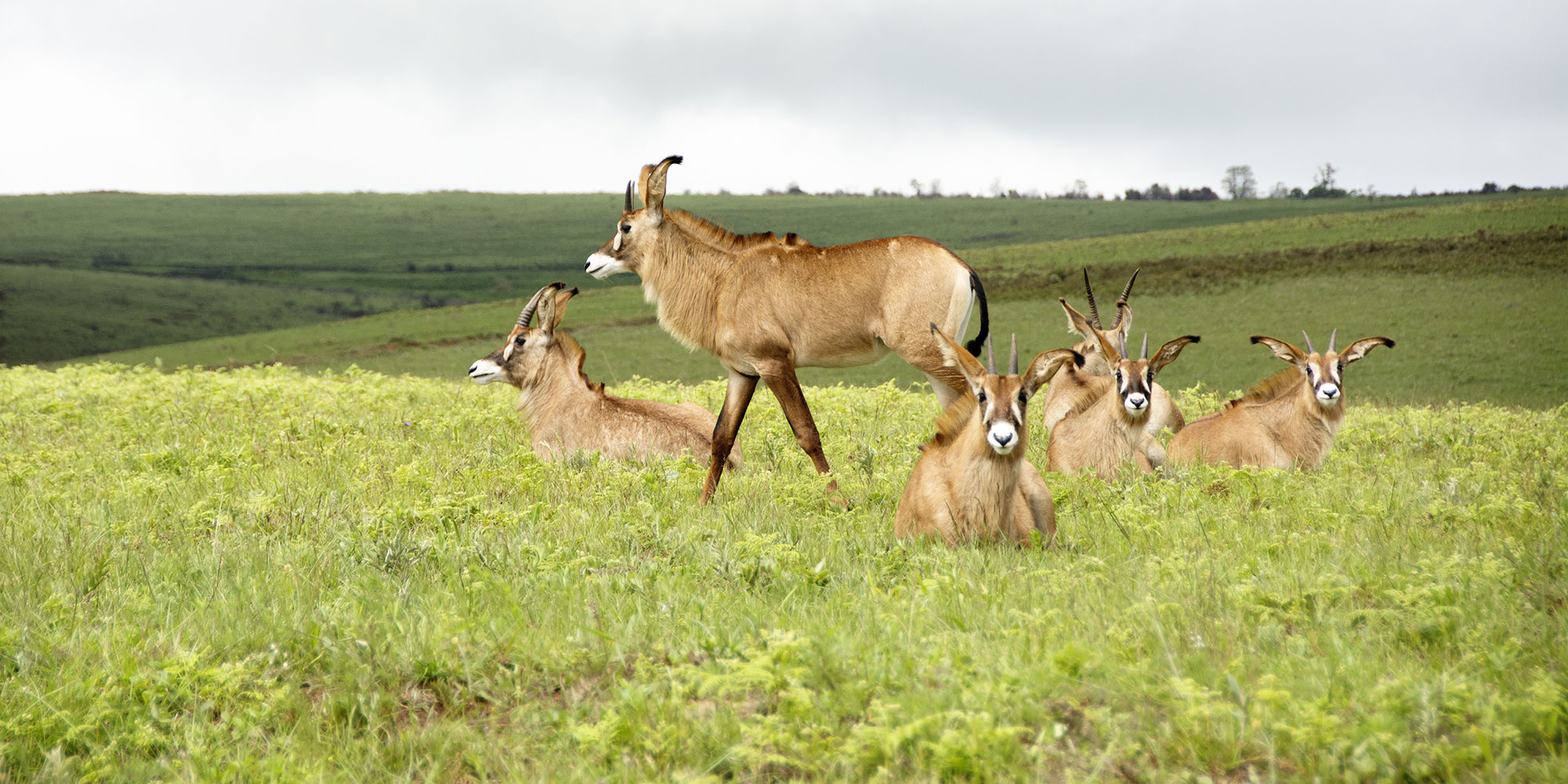
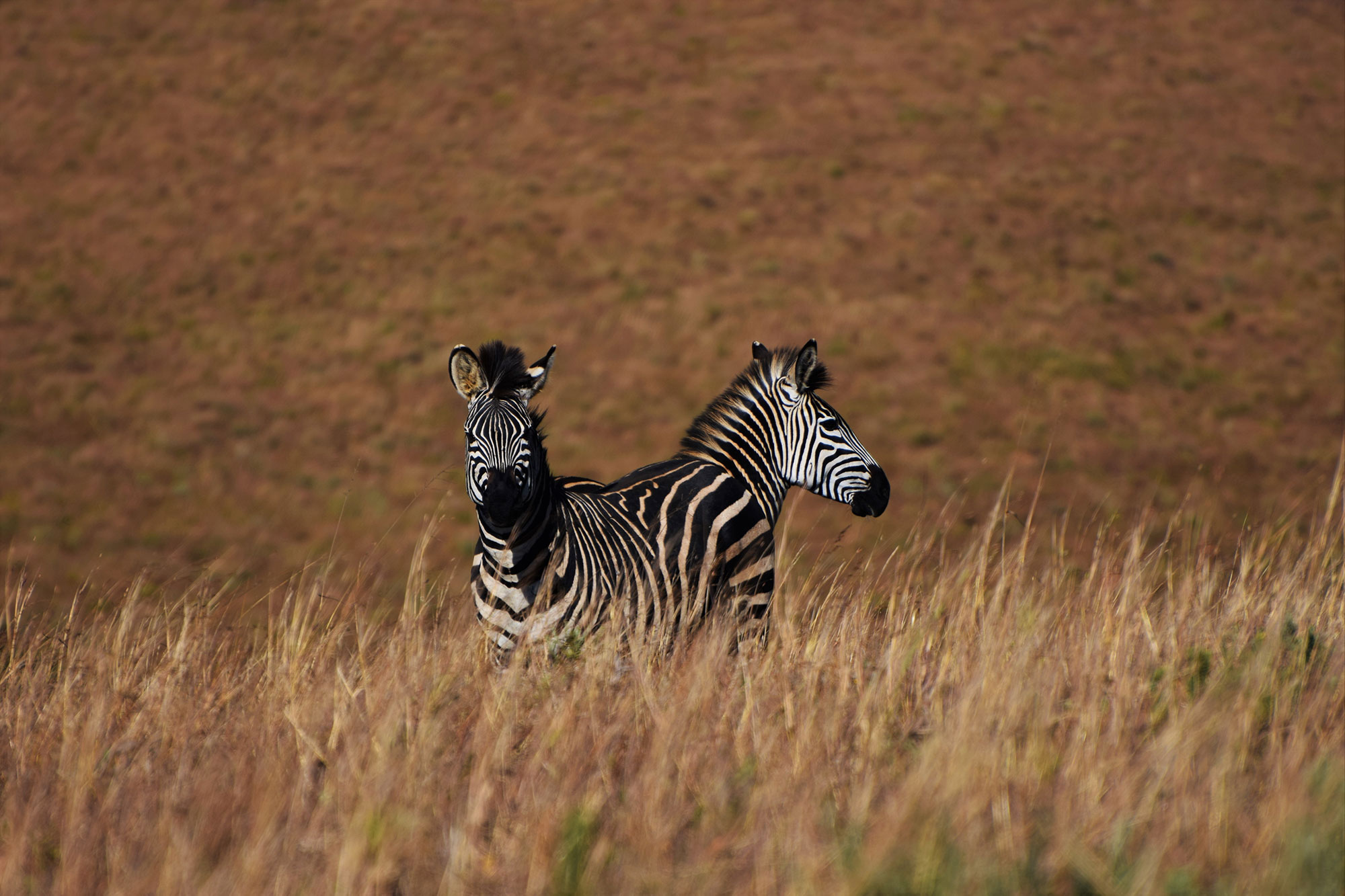
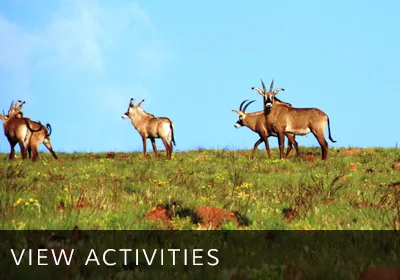
vegetation and panoramic views. Some of the larger animals include
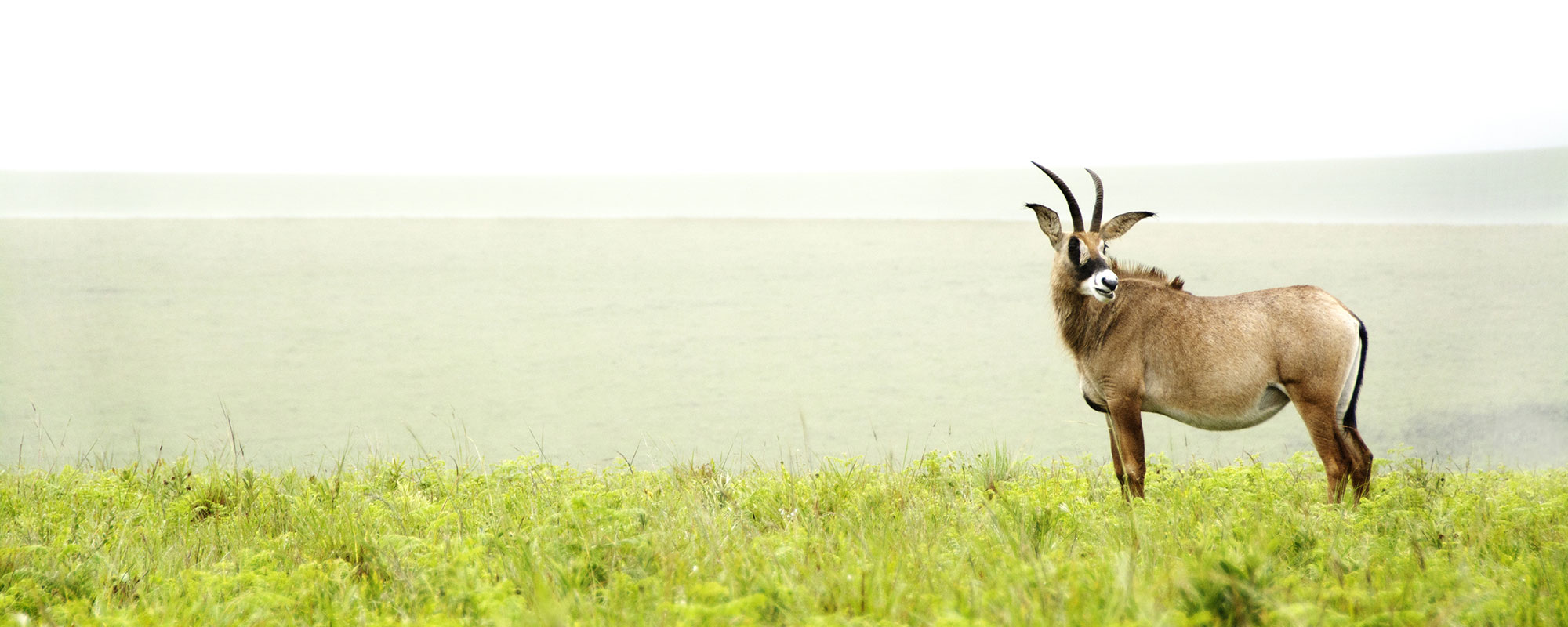
zebra, roan, eland, bushbuck, reedbuck, warthog and
leopard. Nyika is also known for its duiker, including the rare
red duiker, but they do tend to be quite skittish.
Night drives offer much in the way of nocturnal
activities; honey badgers, bushpigs, servals,
civets, genets and bushbabies along with the nightjars who take up their
nightly position in the middle of the dusty roads using the open space as a hunting ground
for insects.
Walking is a delight in Nyika because of the views
and the great variety of wildflowers. In October, there are masses of yellow
Helichrysums
or everlasting flowers, delicate pink and blue Gladioli, Pelagoniums, tiny Hibiscus and
orchids like the spectacular blue disa that grows among exposed rocks. Dissotis shrubs
give splashes of purple to the rocky outcrops. In November the proteas and giant lobelias
come into bloom.
There are small patches of forest with huge
buttress rooted trees, yellowwoods, ebony, red-barked Hagenia trees and many others, some
of which are draped with monkey vines or Lianas. Often blue monkeys can be heard calling
in the woods.
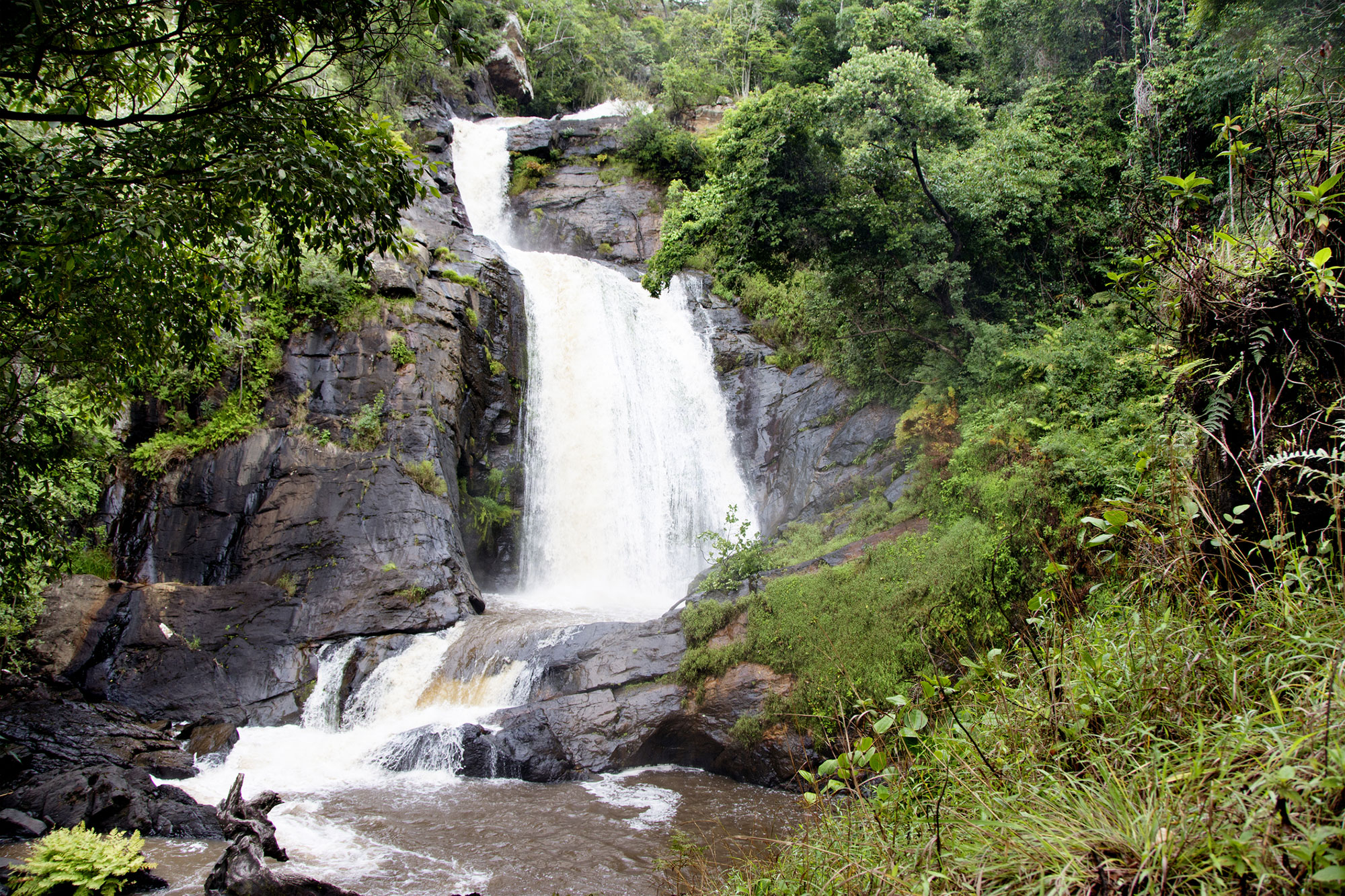
The
Chisanga Falls are a short hike down through the
Brachystegia woodlands with their new spring leaves emerging in rich burgundy colours,
reminiscent of autumn. The falls vary from dry season to wet but theres always a
good rush of water falling no matter the season.
Birdwatching
is excellent
all year round but best between October and January, when migrant birds are present. The
most challenging birds to see are the forest birds such as the bar tailed trogon,
moustached green tinkerbird, mountain greenbul and yellow-streaked bulbul, the starred
robin and Cape batis as well as the white tailed crested flycatcher and the eastern double
collared sunbird among others.
Best
time to go
Anytime of the year is good. The warm season (not exceeding
21 degrees C due to elevation) is from September to May, rains fall between December and
March. When the sun goes down, even in summer, it can get very chilly. The cold season is
from June to August and frosts may occur. Lots of warm clothing is essential at this time.
The best colours occur from November to March after the rains have come, the rolling brown
hills turn into carpets of green and flowers spring up everywhere. Migrant birds also
expand the bird population dramatically. Game viewing however is better in the dry season.
Getting
there
Access to the park is only from the Malawian side which is
open from 0600 to 17h00. Entrance fees can only be paid in Malawian Kwacha at the gate.
There is also a Zambian entrance fee that can be paid at the resthouse. There are various
ways to get to Nyika depending on which season you go and what kind of vehicle you have.
In the dry season (April to October) the park can be reached in a normal 2WD from Chipata,
via Lundazi. Cross over the border into Malawi via Mzimba and Mzuzu and then onto the
Plateau. One
can also approach from Mpika in Zambia then on to Isoka, (last stop for fuel
in Zambia). On to Muyombe where you clear Zambian customs, then over to Katumbi in Malawi,
clearing Malawi customs and to the plateau. In the wet season, if in 2WD, one should
approach from Lilongwe in Malawi via Mzimba and Mzuzu. If youre approaching from
Zambia in the wet season, a 4WD is necessary to get up to Lundazi from Chipata, through
the border with Malawi at Lusuthu then on to Mzimba, Mzuzu and the Plateau. 4WD is
recommended for the less accessible areas in the park, but a 2WD is adequate for most
roads in the park in the dry season. Extra fuel supplies also recommended, otherwise be
sure to fill up in Rumphi in Malawi, just before the plateau.
Where
to stay
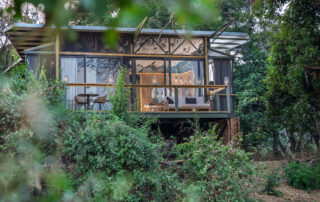
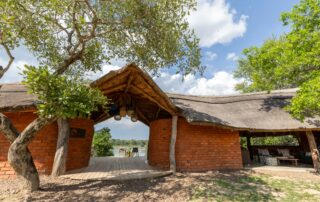
On the Zambian side there is a lovely old colonial style
rest house with panoramic views of the plateau. Built in 1952, it has been renovated and
has four double bedrooms with basins and two bathrooms/toilets with hot and cold running
water. There is a communal dining room and sitting room with an open fireplace. It is self
catering but fully equipped with staff on hand for all kitchen and laundry services.
Be sure to bring warm clothing and windbreakers and a good
sun hat. Due to the exclusive nature of the resthouse, camping is not encouraged unless
large groups of more than eight book the whole resthouse and the extra numbers are
accommodated in tents.
PHOTO GALLERY
|
|