
LUAMBE NATIONAL PARK
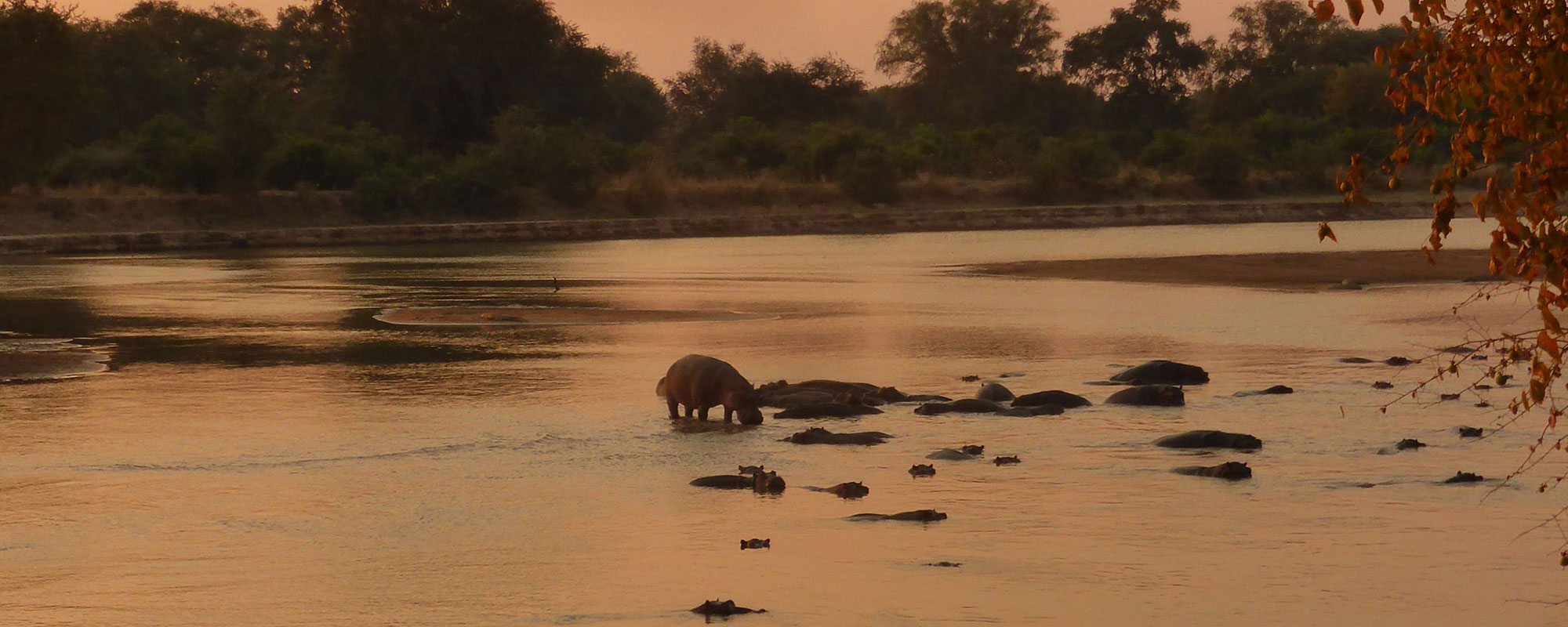
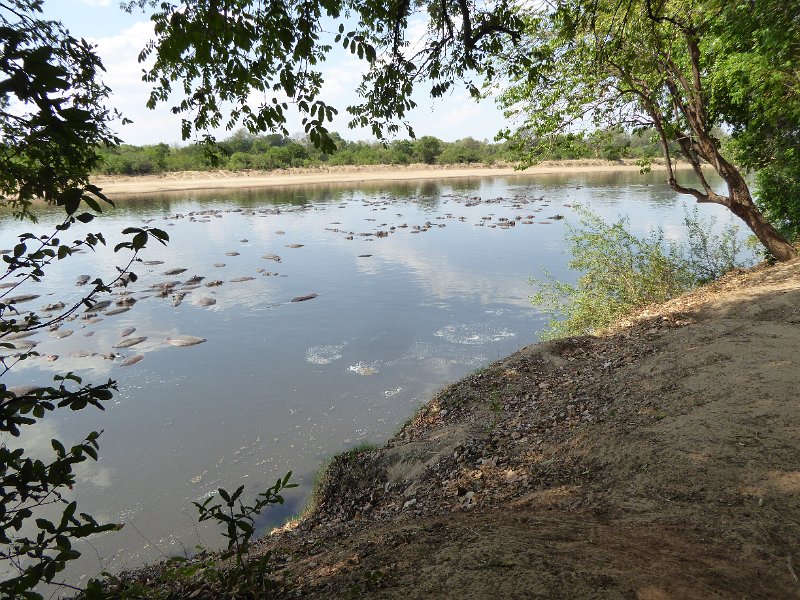
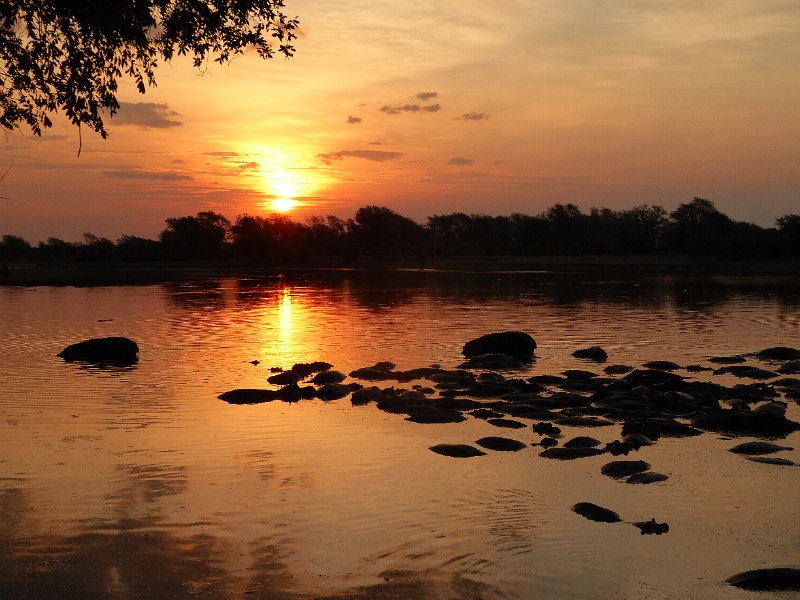
At just 254 km² / 158mi², Luambe is one of Zambia’s smallest national parks (the smallest is Lusaka National Park). Situated on the eastern bank of the Luangwa River, it lies in the heart of the Luangwa Valley between Lukusuzi, and North and South Luangwa National Parks. It was declared in 1938 and is one of the oldest conservation areas in Zambia.
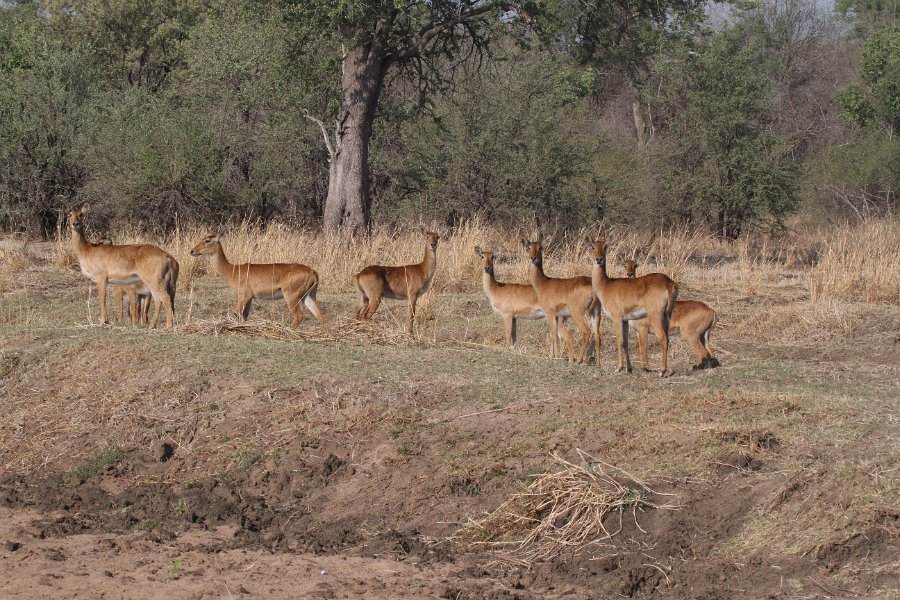
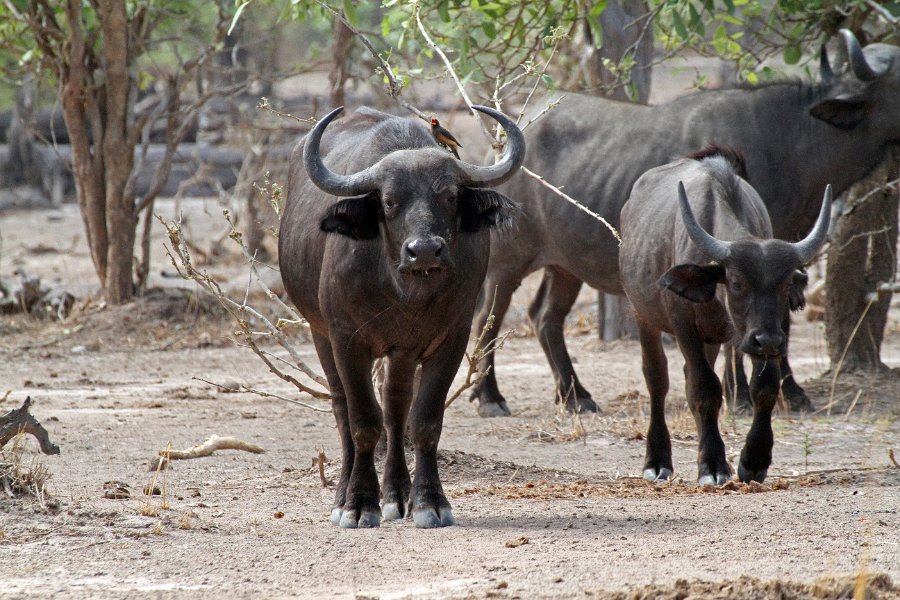
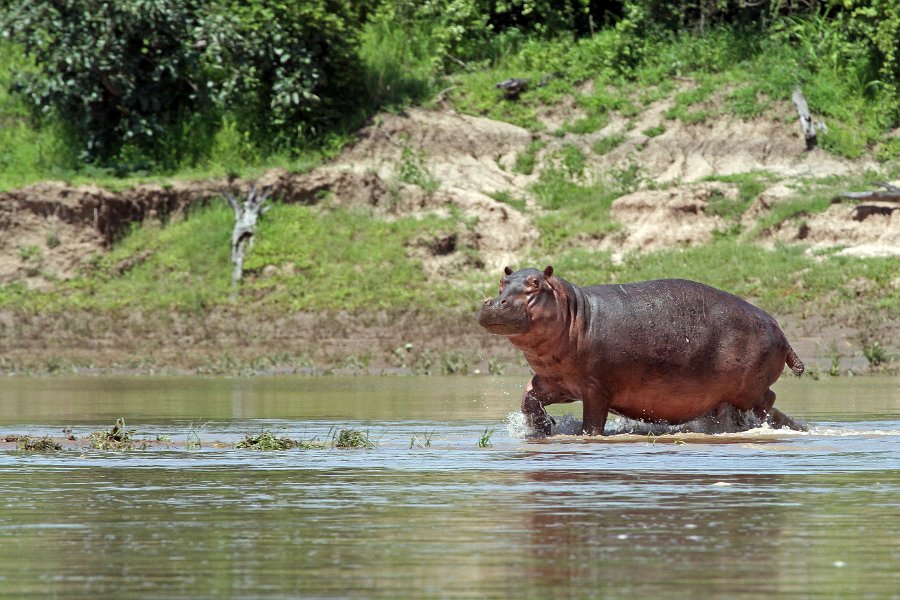
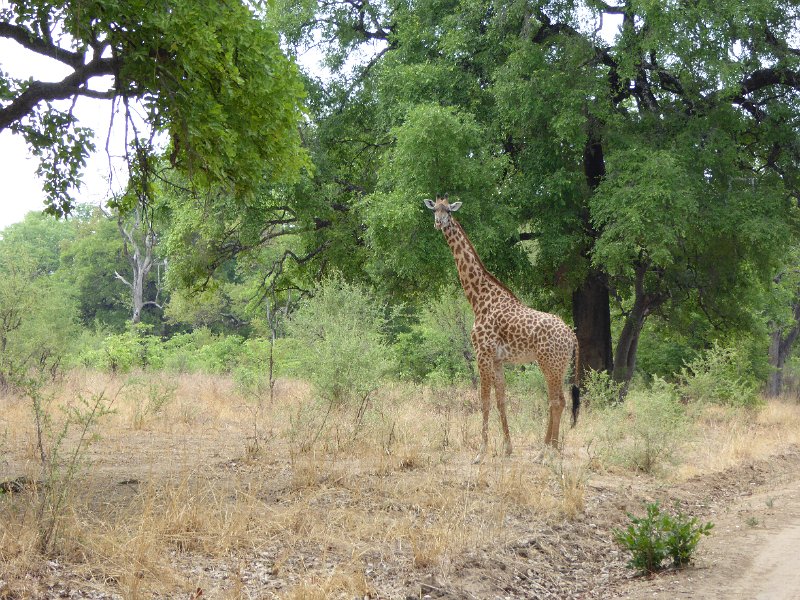
The wildlife found in Luambe is similar to that of its larger neighbouring parks and includes all the typical large herbivores and carnivores as well as some less well-known species. However, the animals of Luambe are generally present at lower densities than in the bigger parks with the advantage that Luambe is less crowded than its more famous neighbours.
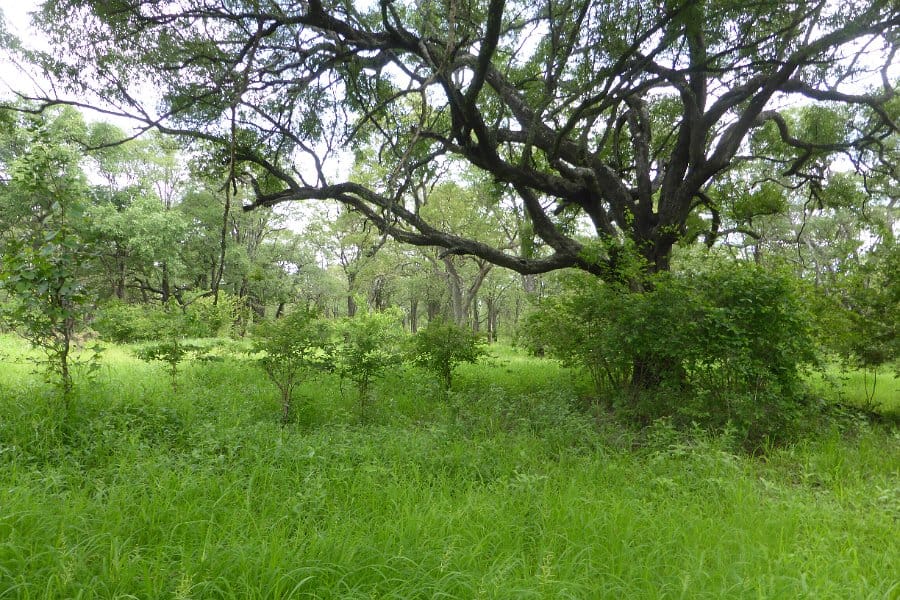
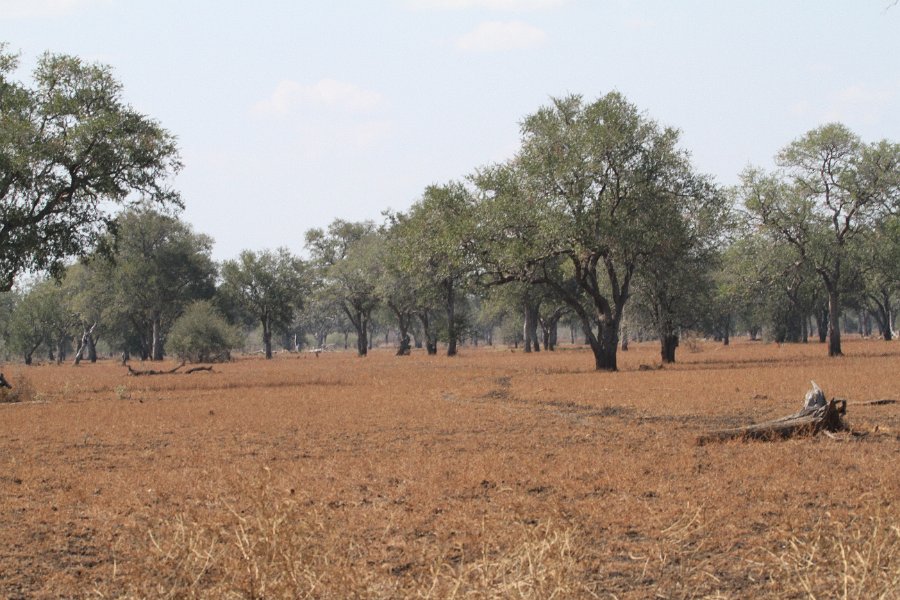
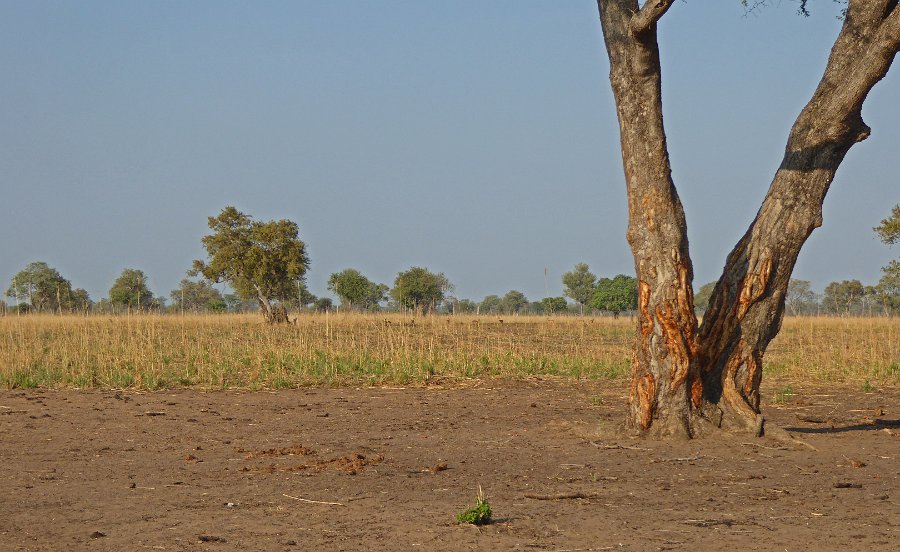
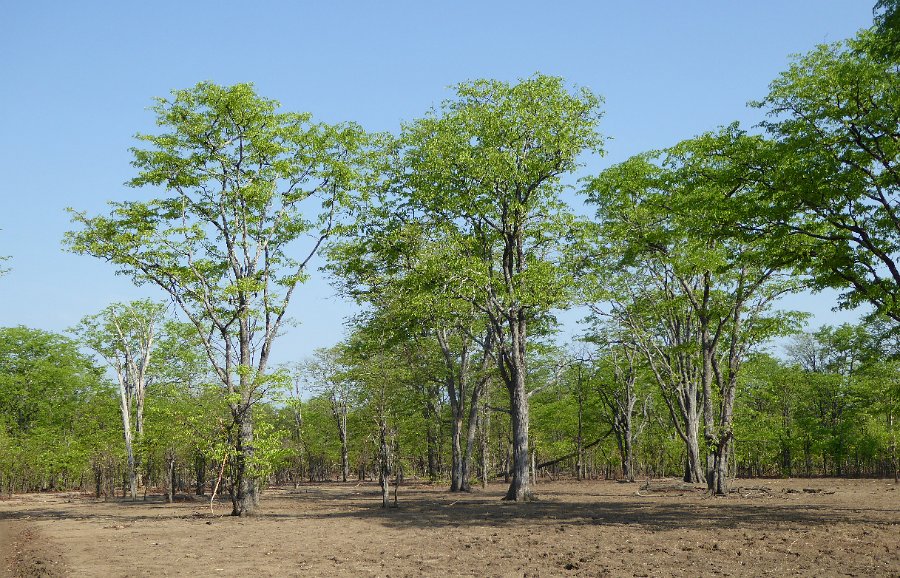
Habitat diversity is enormous and within short distances the vegetation ranges from riverine forest, cathedral mopane woodland and floodplain acacia thickets to the sausage tree-dotted open grasslands of the Chipuka Plains.
There are over 200 species of bird in Luambe and elephant, lion and leopard populations are on the increase – so it’s well worth visiting now before everyone else catches on!
MORE INFO

LATEST NEWS
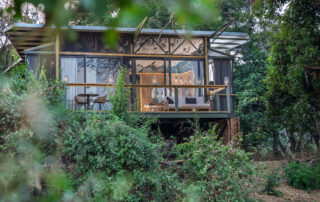
New Premium Units at Shawa Luangwa
Shawa Luangwa by Green Safaris has begun a new chapter with the introduction of two new Premium Units, adding more space and privacy while retaining the intimate character that has always defined the camp. Overlooking the Luangwa River near the [...]
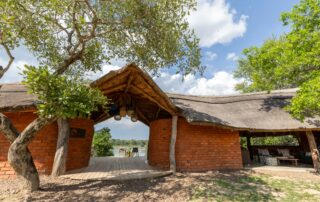
Mawimbi Remains Fully Operational Following Main Area Fire
Mawimbi Bush Camp in Kafue National Park remains fully operational following a fire, with no injuries reported and rebuilding plans underway ahead of the 2027 season. Close to midnight on 8 September 2026, fire broke out in the main guest [...]
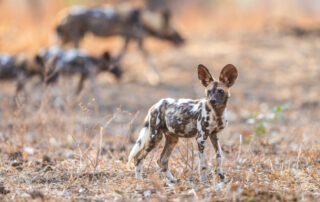
Wild Dogs Set Record for Long-distance Mammal Movement
Three male African wild dogs from Kafue National Park have completed the longest recorded mammal movement on the African continent, travelling 4 126 kilometres / 2 564 miles over nine months in search of new territory and mates. The litter mates, known as the Mayukuyuku males, departed their [...]