Explore Zambia's most
            comprehensive Travel Guide


HOME

.
  HIGHLIGHTS
   Victoria Falls
   The Zambezi River
 
   Lake Kariba  
   Lake Tanganyika  
  
More...

  GAME PARKS
   South Luangwa
   North Luangwa
   Lower Zambezi
   Kafue 

   Lochinvar
   Sioma Ngwezi
   Kasanka
   More ....

 SAFARIS
    Walking Safaris
 
 Birding Safaris
   
Canoeing Safaris
 
 Mobile Safaris
   
Elephant Back Safaris
  
Horse Back Safaris
  
Photographic Safaris
 
 Open Vehicle Safaris

  ADVENTURE /SPORT
   
White Water Rafting
    Bungi Jumping
    River Boarding
  
 Tandem Kayaking
   
Abseiling
   
Gorge Swinging
   
House Boating
    Tiger and Fly
Fishing
   
Lion Walks
    Cheetah Walks
   
Elephant back Trails
    Driving around

  CITIES & TOWNS
    Lusaka
 
 Livingstone  
  
The Copperbelt  
 
 More

  DIRECTORY
    Accommodation
   
Adventures
    Embassies
    Golf Courses
   
Govt Offices
    Private Reserves
    Restaurants-Lusaka
    Safari Operators

    Transportation
    Tours
    Travel Agents
     

  TRAVEL INFO
  
Quick Facts
  
Getting There
   
Getting Around
   Handy Information
  
Visa Info  
 
  WILDLIFE

  
 Illustrated Checklists

  BIRDLIFE
  
 
In depth synopsis
   
Checklists

 PEOPLE
   History
  
Culture
  
Major Tribes
  
Ceremonies 


  ENVIRONMENT
   Geography
  
Vegetation
  
Conservation
 

  MAPS
  PHOTO GALLERIES
  VIDEOS
  TOUR & SAFARI Co's
  LINKS
  ENQUIRIES

  ADVERTISING


DRIVING AROUND ZAMBIA


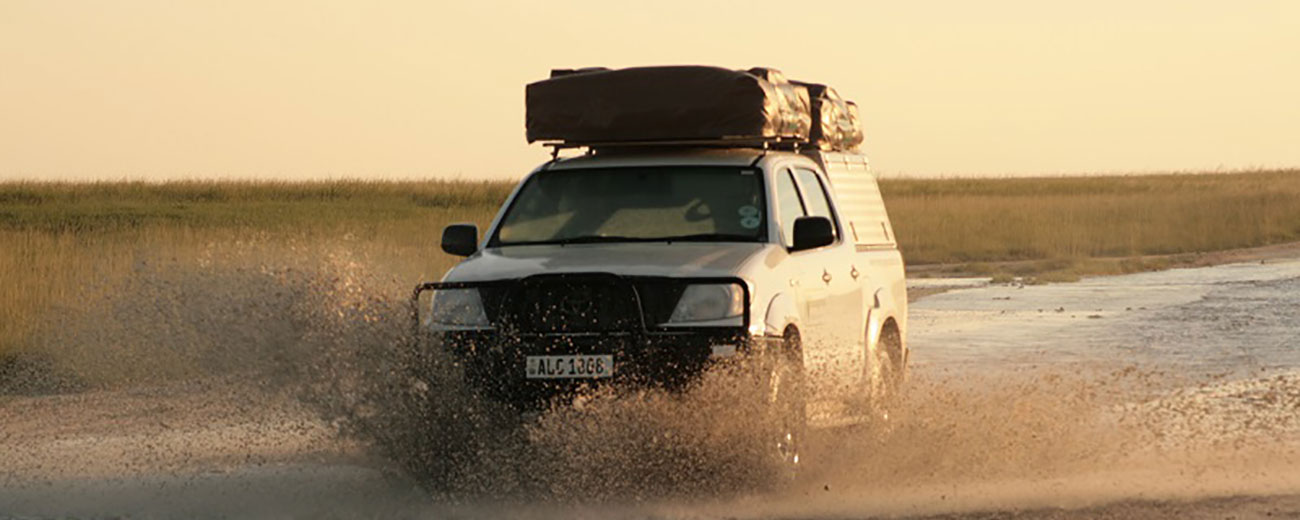
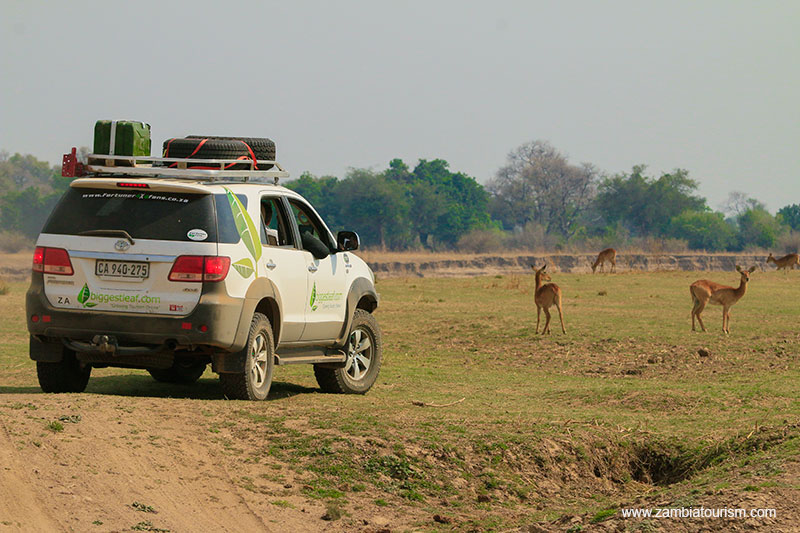
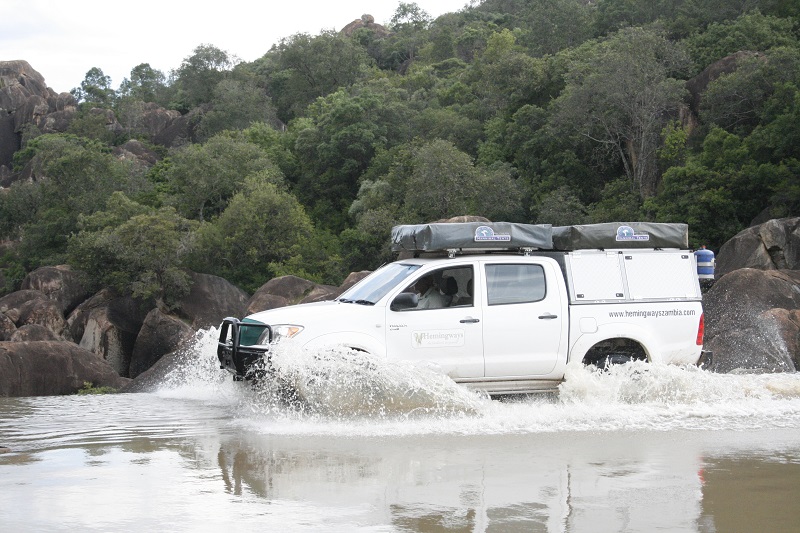
Land RoverZambia offers a superb gateway for vehicle travellers wanting to get off the beaten track. Bordered by Namibia, Botswana, Zimbabwe, Malawi, Tanzania, Mozambique and Angola, Zambia lies at the heart of the subcontinent.

Untainted by commercial tourist development. Zambia is a working example of Africa left alone. A big country, uncompromising and challenging....but real...... home to true adventure and quality experiences enhanced by a warm and friendly people.

Depending on where you're coming from, or where you're headed, here are suggestions of routes to take to see the best of the East, West, South and Northern regions of the country. This section will be expanded to include more detailed routes soon.

See below for Travelling Tips
See Car Hire for chauffeur driven or self drive cars, minibuses and 4x4's to hire

Click here for an informative article on driving in Africa, and specifically Zambia


EXPLORE ZAMBIA BY VEHICLE
 

THE EASTERN ROUTE                    MAP
From the Valley to the Mountains


THE SOUTHERN ZAMBEZI ROUTE     MAP
The world's greatest Waterfall, Africa's biggest man-made lake and the legendary Zambezi Canoeing Safari


THE NORTHERN CIRCUIT                      MAP
Swamps, lakes, waterfalls, wildlife, a colonial mannor house, hot springs and Dr. Livingstones' final resting place
OUT WEST                                                 MAP     MAP

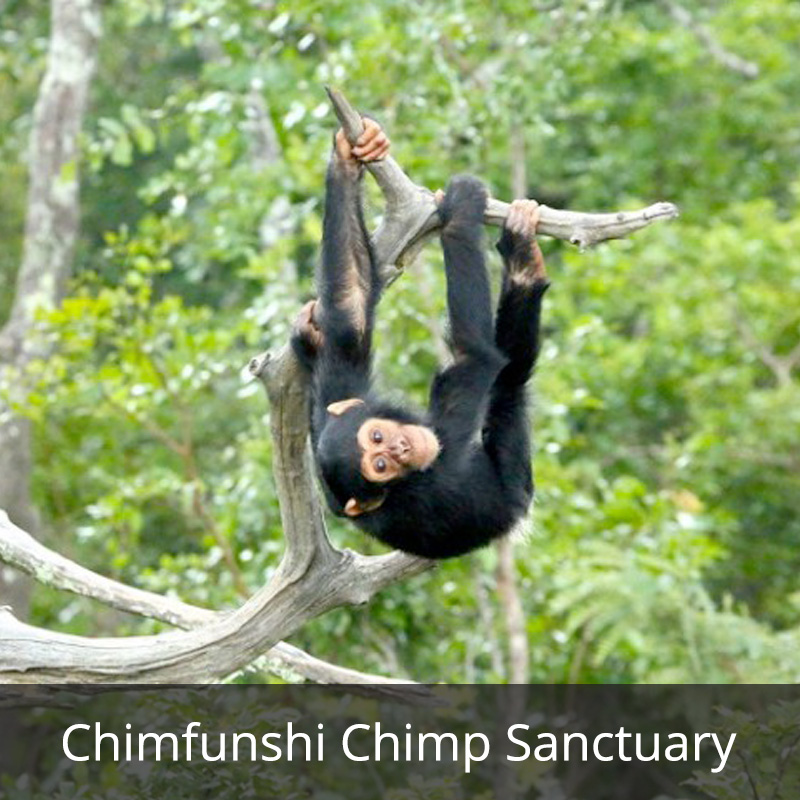
World class tiger fishing, abundant wildlife and champions for chimps


TRAVEL TIPS

See also: Getting Around Zambia

   VEHICLE TRAVELLERS

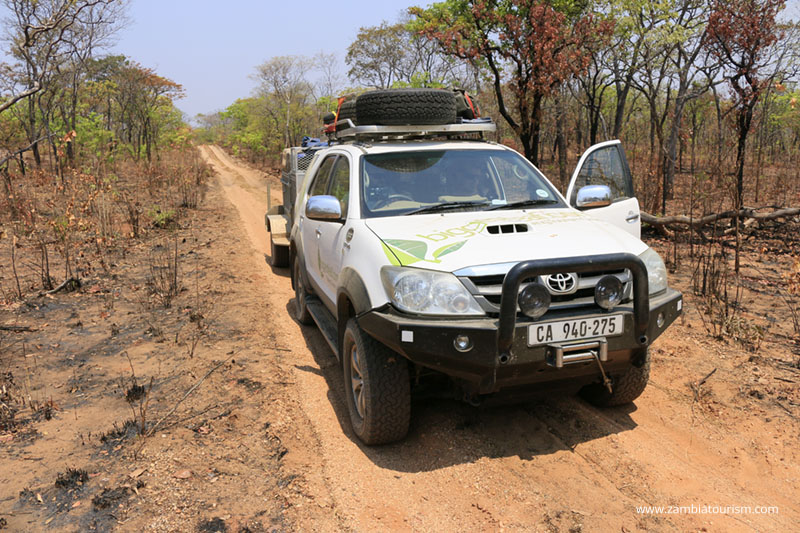
If you’re doing a vehicle trip through Zambia it is a good idea to carry a range of tools and essential spares with you. Two spare wheels and a couple of spare tubes are a must due to the condition of the roads. Spare jerry cans of fuel and water, a tow rope, compressor, winch and a spotlight are useful items to have. Many of the villages along the main routes offer tyre mending services at a very reasonable fee.  Road maps are available in Lusaka from the Map Centre in Nationalist Road or the Tourist Board in Lusaka Square, Cairo Rd.

   CAMPING

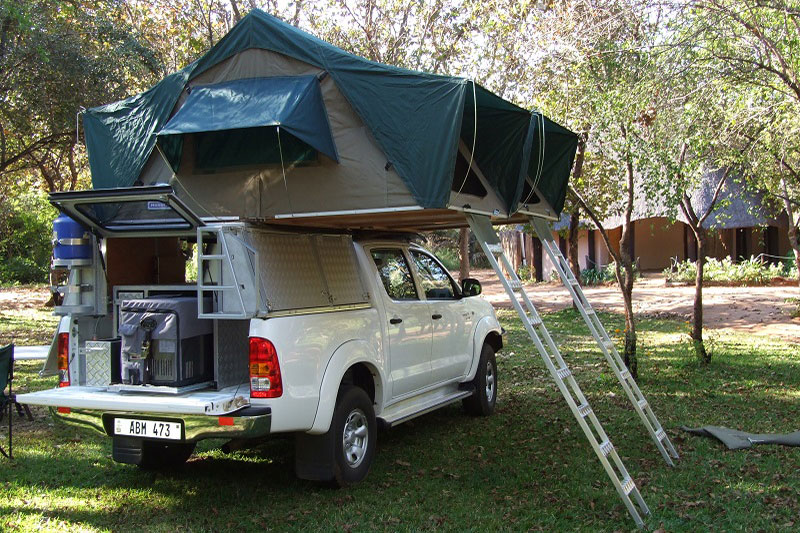
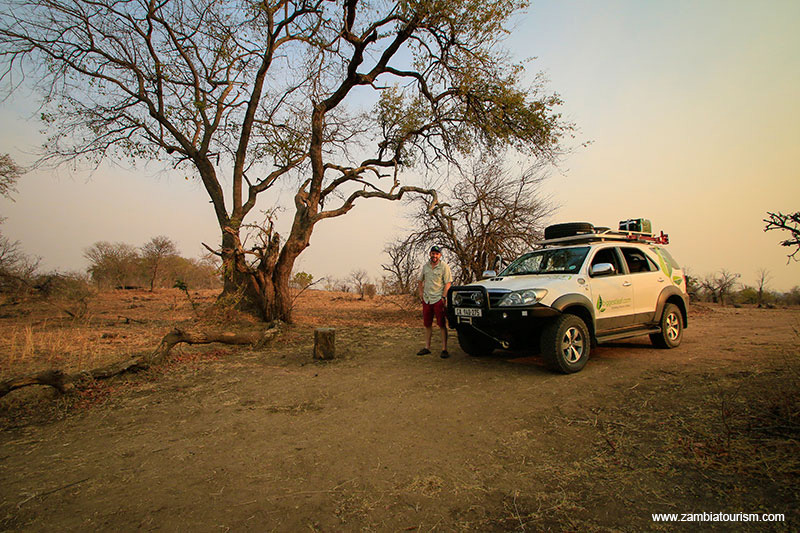
Zambia is a fascinating country to travel around by vehicle. Even though camping facilities are marginal, if you’re well prepared you can find some of the best, unexplored and remote places in the country and very often have them all to yourselves. Be fully equipped for spending the night with no facilities at all except perhaps a nearby river. Have a bucket for washing pots and clothes, all cooking gear and all the food you need for the whole journey apart from fresh vegetables. Meat is not always available in the remoter areas so bring substitutes. Most villages will sell onions, tomatoes, potatoes, bread, sugar, salt and oil. You can buy just about anything you need for your journey in Lusaka, but tinned food is pricey. Always have at least twenty litres of drinking water in the vehicle at all times as well as spare jerry cans of petrol. It is best to boil all water before drinking it.

Be very careful in towns and villages not to leave your vehicle open and unattended. People with little are easily tempted. You should have no problem sleeping outdoors in designated camping areas or remote places along the way, but get into the habit of locking things away before you go to sleep. Go to Campsites Listing  

   ACCOMODATION

Zambia has a wide range of standards when it comes to places to stay - from five star hotels and luxury lodges comparable to any in Africa, to cheap guesthouses and good campsites. Foreigners must pay in hard currency except for the smaller guesthouses. Not all of the cheaper / remote ones are equipped to take travellers cheques or credit cards. Be aware of the ‘extra’s’ added onto your bill - 10% service charge and 17.5% VAT (1999) See Listings for Hotels or Game Lodges or Campsites 

   WHEN TO GO

Zambia’s three distinctive seasons provide visitors with different perspectives depending on the time of year.

The Luangwa Valley for example is best for game viewing during the dry season from June to October, but the rainy season, with its spectacular profusion of greens and reds changes the landscape dramatically and the bird populations increase with the arrival of migrants from the north.

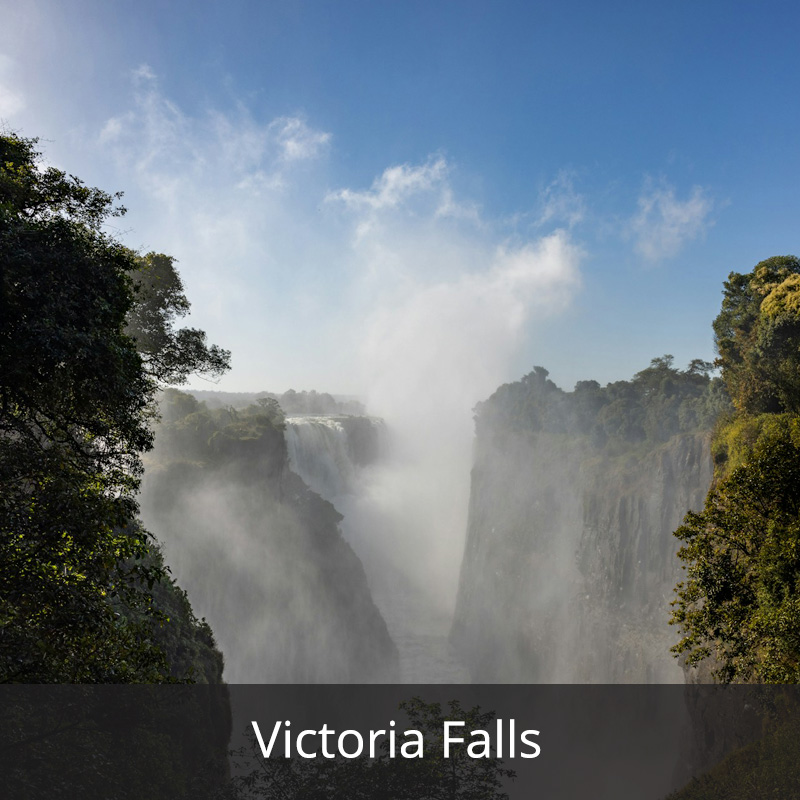
The Victoria Falls are at their most spectacular between April and May after the rainy season but often the spray is so thick it is difficult to see the full width of the falls. To appreciate the magnificent rock formations and gorges, it is just as interesting to come when the water is low at the end of the dry season from October to December.

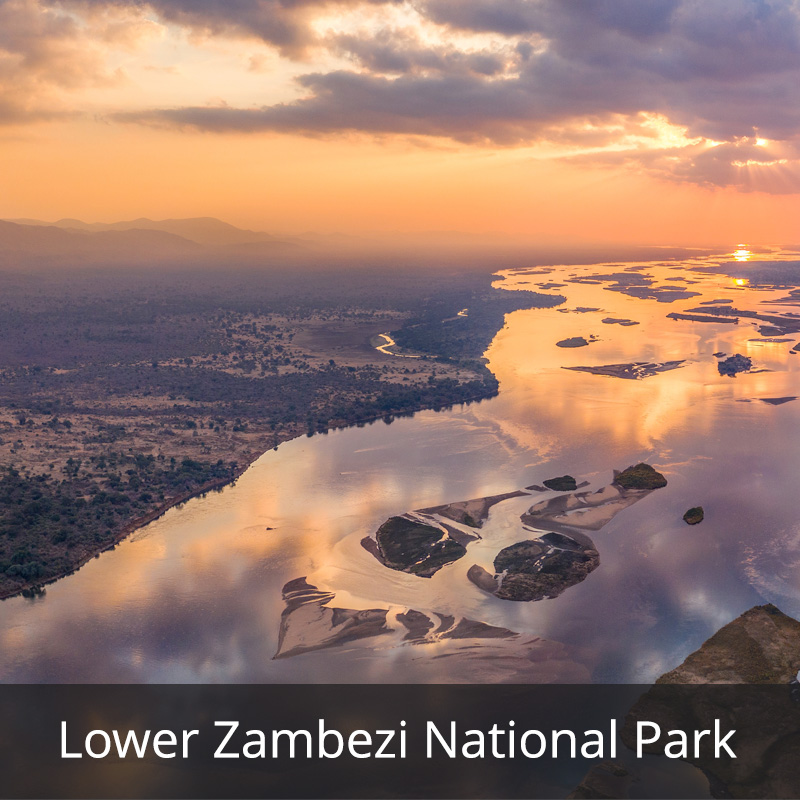
Kafue National Park is best from May to October as is the Lower Zambezi. Ideal road travelling months are April to September as the heat is at it’s most bearable.

   THE PEOPLE

Zambia has over 73 different tribes, with a population of just over nine million people most of whom live in and around the urban centres. The population growth however, at 3.7 % p/a is among the highest in the world.

In the cities, especially Lusaka, where there is massive unemployment and poverty, the informal sector has been allowed to multiply at an alarming rate. There are now fewer people selling wares on every corner, pavement and traffic light. There are, as in most big cities, hieves, pickpockets and beggars, but if you don’t walk around with anything obviously stealable, it’s quite safe and most will be more than willing to chat or give directions. For the most part Zambians are very friendly people.

There is no predominant ethnic culture and Zambians are fast becoming westernised. There is however, an attempt to maintain traditional customs with the revival of ancient tribal ceremonies amongst the various tribes in different parts of the country. If any of these are taking place during your visit, they’re well worth attending. (See The People of Zambia)

   SAFETY

As far as personal safety is concerned, one could easily travel or even hitchhike alone throughout the country without a problem. Theft however is rife in the bigger towns and cities. Don’t walk around with things you can’t do without, like your passport or airline tickets. Carry minimum amounts of cash and keep it hidden or in a money belt and if possible, don’t leave your car unattended. This is less of a problem in the rural areas.

  CLOTHES

Zambia has mild winters and the summer days can get quite hot. Lightweight casual clothes can be worn all year round, with a jacket or jersey for early winter mornings and evenings. On safari keep clothes to a minimum and mostly of neutral colouring - khakis, browns and greens. A sunhat, sunglasses, sunscreen and insect repellent are a must.

   LAUNDRY

For low budget travellers there are no coin operated laundromats at all so consider drip dry clothing and be prepared for hand washing. In most places one could hire someone to do your washing.

   HEALTH

A yellow fever certificate is mandatory if you are travelling from an infected area. Vaccinations for cholera, tetanus and yellow fever are advised. Malaria is virulent in the low lying areas of the country which include most of the good wildlife destinations. Take prophylactics two weeks before arrival and continue two weeks after leaving. Your chemist or doctor can advise you of the most suitable drug available as certain drugs lose their effectiveness.

Tap water in the major towns is purified and perfectly safe to drink. In the more remote areas always boil it first, except if you’re staying at a lodge or hotel where drinking water is boiled already. Bottled water is readily available in the bigger towns. 

   PHOTOGRAPHY

Zambia is an extremely photogenic country. From panoramic scenery, wildlife and birds to people and vibrant ceremonies. Rich color and good low lighting conditions abound. It is considered rude to take pictures of people without asking them first. Only print film and processing is available in Lusaka, not slide. Keep your cameras in a dust resistant, padded case and out of the midday sun. A 200mm (or longer) telephoto lens will prove very useful.

   ON SAFARI

Always remember that while some animals have become accustomed to the presence of people they are still wild animals. Keep your distance. It is illegal to feed any animal, make excessive noise to attract their attention, or deviate from designated roads for that closer photograph. Never get out of your vehicle except at designated points. Close all windows and zippers when you leave your room or tent and spray it with insect repellent.

The best way to get the most out of your safari is to take an active interest in everything going on around you, not just the number of species you can see in the shortest possible time. Take reference books on not only wildlife but birds, insects and trees and read up about everything you see.

   BORDERS

All borders are open from 6h00 - 18h00 except Victoria Falls which stays open until 20h00.

   VISAS

Visas into Zambia are payable by non-commonwealth visitors except the UK, and can be paid at the border.
See visa info page


   INSURANCE

PTA insurance must be purchased either before leaving or at the border. Travel insurance and medical insurance should be taken out before leaving home. Have all your vehicle papers on hand for roadblocks.

   PARK ENTRANCE FEES

An entrance fee of $10 is payable per person for entry into National Parks, except South Luangwa which is $20 per person. There is also a $5 vehicle fee. Kafue Park $15 
See all park entry fees

   SUPPLIES

Most food supplies and second hand spares can be obtained in Zambia. Medical supplies however are not readily found outside Lusaka.

   PETROL

Both diesel and petrol are available in all towns and intermittently in small villages. Always take extra jerry cans of fuel if driving to the more remote regions.


Google

VIDEOS
with short clips on
safaris, wildlife,
Victoria Falls,
adventures and more

CLICK HERE
for the Tourist Board
Video on Zambia


GALLERIES
Photo Gallery Pages
by destination,


BROCHURES

*
Destination Zambia

* Zambia Highlights

 * Tourism Investment
Opportunities in the
 Kafue National Park


TOURS & SAFARIS
Book accommodation
 or a guided tour
anywhere in Zambia


Follow us on


Hemingways  
offers  specialist vehicle hire and disabled accessible transport and can organise accommodation and adventure activities throughout Zambia and Southern Africa.