Zambia has presented its Green, Resilient and Transformational Tourism Development Project (GREAT-TDP) at COP31 to the UN Framework Convention on Climate Change (UNFCCC) to showcase tourism as a positive driver of climate resilience, biodiversity conservation and sustainable economic growth, according to Efficacy News.
The presentation outlined how the government is integrating climate adaptation, environmental protection and community development into tourism investment and destination planning.
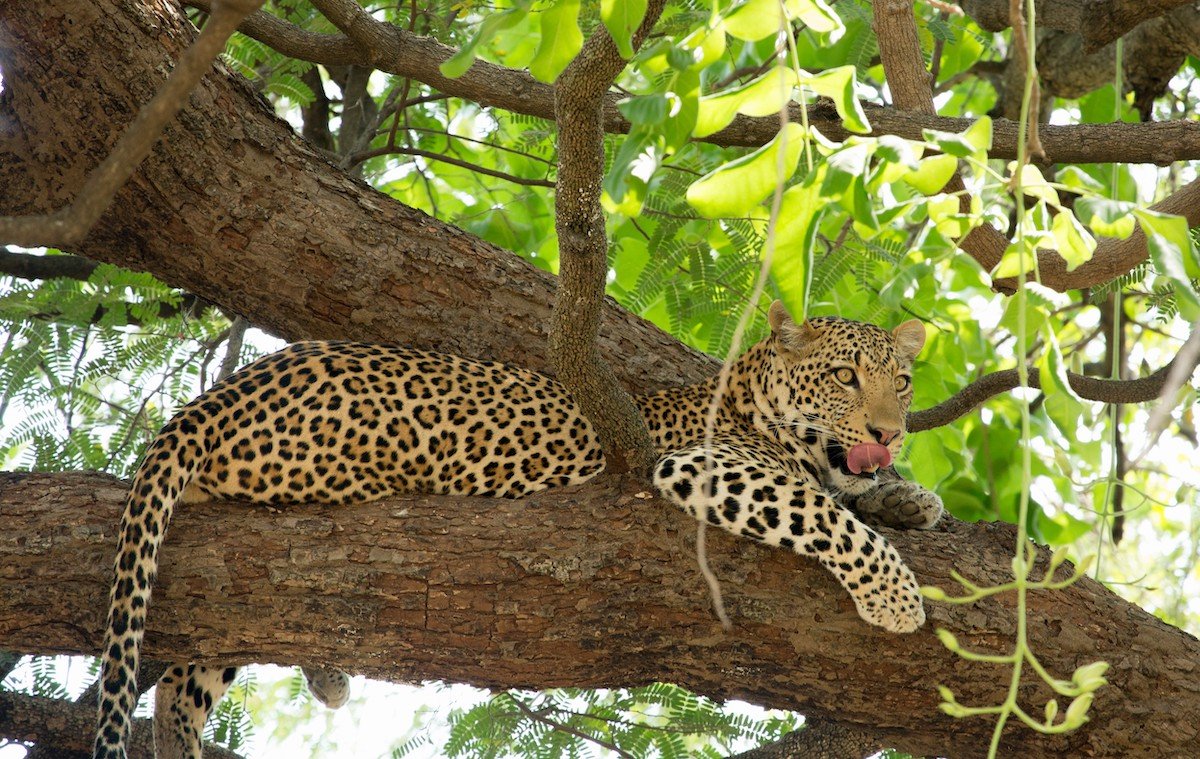
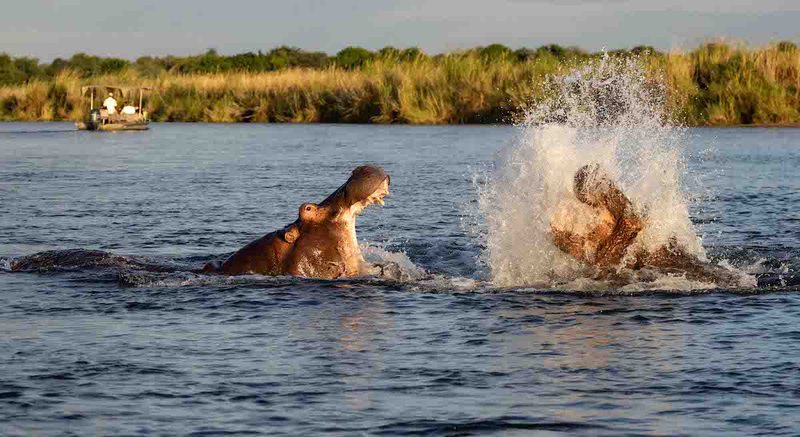
Zambia has significant tourism potential, with 20 national parks, 36 game management areas, more than 23 million hectares dedicated to wildlife conservation and cultural heritage comprising over 70 ethnic groups and nearly 100 traditional ceremonies.
The GREAT-TDP, which is supported by the World Bank’s International Development Association (IDA), wants to expand economic opportunities in tourism destinations by boosting the enabling environment and access to climate-resilient infrastructure.
It focuses on:
- Sustainable infrastructure development
- Environmental conservation
- Destination planning and community empowerment
- Investment opportunities around climate-resilient visitor facilities, solar-powered street lighting, improved destination accessibility and tourism product diversification
- Developing tourism circuits
- Strengthening local participation in tourism value chains, especially through entrepreneurship, skills development and employment opportunities for women and the youth
The government also highlighted the project’s contribution to climate action through climate-smart tourism development, sustainable natural resource management and the protection of natural and cultural heritage.
The GREAT-TDP is structured on three main priorities:
- Climate adaptation
- Nature conservation
- Social inclusion
These pillars are integrated into project planning through climate risk assessments, ecosystem protection and support for community-based enterprises.
The project aligns with Zambia’s National Adaptation Plan (NAP) and Nationally Determined Contribution (NDC 3.0), particularly in strengthening climate-informed planning, improving infrastructure resilience and supporting adaptation-focused investments.
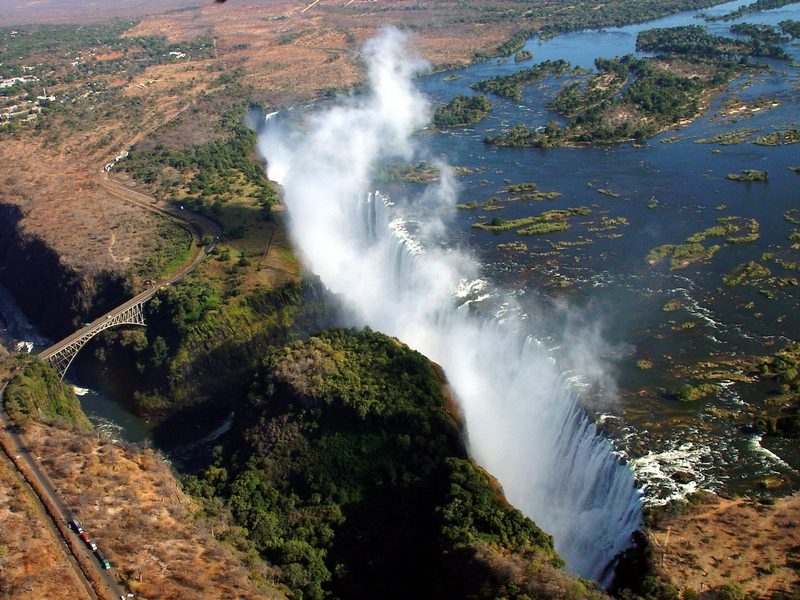
Potential case studies presented at COP31 included Livingstone, Nsumbu National Park, Liuwa Plain National Park and the source of the Zambezi, where climate-resilient tourism investments are intended to address environmental vulnerabilities while creating economic opportunities for surrounding communities.
Progress recorded under the project includes:
- The installation of solar-powered street lighting along tourism corridors in Livingstone
- Feasibility studies and designs for Jeki (Lower Zambezi), Chunga (Kafue) and Kalabo (Liuwa Plain) airstrips
- Improved tourism planning and investment readiness, and expanded opportunities for sustainable tourism through matching grants
The project has also strengthened collaboration among state institutions, local communities and private sector stakeholders to support tourism development. It emphasises the importance of environmental and social safeguards in ensuring responsible implementation, including environmental assessments, stakeholder engagement, livelihood protection, occupational health and safety measures, grievance management and continuous monitoring of project impacts.
Through the GREAT-TDP, Zambia aims to contribute to the Ministry of Tourism’s Vision 2031 and the national target of attracting five million international tourists annually within the next five years.
Tourism remains an important contributor to employment creation, foreign exchange earnings, cultural heritage preservation and environmental conservation, making climate resilience increasingly important to the sector’s long-term competitiveness.
The government reiterated its commitment to working with development partners, investors, communities, local authorities and the private sector to accelerate sustainable tourism development while advancing national and global climate action objectives.
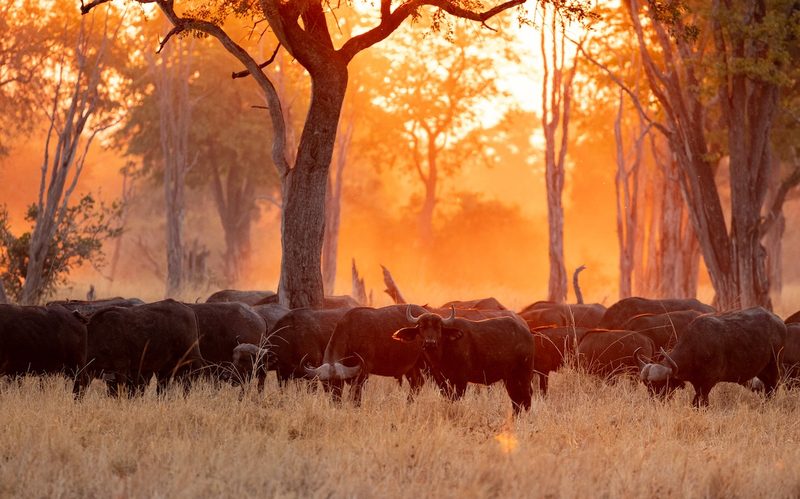
PHOTO CREDIT Biggestleaf Travel