
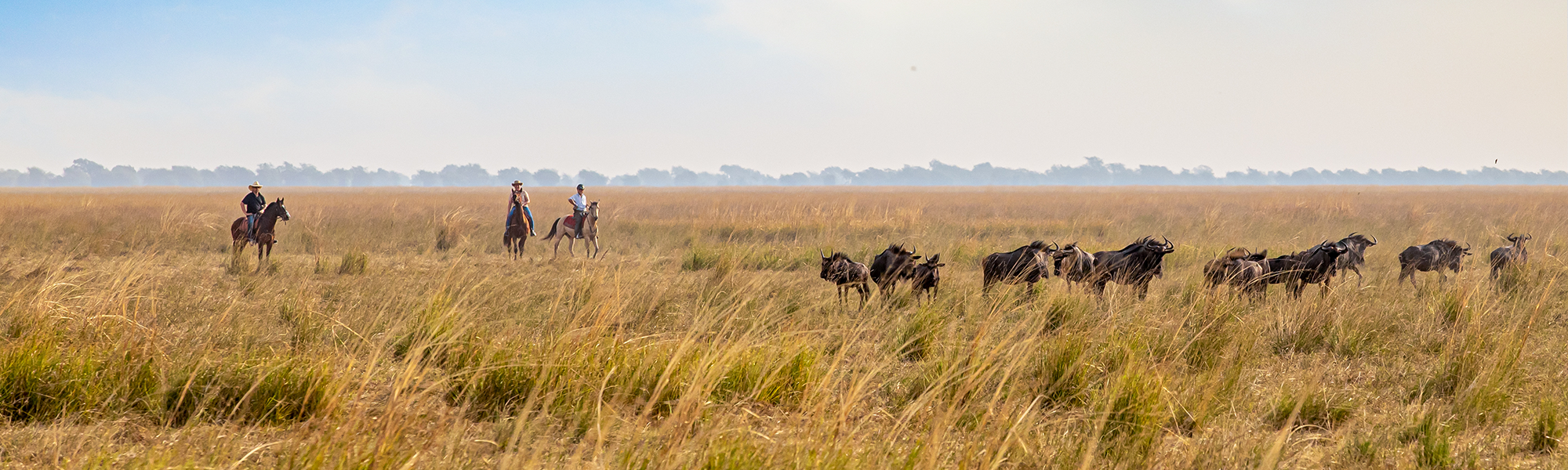
Meaning ‘come together’, Simalaha is an apt name for the community conservancy inspired and driven by the Sesheke and Sekhute chiefdoms. Bordering the Zambezi River on the Zambezi-Chobe floodplain, Simalaha is where wildlife and people come together and co-exist under one sky as they once did many years ago.
The vision of the Sesheke and Sekhute chiefs to rehabilitate and conserve the region has become a reality through a partnership with Peace Parks Foundation. The development of this wildlife conservancy and the implementation of viable natural resource management have been key in uplifting local communities, creating income-generating opportunities through nature-based economies and tourism opportunities.
Simalaha forms part of the world’s largest trans-frontier conservation area, the Kavango Zambezi Transformation Conservancy Area (KAZA) that spans five countries and 520 000km² / 323 113mi². The conservancy is fundamental to re-establishing wildlife populations and their migration routes through KAZA.
Wildebeest, zebra, red lechwe, puku, hartebeest, impala, waterbuck, giraffe, buffalo, eland and sable have been re-introduced to the plains. More and more wildlife can start to traverse old migration paths safely and elephants have been seen walking their historical timelines. The days when the flood plains were teeming with wildlife, the forests thick and the people benefiting from this rich environment, are once more slowly being realised.
MORE INFO
- Area: 180 000ha / 444 780ac of which 40 000ha / 9 900ac is a wildlife sanctuary
- Founded: 2012
- Province: Southern Zambia
- Co-ordinates: 17°31’27.3?S 24°57’35.9?E
Simalaha is open to horse safaris. This is a summer rainfall area, with short-lived but dramatic thunderstorms from November to April. May to September sees cooler temperatures, no rain and shorter grass but the heat does build up steeply in October, the hottest and driest month.
A 120km / 75mi drive takes you from Harry Mwanga Nkumbula International Airport in Livingstone to Simalaha.
There are no major predators in Simalaha but plains game and grazers are well represented.
Some notables to look out for are collared palm thrush, Dickinson’s kestrel and western banded snake eagle. Common species include spurwings, Egyptian geese and sacred and glossy ibises.
LATEST NEWS
 Zambia News
Behind the Scenes of 'Conservation Lower Zambezi'
Conservation Lower Zambezi (CLZ) has been working to conserve the ecosystem and wildlife of the Lower Zambezi National Park and surrounding Game Management…
 Zambia News
Zambia Is Open. Here's What Visitors Need To Know...
As you have most likely heard, Zambia is open and welcoming international tourists and business travellers. Here’s what you need to know if you are planning a…
 Zambia News
An Award-Winning Year for Tongabezi
While 2020 has certainly been a year for the books the world over (and not in the best way) there have been some much-needed good news stories in Zambia. For…
 Zambia News
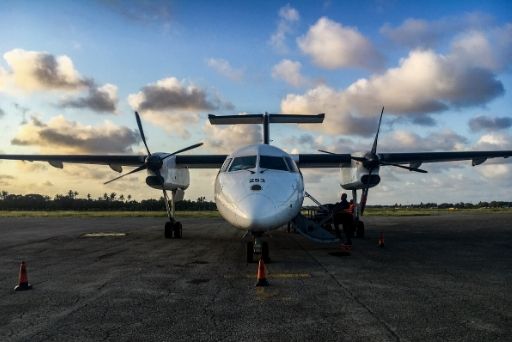
Zambia Reopens its Airports
Good news coming in from Zambia... Photo by Nils Nedel Zambian President Edgar Chagwa LUNGU has announced the reopening of all international airports which…