
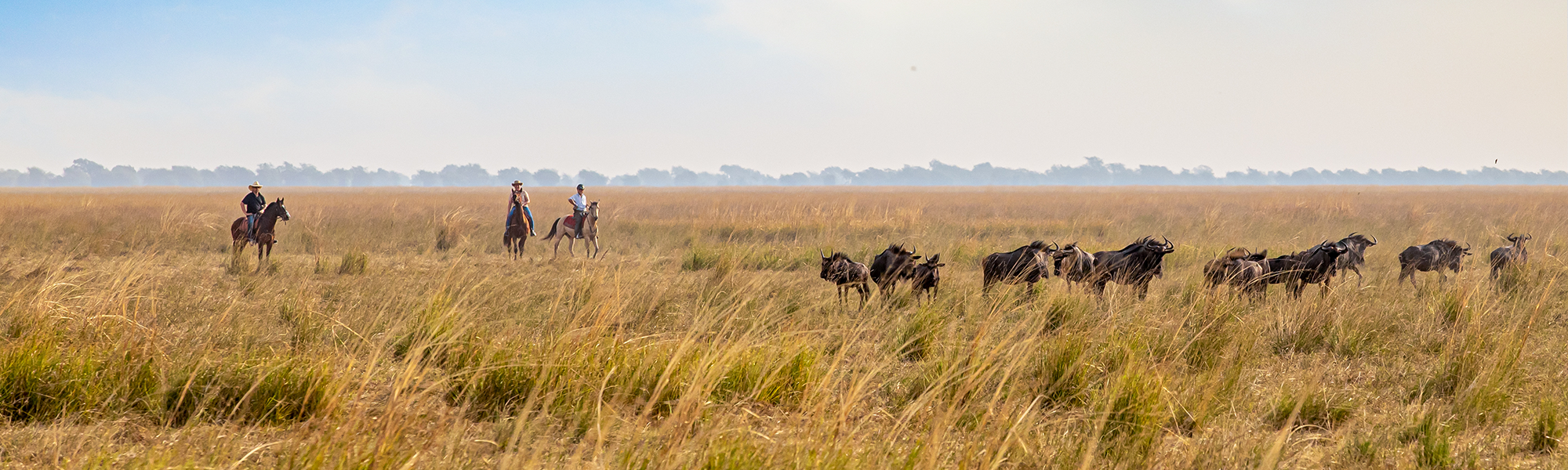
Meaning ‘come together’, Simalaha is an apt name for the community conservancy inspired and driven by the Sesheke and Sekhute chiefdoms. Bordering the Zambezi River on the Zambezi-Chobe floodplain, Simalaha is where wildlife and people come together and co-exist under one sky as they once did many years ago.
The vision of the Sesheke and Sekhute chiefs to rehabilitate and conserve the region has become a reality through a partnership with Peace Parks Foundation. The development of this wildlife conservancy and the implementation of viable natural resource management have been key in uplifting local communities, creating income-generating opportunities through nature-based economies and tourism opportunities.
Simalaha forms part of the world’s largest trans-frontier conservation area, the Kavango Zambezi Transformation Conservancy Area (KAZA) that spans five countries and 520 000km² / 323 113mi². The conservancy is fundamental to re-establishing wildlife populations and their migration routes through KAZA.
Wildebeest, zebra, red lechwe, puku, hartebeest, impala, waterbuck, giraffe, buffalo, eland and sable have been re-introduced to the plains. More and more wildlife can start to traverse old migration paths safely and elephants have been seen walking their historical timelines. The days when the flood plains were teeming with wildlife, the forests thick and the people benefiting from this rich environment, are once more slowly being realised.
MORE INFO
- Area: 180 000ha / 444 780ac of which 40 000ha / 9 900ac is a wildlife sanctuary
- Founded: 2012
- Province: Southern Zambia
- Co-ordinates: 17°31’27.3?S 24°57’35.9?E
Simalaha is open to horse safaris. This is a summer rainfall area, with short-lived but dramatic thunderstorms from November to April. May to September sees cooler temperatures, no rain and shorter grass but the heat does build up steeply in October, the hottest and driest month.
A 120km / 75mi drive takes you from Harry Mwanga Nkumbula International Airport in Livingstone to Simalaha.
There are no major predators in Simalaha but plains game and grazers are well represented.
Some notables to look out for are collared palm thrush, Dickinson’s kestrel and western banded snake eagle. Common species include spurwings, Egyptian geese and sacred and glossy ibises.
LATEST NEWS
 Zambia News
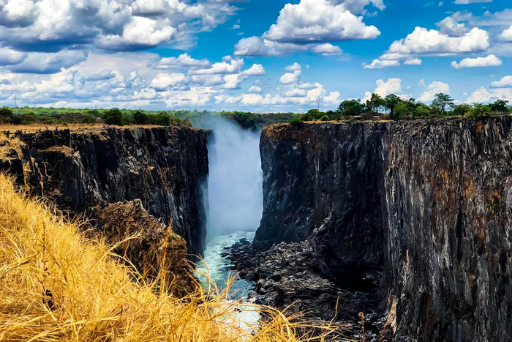
A Quick Travel Guide on How to Get to Livingstone from Lusaka
Written by: Marion Mithamo; Travel Content Creator www.scrapbookjourneys.com Is Livingstone, Zambia on your bucket list? The holidays are upon us & if you’re…
 Zambia News
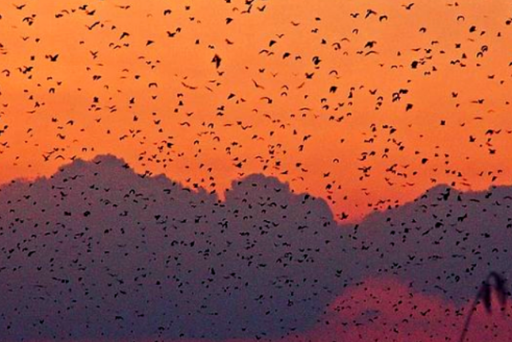
WATCH: Kasanka Bat Season Teaser 2020
Once a year, (between October and December) after having migrated for thousands of kilometers the arrival of about 10 million fruit bats takes place at the…
 Zambia News
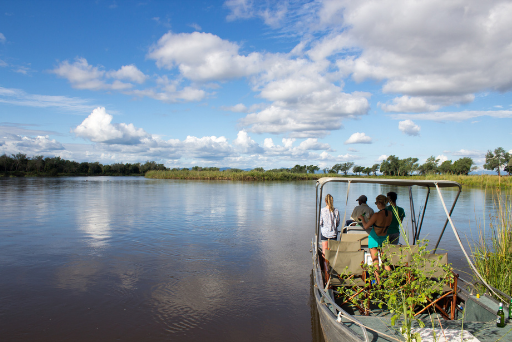
A Beginner's Guide To Tiger Fishing On The Lower Zambezi
The rod tugs. ‘Ah, must be caught on more reeds’, I think, as I gently loosen the line in preparation to untangle and bring it back in. The rod tugs again…
 Zambia News
Family Travel in Zambia
Writer: Mindy Roberts Photography: Time + Tide Sharing extraordinary travel experiences with your family is sometimes difficult. Photos and even video don’t do…